
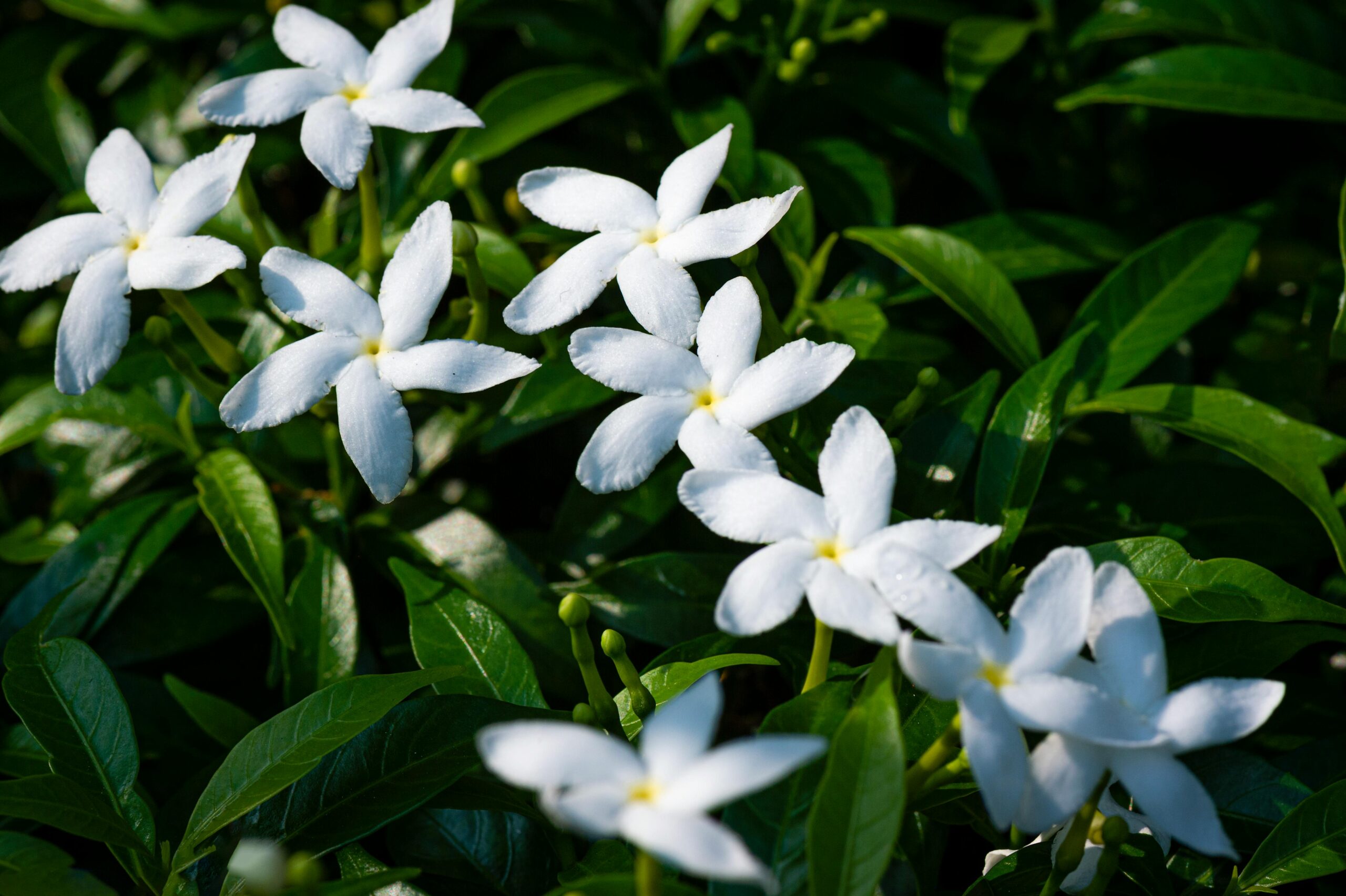
Bela, or Jasminum sambac, is often called the “Queen of Jasmine” for its intensely sweet fragrance and elegant white flowers. Native to South Asia, Bela holds immense cultural and religious significance, used in Hindu rituals, garlands, and ceremonial offerings. Its glossy green foliage and delicate, star-shaped flowers make it a prized ornamental shrub in gardens and balconies alike.
Unlike common garden jasmine, Bela blooms multiple times throughout the year under proper care, filling spaces with its enchanting scent. Beyond aesthetics and ritual use, Bela also attracts pollinators like bees and butterflies, enhancing biodiversity in your garden.
Season & Growth Habit
Bela is a perennial, evergreen shrub with a vining or bushy growth habit.
- Blooming season: Primarily summer and monsoon, though with regular care, it can flower year-round. Peak flowering often coincides with warmer, humid months.
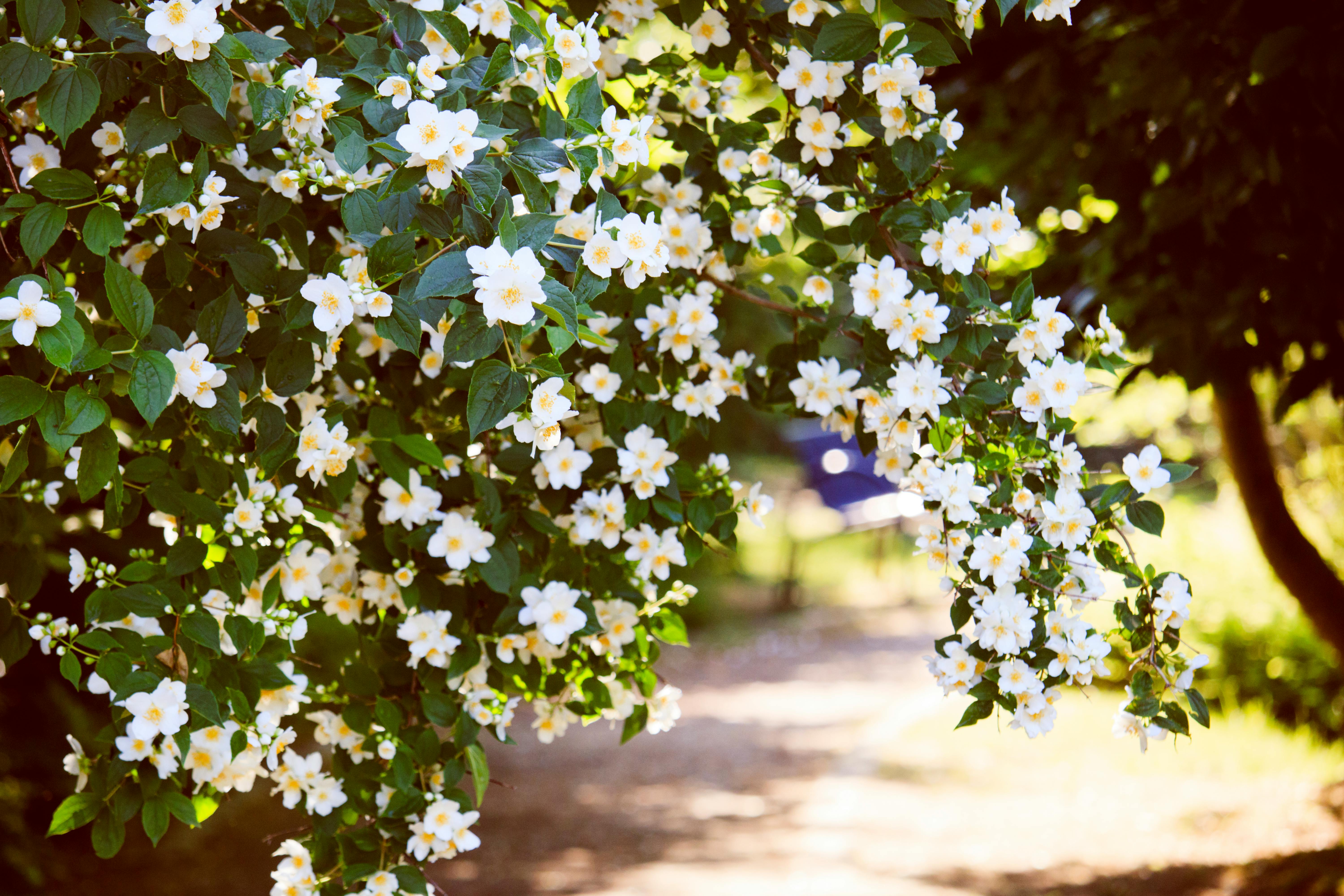
- Growth habit: Can be trained as a climber on trellises, fences, or arbors, or kept as a compact bush in pots. Its dense foliage provides privacy and shade in small spaces.
- Height: Typically grows 1–3 meters, but can be pruned to maintain smaller sizes for pots or garden beds.
The combination of beautiful foliage and fragrant blooms makes Bela ideal for courtyards, balconies, terraces, and formal gardens.
Soil Needs
Bela thrives in well-draining, fertile soil enriched with organic matter.
- Soil type: Loamy or sandy soil mixed with compost ensures adequate aeration. Avoid waterlogged soil, as this can damage roots.
- pH range: Slightly acidic to neutral (6.0–7.0).
- Talking Soil benefit: Using CocoWing Talking Soil naturally nourishes Bela, improving flower production, foliage density, and root health.
Good soil preparation ensures vigorous growth and repeated flowering throughout the year.
Light & Watering
Bela prefers full sun to partial shade.
- Sunlight requirement: At least 5–6 hours of direct sunlight daily encourages strong stems and continuous blooms. Partial shade is tolerated but may reduce flowering intensity.
- Watering: Keep the soil evenly moist, especially during the flowering period. Reduce watering slightly in winter.
- Overwatering signs: Yellowing leaves or root rot.
- Mulching: Apply organic mulch around the base to retain moisture, moderate soil temperature, and suppress weeds.
Maintenance & Care
Bela requires regular maintenance to keep it healthy and blooming:
- Pruning: After flowering, prune long, leggy stems to maintain shape, encourage branching, and increase flower density. Remove dead or damaged stems promptly.
- Fertilization: Apply CocoWing Talking Soil or organic fertilizers every 4–6 weeks during active growth. Nitrogen-rich feed encourages healthy foliage, while phosphorus promotes flowers.
- Training: When grown as a climber, tie stems gently to trellises or supports.
- Pest monitoring: Keep an eye out for pests and fungal infections to maintain plant health.
Proper care ensures year-round fragrance and lush greenery.
Propagation
Bela can be propagated through:
- Stem cuttings: Semi-hardwood cuttings root readily in moist soil.
- Layering: Ground layering produces mature, flowering plants more quickly.
- Seeds: Less commonly used as it takes longer for seedlings to bloom.
Propagation via stem cuttings is the most reliable and commonly used method for gardeners.
Pests & Problems
While hardy, Bela may encounter:
- Aphids and mealybugs: Feed on new growth; neem oil or insecticidal soap controls infestations.
- Leaf spot or powdery mildew: Occurs in humid conditions; ensure good air circulation.
- Root rot: Caused by poor drainage or overwatering.
Regular pruning, proper spacing, and the use of CocoWing Talking Soil prevent most issues.
Uses & Benefits
- Ornamental: Ideal for gardens, balconies, courtyards, and terrace pots.
- Fragrance: Intensely aromatic flowers are perfect for garlands, perfumes, and spiritual rituals.
- Pollinator-friendly: Attracts bees, butterflies, and other beneficial insects.
- Cultural significance: Widely used in Hindu rituals, meditation spaces, and decorative arrangements.
- Medicinal value: Traditionally used in Ayurveda for its calming and anti-inflammatory properties (flowers and leaves).
Bela’s versatility makes it a garden star, combining fragrance, beauty, and ecological benefits.
Talking Soil Tip
Mix CocoWing Talking Soil into the planting bed or potting mix for natural, slow-release nutrients. Top-dress monthly to promote lush foliage, continuous flowering, and strong root development.