
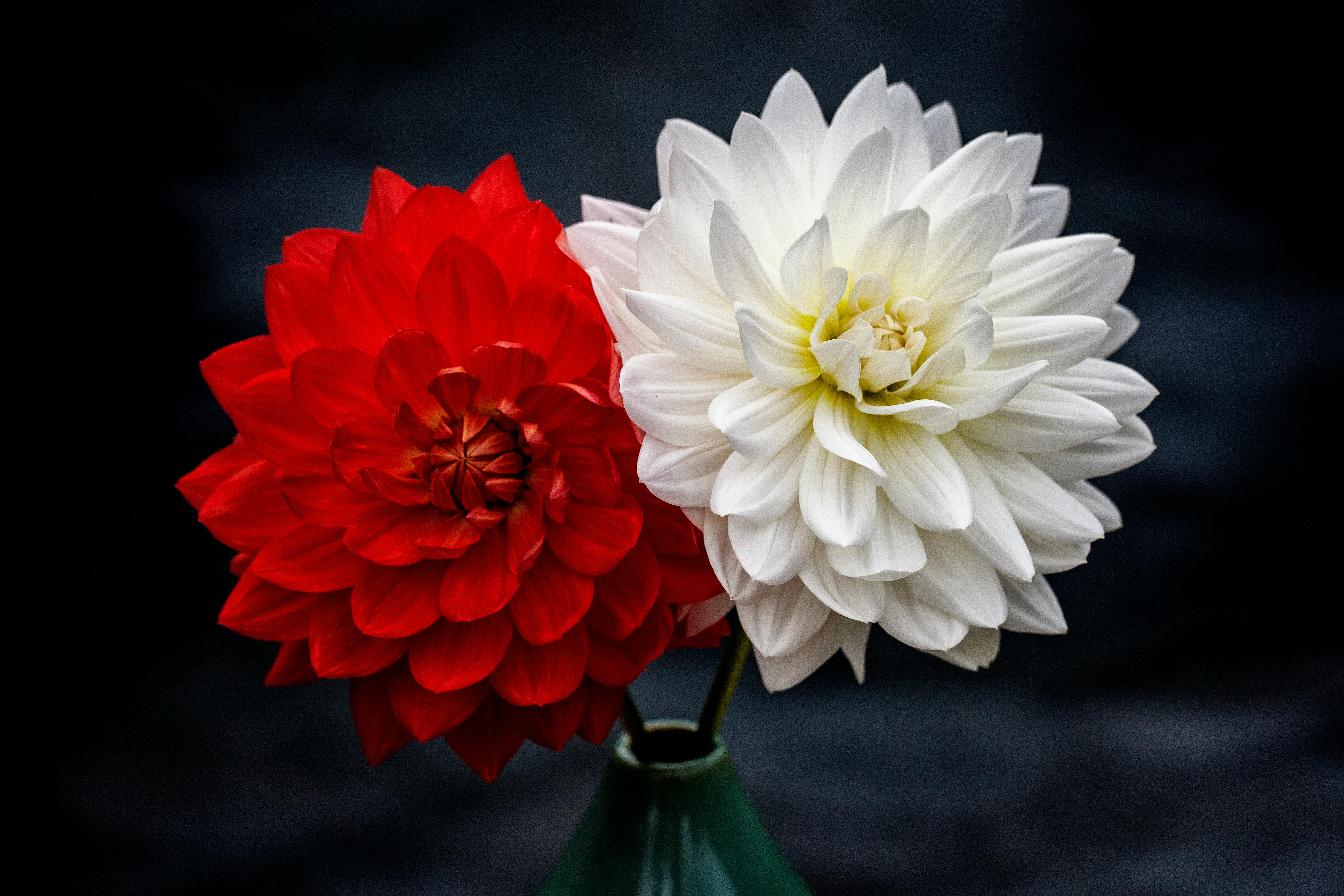
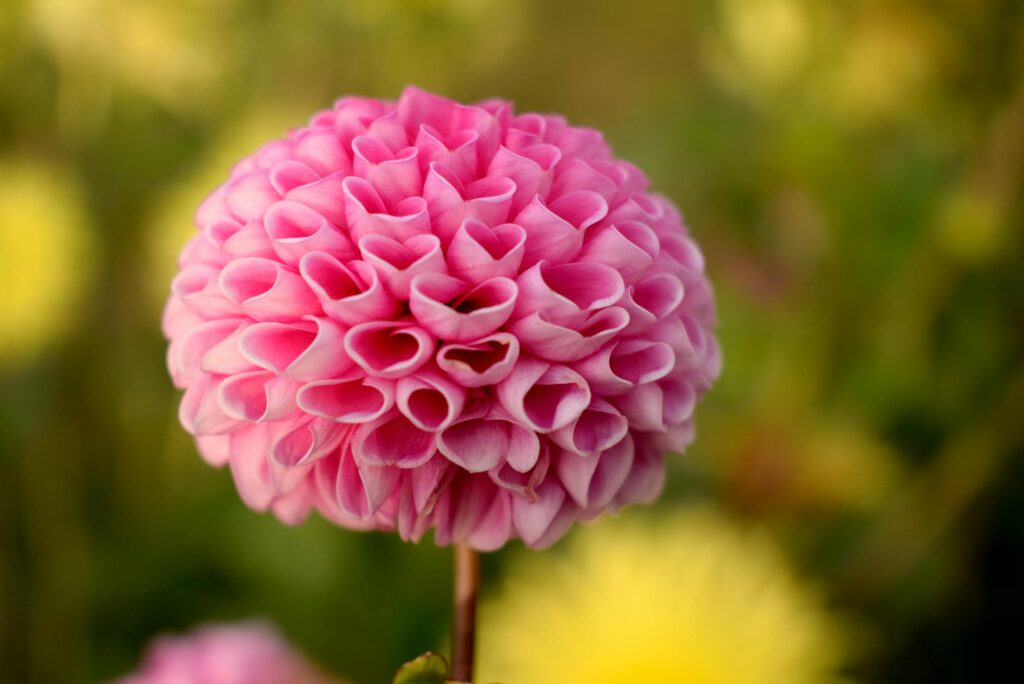
Dahlias are the divas of the flower world — bold, dramatic, and absolutely breathtaking when in full bloom. With over 42 recognized species and thousands of hybrids, they offer nearly every color imaginable (except blue!). Known as the “Queen of the Autumn Garden”, dahlias are grown for their massive flowers that can be as small as a ping-pong ball or as large as a dinner plate.
Growing dahlias may seem intimidating, but with the right soil preparation, sunlight, and a bit of care — plus the organic boost of CocoWing Talking Soil — you can enjoy show-stopping blooms from mid-summer to late autumn.
🌸 Best Season for Dahlias
- Planting Season: Late winter to early spring (tubers go in after frost).
- Blooming Season: Mid-summer through early winter.
- In India, dahlias bloom best from November to February.
🌳 Type of Plant
Dahlia is a tuberous-rooted perennial (in frost-free areas) but is often grown as an annual in colder regions where tubers are lifted and stored each year.
🌍 Soil Needs – Talking Soil Tip
Dahlias need loose, well-drained, humus-rich soil with a pH between 6.0–7.5.
- Heavy clay soils cause rot — amend with sand and compost.
- Soil should be fertile but not too nitrogen-rich (or you’ll get leaves, not flowers).
Ideal Soil Mix for Pots/Beds:
- 40% garden soil
- 30% cocopeat or sandy loam
- 20% well-rotted compost
- 10% CocoWing Talking Soil for microbial balance and nutrient release
💡 Talking Soil helps dahlias build strong roots and produce more buds, leading to bigger, more colorful flowers.
☀️ Light Requirements
Dahlias are sun-loving plants and require at least 6–8 hours of direct sunlight daily for maximum flowering.
- Less light → fewer blooms and weaker stems.
💧 Watering
- During Growth: Keep soil consistently moist but not soggy.
- Once Buds Appear: Water deeply 2–3 times per week.
- Signs of Overwatering: Soft tubers, mold on soil.
- Signs of Underwatering: Droopy leaves, small or deformed flowers.
💡 Tip: Always water at the base to avoid wetting the foliage and prevent fungal diseases.
🪴 Best Pots & Beds
Dahlias thrive in:
- Raised garden beds with good drainage.
- Large pots (16–20 inch wide) — choose dwarf or compact varieties for containers.
🌿 Propagation
- Tubers: The most common method. Each tuber must have at least one “eye” (growth bud).
- Cuttings: Taken from young shoots in early spring.
- Seeds: For smaller bedding varieties but not preferred for hybrids (won’t be true to type).
✂️ Special Care & Maintenance
- Staking: Tall varieties need bamboo stakes or support frames.
- Pinching: Pinch the main shoot when the plant is about 30 cm tall to encourage bushiness.
- Deadheading: Remove spent flowers to promote continuous blooming.
- Feeding: Use a low-nitrogen, high-potassium fertilizer every 3–4 weeks.
💡 After flowering, lift and store tubers in a cool, dry place until the next season if you’re in a frost-prone area.
🌼 Uses & Benefits
- Garden Showpiece: Perfect for flower beds, borders, and cut-flower arrangements.
- Pollinator Friendly: Attracts bees, butterflies, and beneficial insects.
- Long Blooming Period: Keeps your garden colorful for months.
🐛 Pests & Diseases
Common issues with dahlias:
- Aphids & Thrips: Cause distorted leaves — control with neem oil spray.
- Powdery Mildew: White coating on leaves — improve air circulation.
- Snails & Slugs: Eat tender shoots — use organic slug bait or copper tape.
- Tubers Rotting: Avoid waterlogging and store tubers properly.
🌱 Talking Soil Final Tip
Incorporate CocoWing Talking Soil during planting and again as a top-dress midway through the growing season. This sustains soil fertility, reduces chemical dependence, and ensures healthy, abundant blooms.