
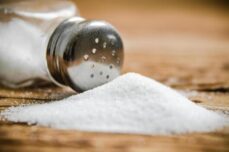
Table salt is mainly Sodium Chloride (NaCl).
Plants need nutrients like:
Nitrogen, Phosphorus, Potassium, Calcium, Magnesium, micronutrients.
👉 Sodium is NOT an essential nutrient for most plants.
In small amounts some coastal / salt-tolerant plants handle it — but most garden plants don’t need it.
🌿 What salt does to soil
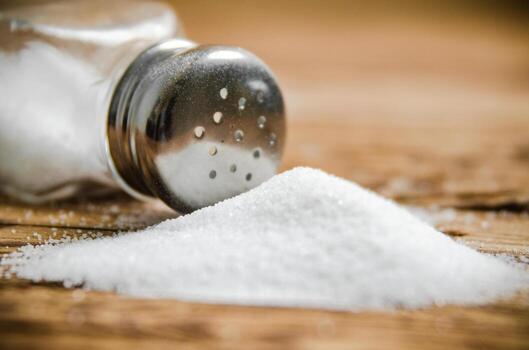
Regular use of salt can:
• Pull water away from plant roots (osmotic stress)
• Kill beneficial soil microbes
• Make soil compact and hard
• Increase soil salinity → roots struggle to absorb nutrients
• Slowly lead to plant stress, yellowing, drying
In simple words:
Salt makes soil tired.
🌴 Plants that can tolerate some salt
Only a few salt-tolerant species manage it:
• Coconut
• Some palms
• Mangroves
• Certain coastal grasses
• A few halophyte plants
Even here — quantity and soil conditions matter.
🌺 Plants that should NOT get salt
Most home garden plants fall here:
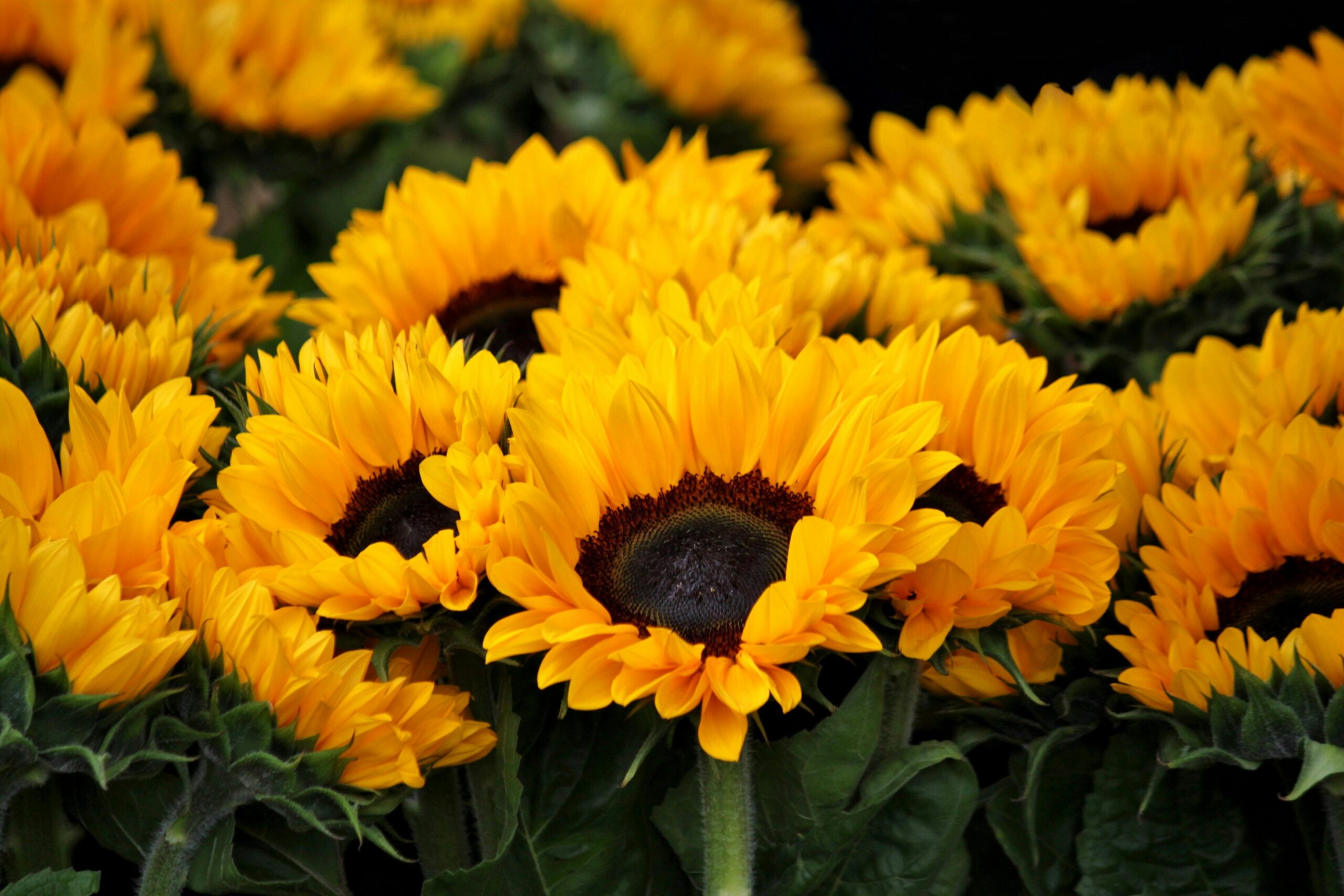
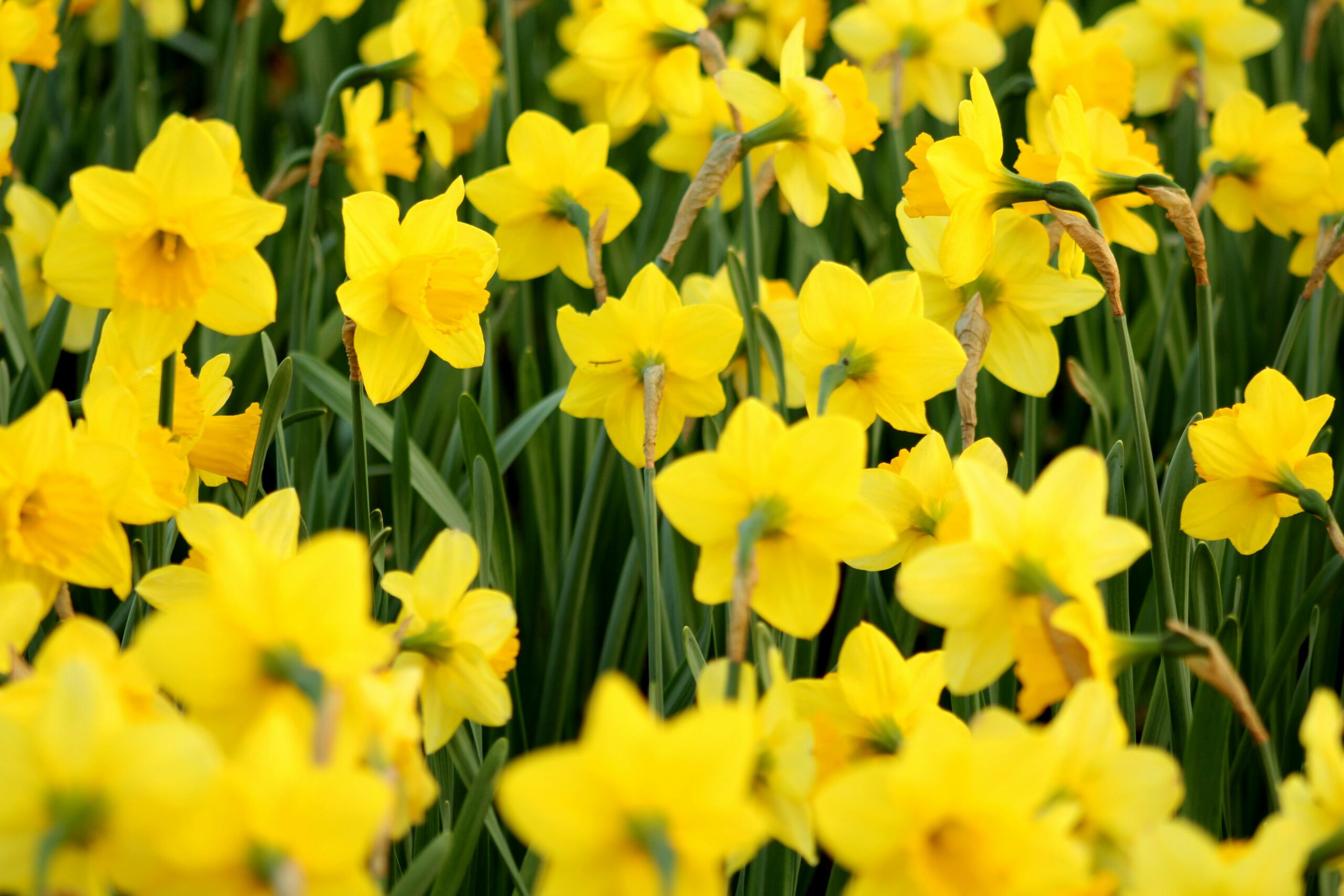
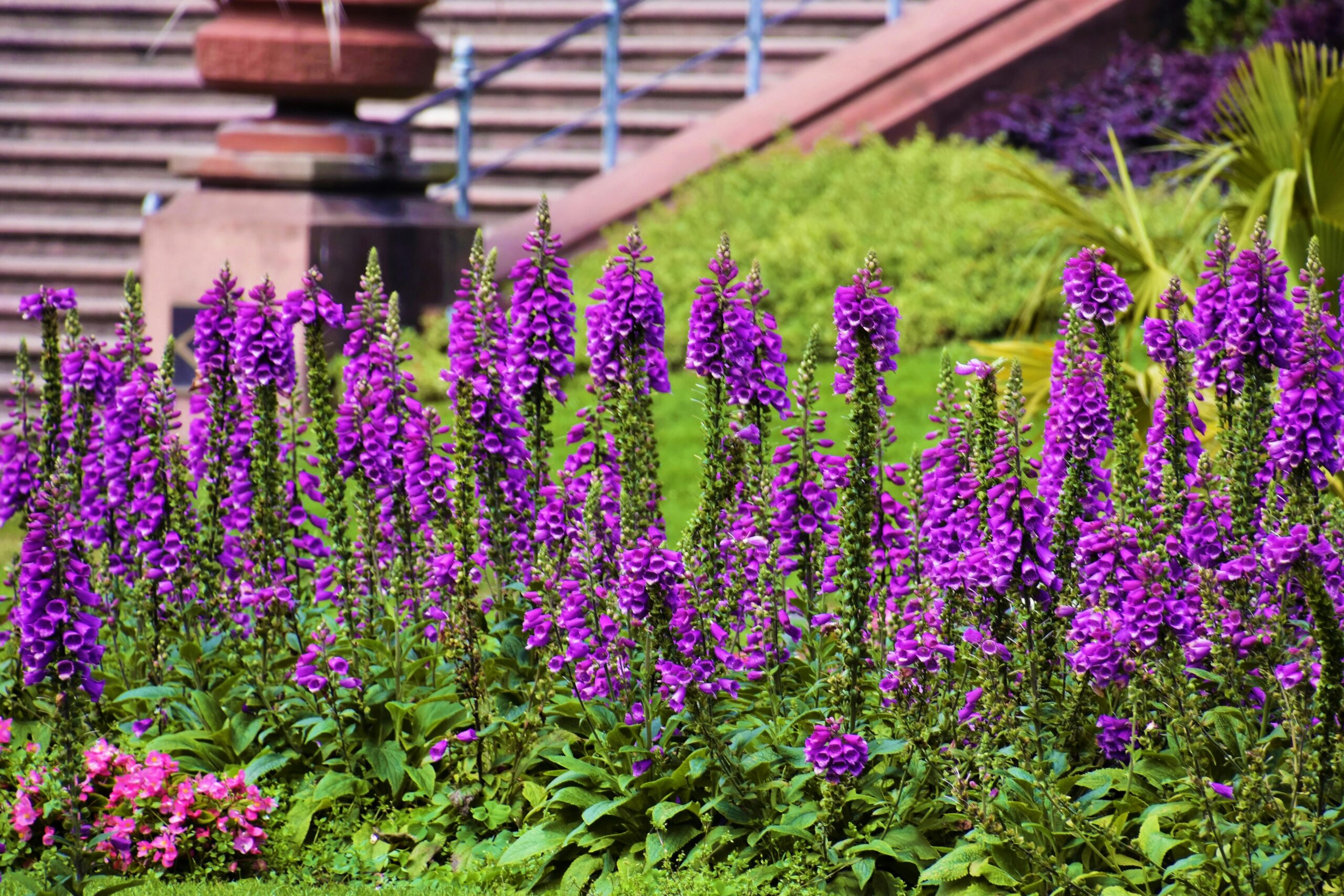
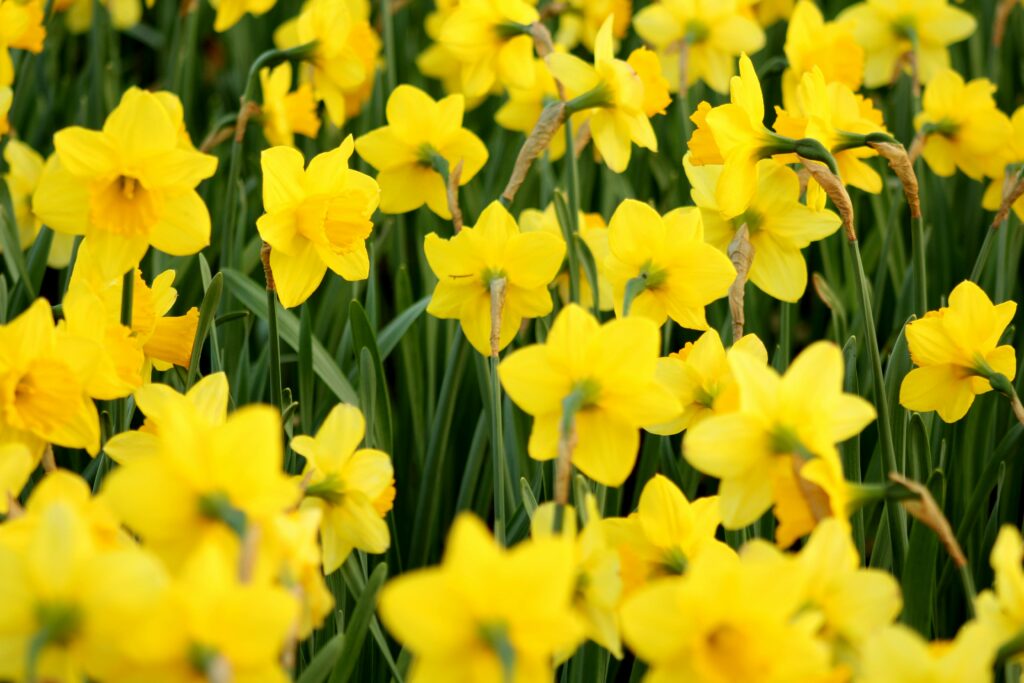
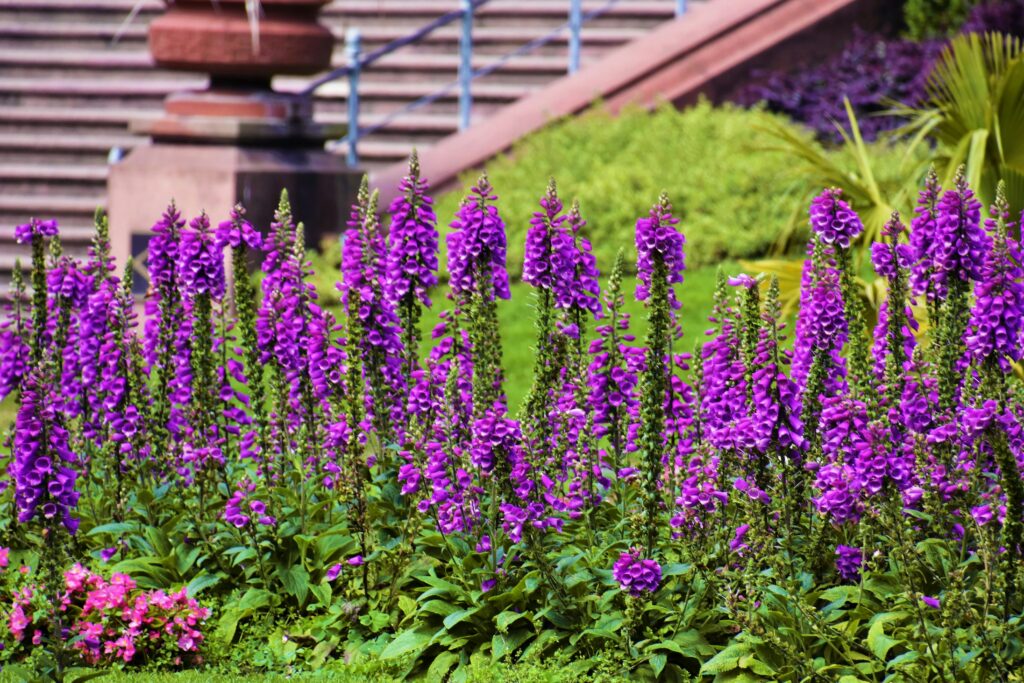
• Flowering plants (rose, hibiscus, jasmine, bougainvillea)
• Vegetables (tomato, chilli, spinach, methi, coriander)
• Fruit plants (mango, papaya, lemon)
• Indoor plants
• Seedlings and young plants
Salt can stunt growth instead of boosting blooms.
🌸 Does salt increase flowering?
Short answer: No — not in a healthy way.
Sometimes stress triggers temporary flowering as a survival response.
That’s not growth — that’s panic.
True flowering depends on:
• Balanced nutrition
• Sunlight
• Root health
• Soil microbes
• Water consistency
Salt provides none of these.
🌿 What we should remember before trying viral hacks
• Plants respond to systems, not shortcuts
• What works in one soil may fail in another
• Stress signals can look like success initially
• Soil health decides long-term flowering
• Quick hacks often create slow damage
At CocoWing EcoFlora, we believe:
🌱 Blooming is a result of soil health, not kitchen experiments.
Because real growth is quiet, consistent and rooted.