

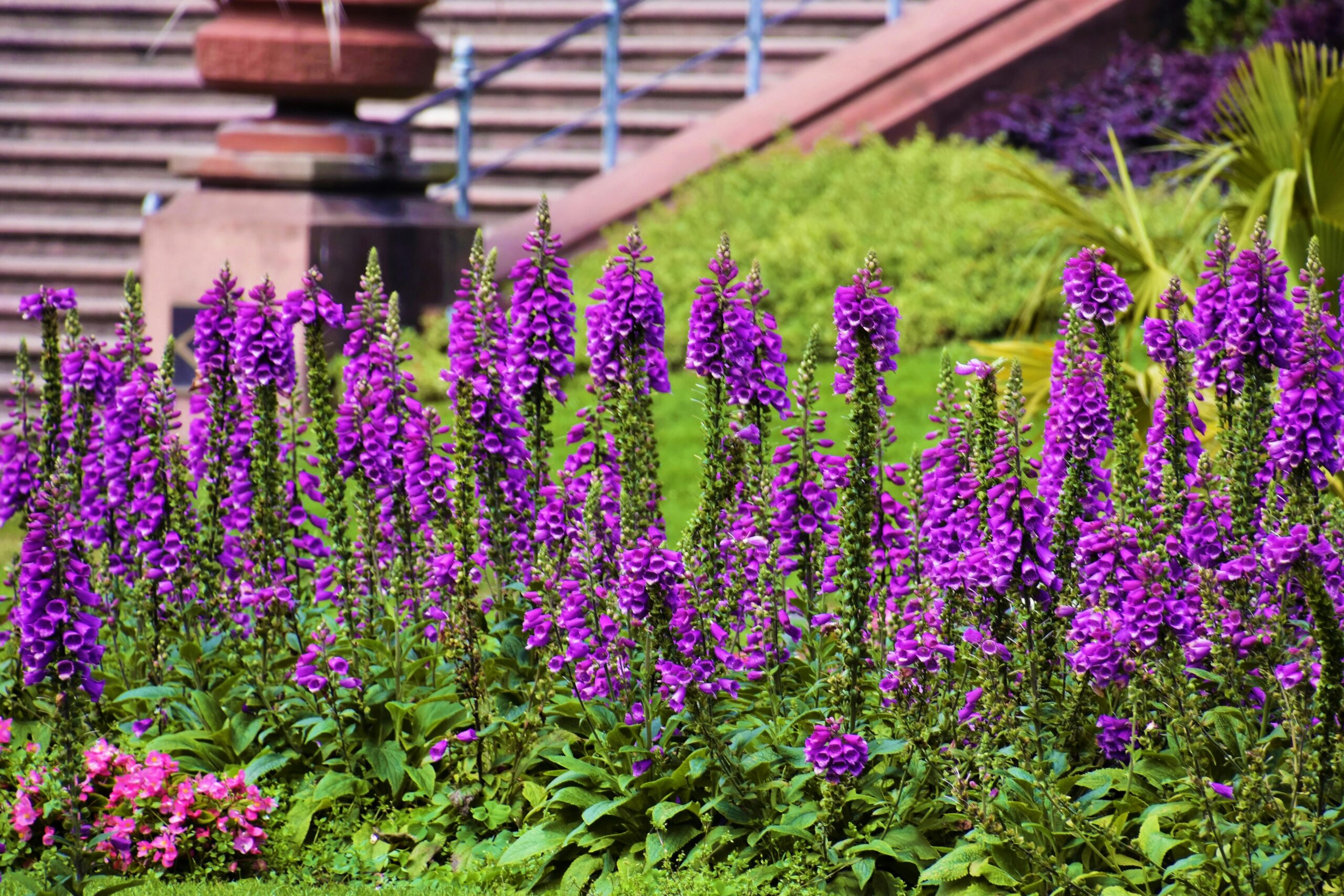
There’s a reason foxgloves have been a favorite of cottage gardeners for centuries — they bring drama, romance, and pollinator activity to any corner of the yard. Known botanically as Digitalis purpurea, these towering spires of bell-shaped blooms rise gracefully above other plants, drawing the eye and creating vertical interest. Their speckled throats seem painted by hand, and if you watch closely, you’ll see bees completely disappear into the flowers as they forage.
Foxgloves carry a rich history too — they were used as a source of the heart medicine digitalis, giving them an almost mystical reputation. But while they are stunning, they are also toxic if eaten, so it’s important to plant them in safe areas away from curious pets and small children.
🌸 Season & Growth Habit
Foxgloves are biennials, which means their life cycle spans two years. In their first year, they produce a basal rosette — a cluster of soft, downy leaves that hug the soil. This stage is crucial because the plant is storing energy for the following year. In the second year, foxgloves send up their iconic flower spikes, which can reach up to 5–6 feet tall depending on the variety and soil quality.
The bloom season typically runs from late spring to mid-summer, creating a vertical cascade of color just when many other plants are still catching up. After flowering, plants will often self-seed, ensuring that a new generation of foxgloves continues the display in the following years — a gardener’s secret to a “perpetual” foxglove patch.
🌍 Soil & Planting
Foxgloves are woodland-edge plants by nature, so they prefer moist, humus-rich, slightly acidic soil that mimics forest conditions. Digging in compost or leaf mold before planting makes a big difference, as it improves drainage while holding just enough moisture.
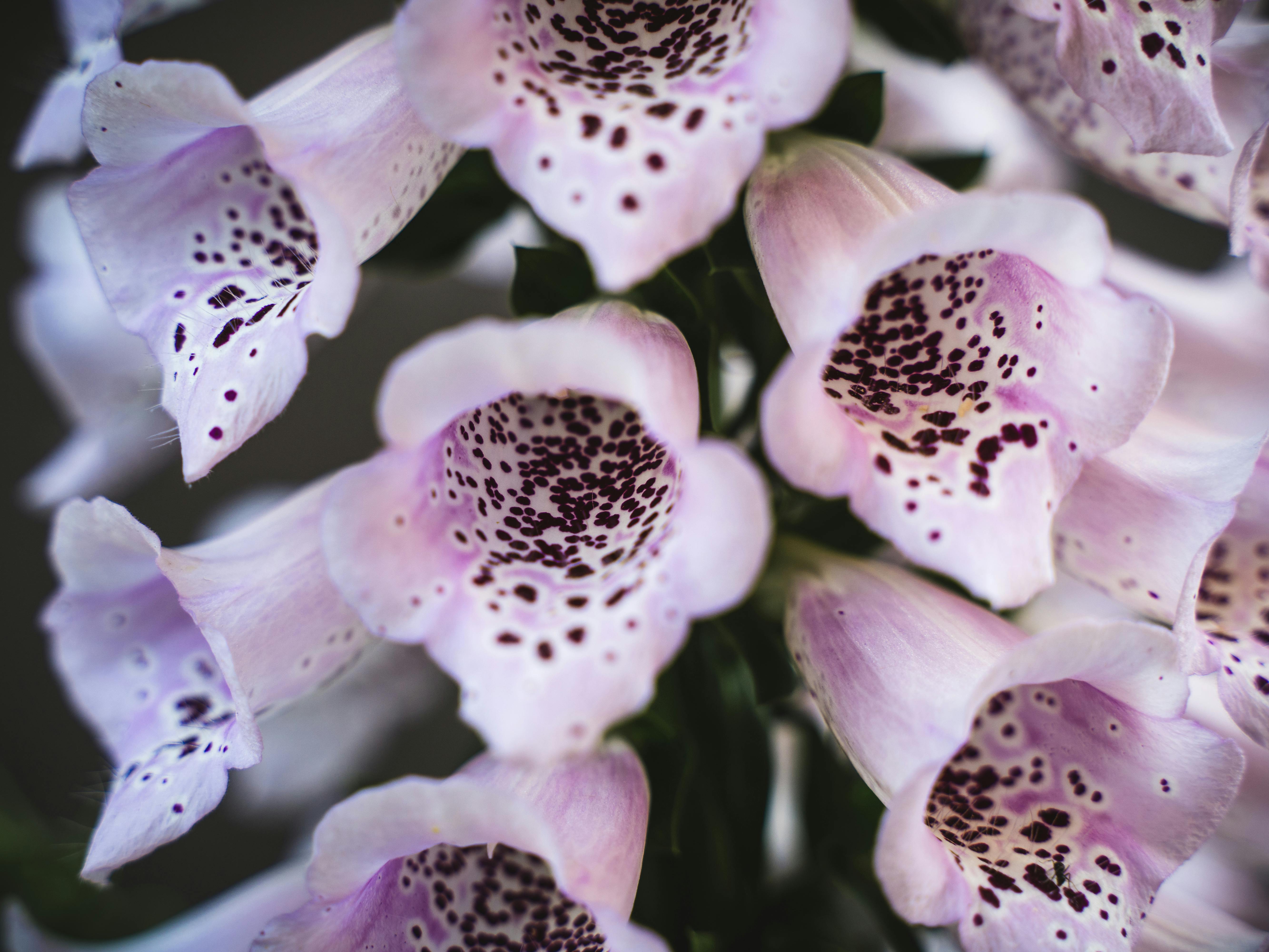
When planting, give each foxglove 12–18 inches of space. Crowded plants are more susceptible to fungal diseases like leaf spot. If you are creating a naturalistic planting, try grouping them in drifts of three or five — this creates a breathtaking display of spires swaying together in the breeze.
Adding CocoWing Talking Soil during planting provides organic nutrients that slowly release over time, helping young rosettes establish strong root systems without overfeeding, which could cause leggy growth.
☀️ Sunlight & Watering
Foxgloves thrive in partial shade, where they receive morning sunlight and afternoon shade — perfect under tall trees or along north-facing borders. In cooler regions, they tolerate full sun as long as the soil remains moist.
Water regularly during the rosette stage, as consistent moisture ensures a strong flower spike the following year. However, avoid waterlogging the soil. Mulching with shredded leaves or bark is highly beneficial — it keeps roots cool, retains moisture, and suppresses weeds. Water at soil level, not overhead, to prevent fungal leaf spots from developing.
✂️ Maintenance & Pruning
Deadheading foxgloves after they finish flowering is a key task for prolonging the display. Cut back the main flower spike to the base as soon as it fades — this often encourages side shoots to produce smaller secondary spikes, extending the season.
If you want foxgloves to self-seed, leave a few spikes in place until the seed pods ripen and turn brown. Once the seeds have dropped, cut the spike down to tidy the plant. In late autumn, clear away dead leaves to improve air circulation and reduce overwintering pests.
Feeding with CocoWing Talking Soil in early spring gives the plants an organic boost, helping them produce lush, green rosettes that lead to taller and fuller flower spikes.
🌱 Propagation
Foxglove propagation is easiest from seeds. Direct sow in late summer where you want them to flower the following year, or start seeds indoors and transplant the seedlings. The tiny seeds need light to germinate, so do not bury them deeply — just press them gently into the surface of moist soil.
To create a consistent annual display, sow a new batch of seeds every summer. This overlapping schedule ensures that while one generation is flowering, another is growing in its rosette stage, ready to bloom the next year.
🐛 Pests & Problems
Foxgloves are generally low-maintenance, but watch out for aphids on the flower spikes and slugs or snails on young rosettes. Good airflow around plants helps prevent fungal diseases like rust and powdery mildew. If leaf spot occurs, remove affected foliage promptly and avoid overhead watering.
🌼 Benefits & Uses
Foxgloves are the perfect vertical accents for borders, wildlife gardens, and woodland edges. Their nectar-rich flowers are pollinator magnets — especially for bumblebees, which play a vital role in pollinating many other plants in your garden.
They also hold symbolic value, representing creativity, confidence, and energy. In cottage gardens, they pair beautifully with delphiniums, hollyhocks, and roses, creating a romantic layered effect.
🌱 Talking Soil Tip
Apply CocoWing Talking Soil every spring around the base of the rosettes. Its balanced organic nutrition promotes strong root growth, keeps foliage healthy, and ensures the following year’s flower spikes are tall and well-filled with blooms.