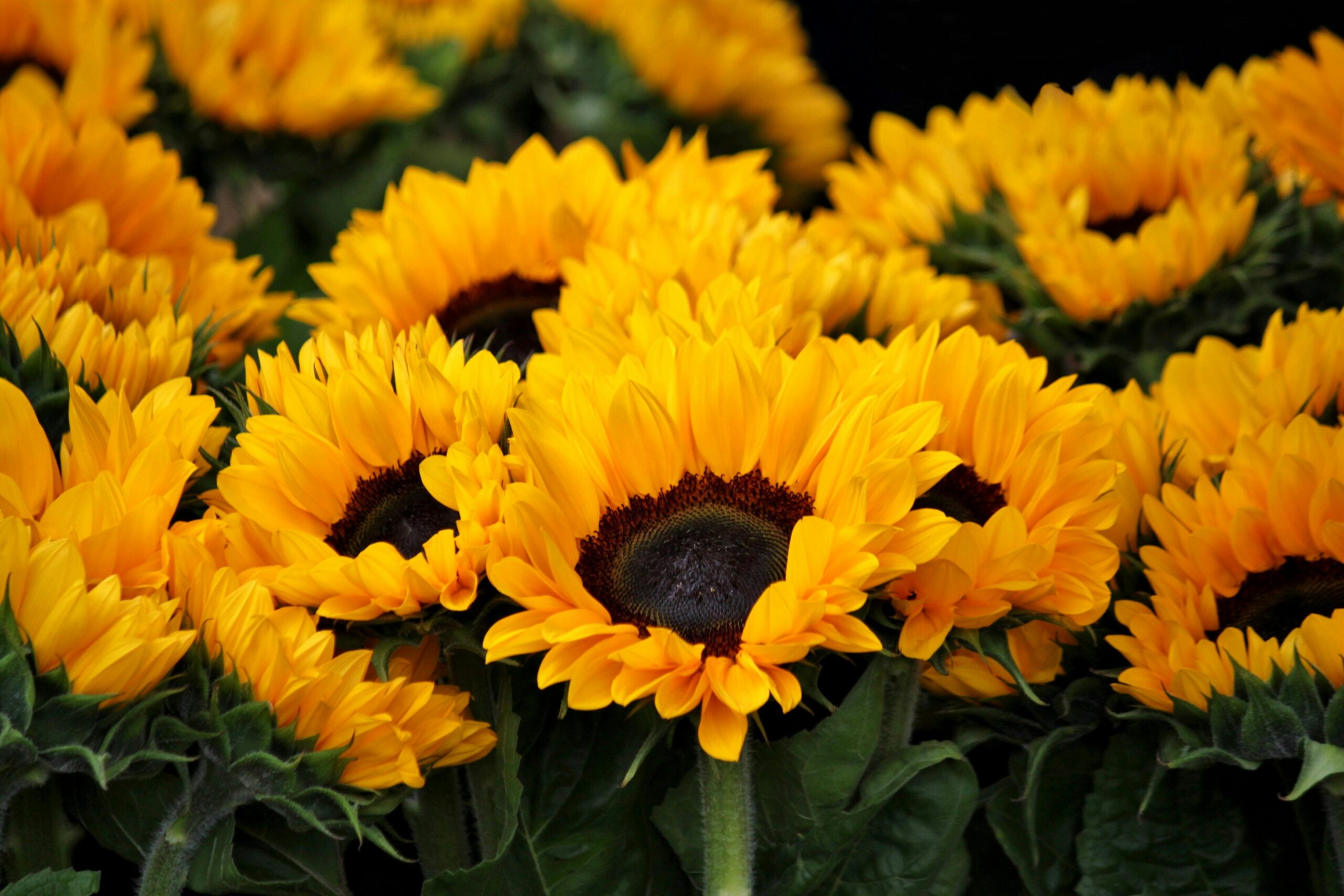

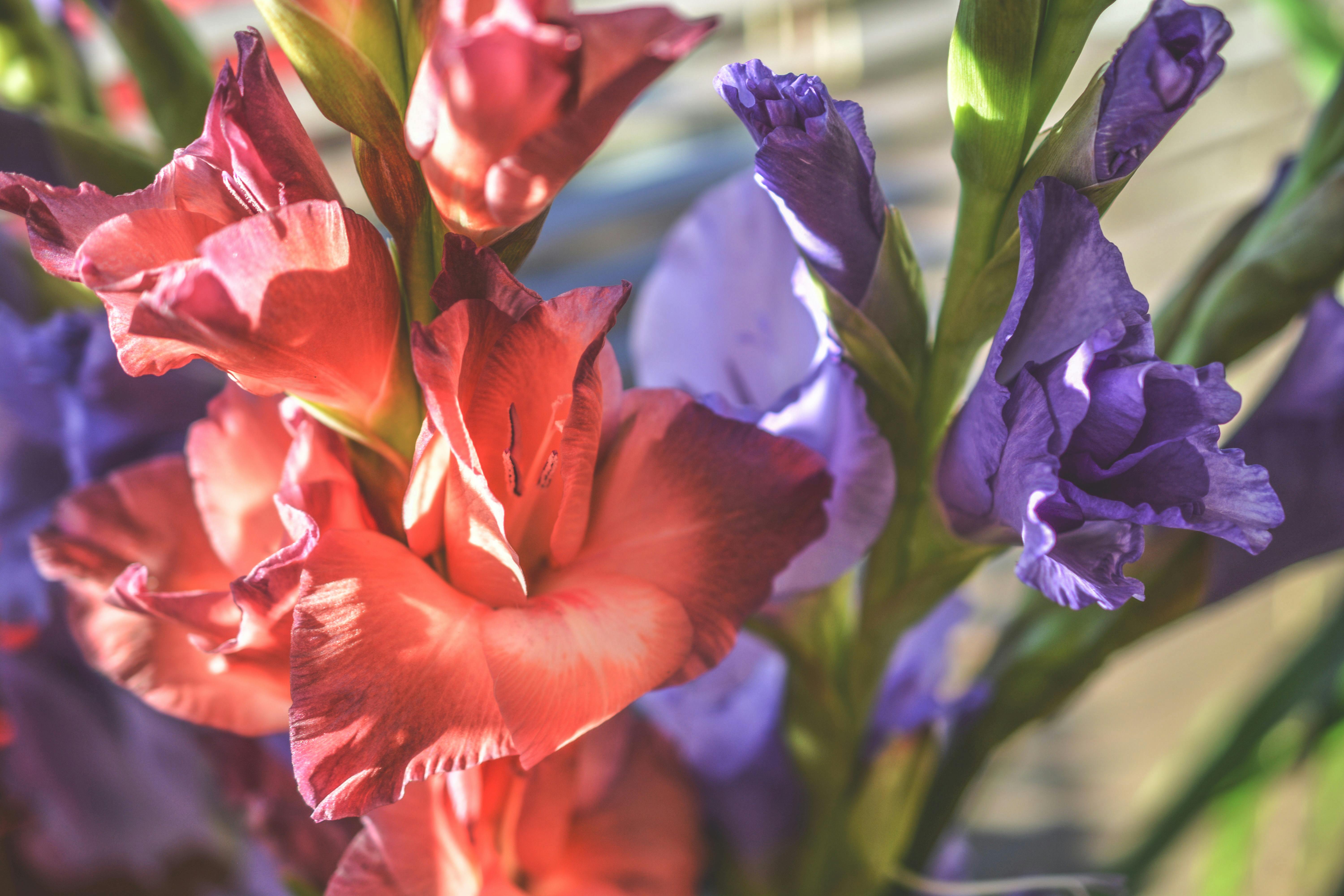
Known as the “Sword Lily” because of its tall, blade-like leaves, Gladiolus (ग्लैडियोलस) is one of the most graceful flowers you can grow. Famous for its stunning vertical flower spikes and wide color palette — from soft pastels to fiery reds — gladiolus adds drama and height to flower beds, borders, and even cut-flower arrangements.
Gladiolus is surprisingly easy to grow from corms (bulb-like storage structures) and offers repeat blooms if properly cared for. With the right soil preparation, sunlight, and CocoWing Talking Soil, you can enjoy these floral spears all season long.
🌸 Best Season for Gladiolus
- Planting Season: Late winter to early spring in most parts of India (October–January in warmer regions).
- Blooming Season: Flower spikes appear 80–100 days after planting, lasting from January to April (or longer with staggered planting).
🌳 Type of Plant
Gladiolus is a tender perennial grown from corms. In frost-prone areas, corms are lifted and stored after flowering.
🌍 Soil Needs – Talking Soil Tip
Gladiolus prefers well-drained, sandy loam soil with a pH of 6.0–7.0.
- Poorly drained soil causes corm rot.
- Soil should be rich in organic matter but not too heavy.
Ideal Soil Mix:
- 40% garden soil
- 30% coarse sand (for drainage)
- 20% compost
- 10% CocoWing Talking Soil to enrich nutrients and boost root growth
💡 Talking Soil provides slow-release nutrition, encourages strong corm development, and improves spike length and flower count.
☀️ Light Requirements
Gladiolus loves full sun — at least 6–7 hours of direct sunlight daily is essential for strong, straight spikes.
- In partial shade, plants grow leggy and produce fewer flowers.
💧 Watering
- Water immediately after planting.
- Keep soil evenly moist during sprouting and flowering.
- Reduce watering after flowering to allow corms to mature.
Signs to Watch:
- Underwatering: Curled, dry leaves, small or fewer flowers.
- Overwatering: Yellow leaves, corm rot, fungal growth in soil.
💡 Water at the base early in the morning to prevent fungal diseases.
🪴 Best Pots & Beds
- Gladiolus looks best in garden beds or borders planted in rows.
- For pots, use at least a 12–14 inch deep container with free-draining soil.
- Plant corms in groups of 10–12 for maximum visual impact.
🌿 Propagation
- Corms: The primary method — plant corms 4–6 inches deep, 6 inches apart.
- Cormels (baby corms): Can be grown to full size in 1–2 seasons.
✂️ Special Care & Maintenance
- Staking: Support tall spikes with bamboo stakes or netting to prevent flopping.
- Deadheading: Remove spent flowers but leave foliage to photosynthesize and feed the corm.
- Feeding: Fertilize with balanced NPK (10:10:10) every 3–4 weeks. Reduce nitrogen after sprouting to avoid leafy growth.
- Post-Flowering: Once leaves turn yellow, lift corms, clean them, and store in a cool, dry place for next season.
🌼 Uses & Benefits
- Cut Flowers: Long-lasting in vases — a florist’s favorite.
- Garden Borders: Adds vertical drama and color to beds.
- Symbolism: Represents strength, moral integrity, and remembrance.
🐛 Pests & Diseases
- Thrips: Cause streaking and deformities — control with neem oil or insecticidal soap.
- Aphids: Transmit viruses — wash off with water spray.
- Corm Rot: Avoid waterlogging, rotate planting beds yearly.
🌱 Talking Soil Final Tip
Mix CocoWing Talking Soil into the bed at planting time and again as a top dressing midway through the season. This keeps corms healthy, produces taller spikes, and ensures rich, vibrant colors.