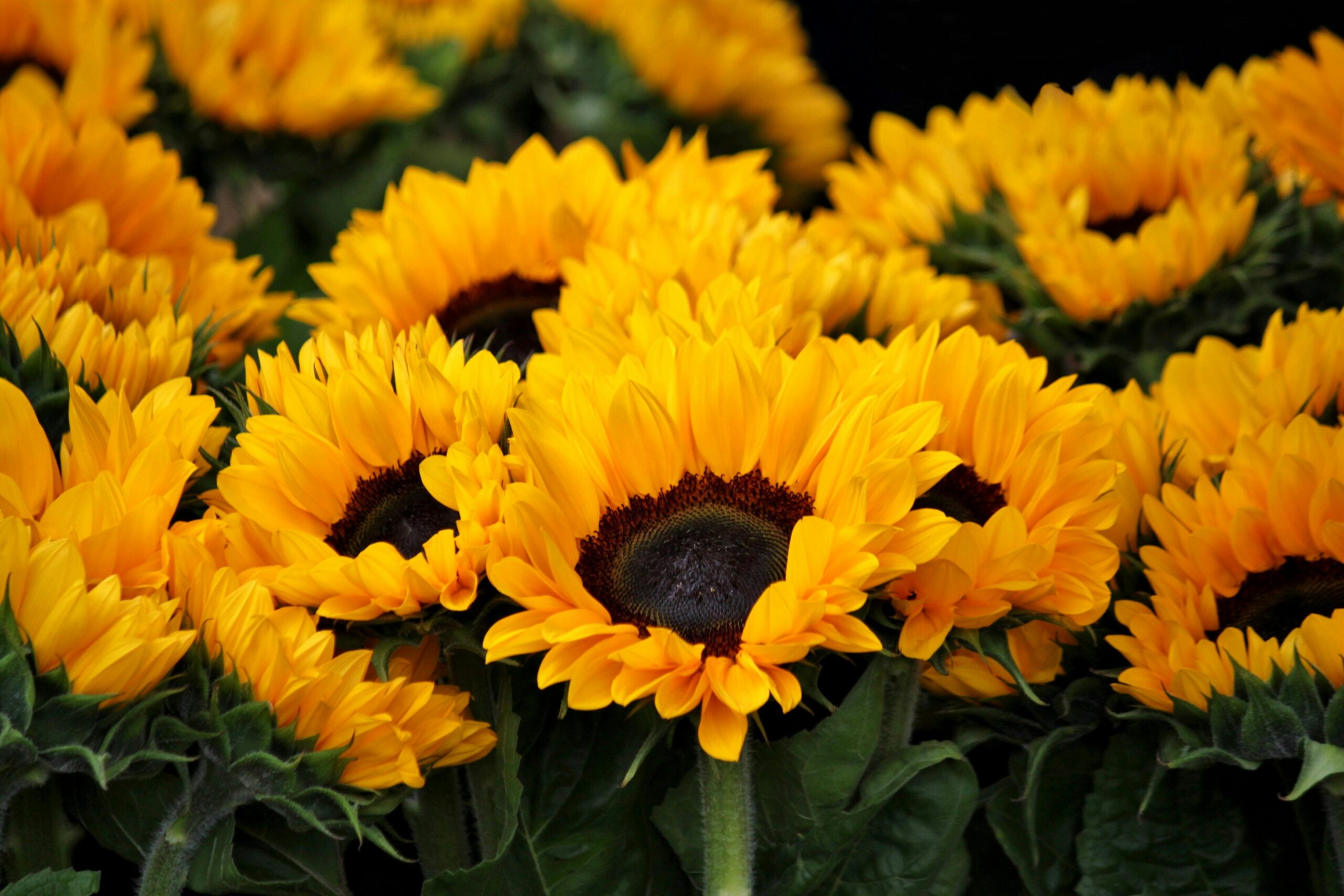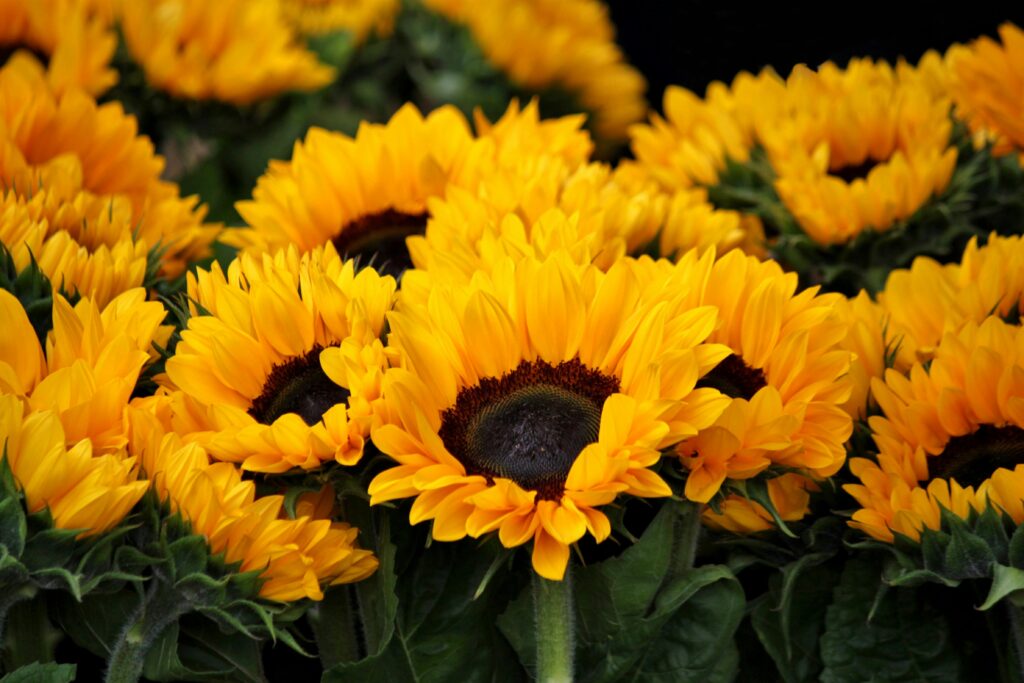


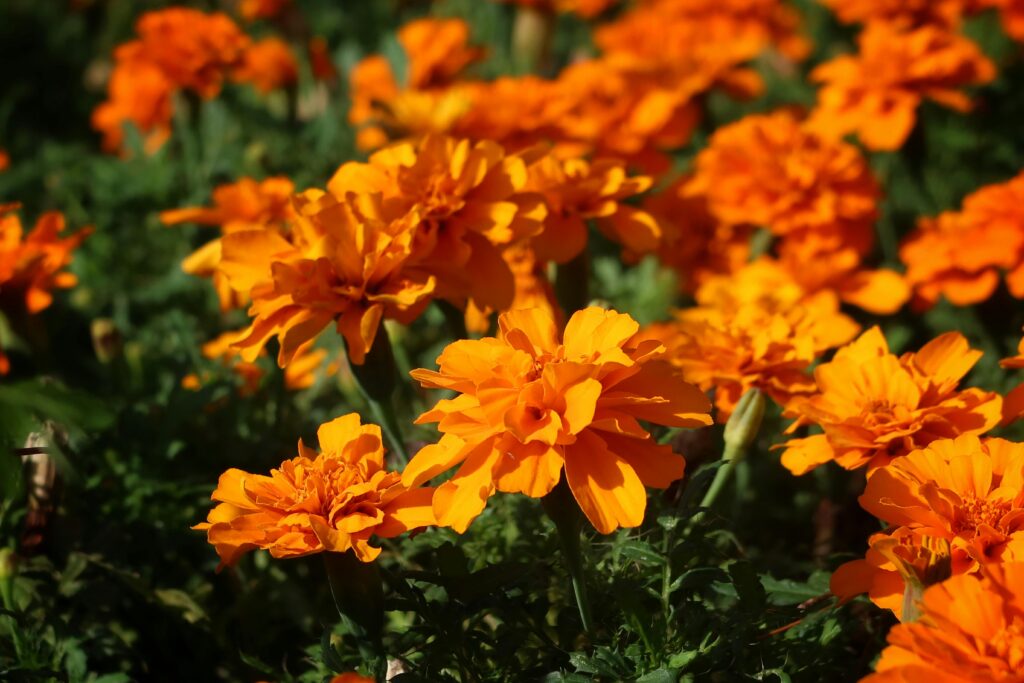
Marigold, commonly known as गेंदा (Genda), and botanically as Tagetes Erecta, is one of the most loved flowering plants in India. Its bright yellow and orange blooms make it a favorite for festivals, home decoration, and garden borders. Beyond its beauty, marigold is easy to grow, beginner-friendly, and a natural pollinator attractor.
🌱 Season
Marigolds bloom well in summer and winter, with peak demand during festive months. In tropical regions, they can also thrive during the monsoon if drainage is good.
🌱 Type
Marigold is an annual flowering plant, meaning it completes its lifecycle in one season but gives abundant flowers during that time.
🌱 Soil Needs
For best results, plant marigolds in well-drained, nutrient-rich soil. Mix compost and add Talking Soil powder every 20 days to keep the plants strong and blooming longer.
🌞 Light Requirement
Marigolds love full sunlight — at least 6–8 hours a day. Without proper sun, blooms become smaller and sparse.
💧 Watering
Water 2–3 times per week, ensuring the soil stays moist but not soggy. Yellow leaves often indicate overwatering, while drooping leaves suggest underwatering.
🪴 Best Pot/Bed
Marigolds thrive in terracotta pots, bio-fiber pots, or raised garden beds. These options allow proper aeration and drainage.
🌱 Propagation
They are most commonly grown from seeds, which germinate within 4–5 days. Direct sowing in soil or pots gives quick results.
✂️ Special Care Tip
Regular deadheading (removing dry flowers) promotes new blooms. Adding a light layer of mulch also helps conserve moisture and suppress weeds.
🌼 Uses & Benefits
- Sacred flower for puja and festivals
- Pollinator-friendly — attracts bees and butterflies
- Acts as a natural pest repellent in vegetable gardens
- Bright and cheerful, making it a perfect gifting flower
🐛 Common Pests/Diseases
Marigolds may face aphids, whiteflies, and powdery mildew. Spraying neem oil helps control these naturally.