

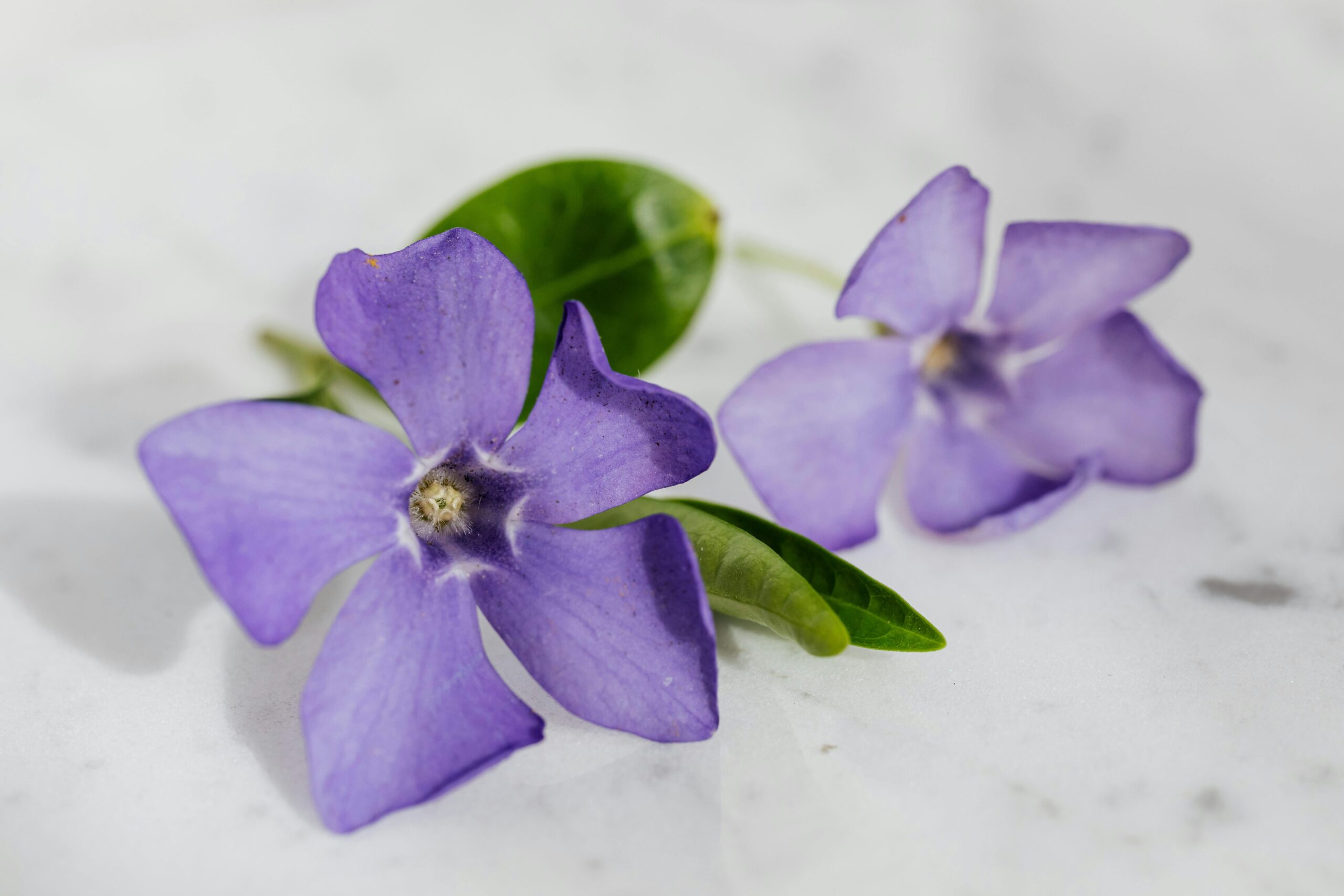
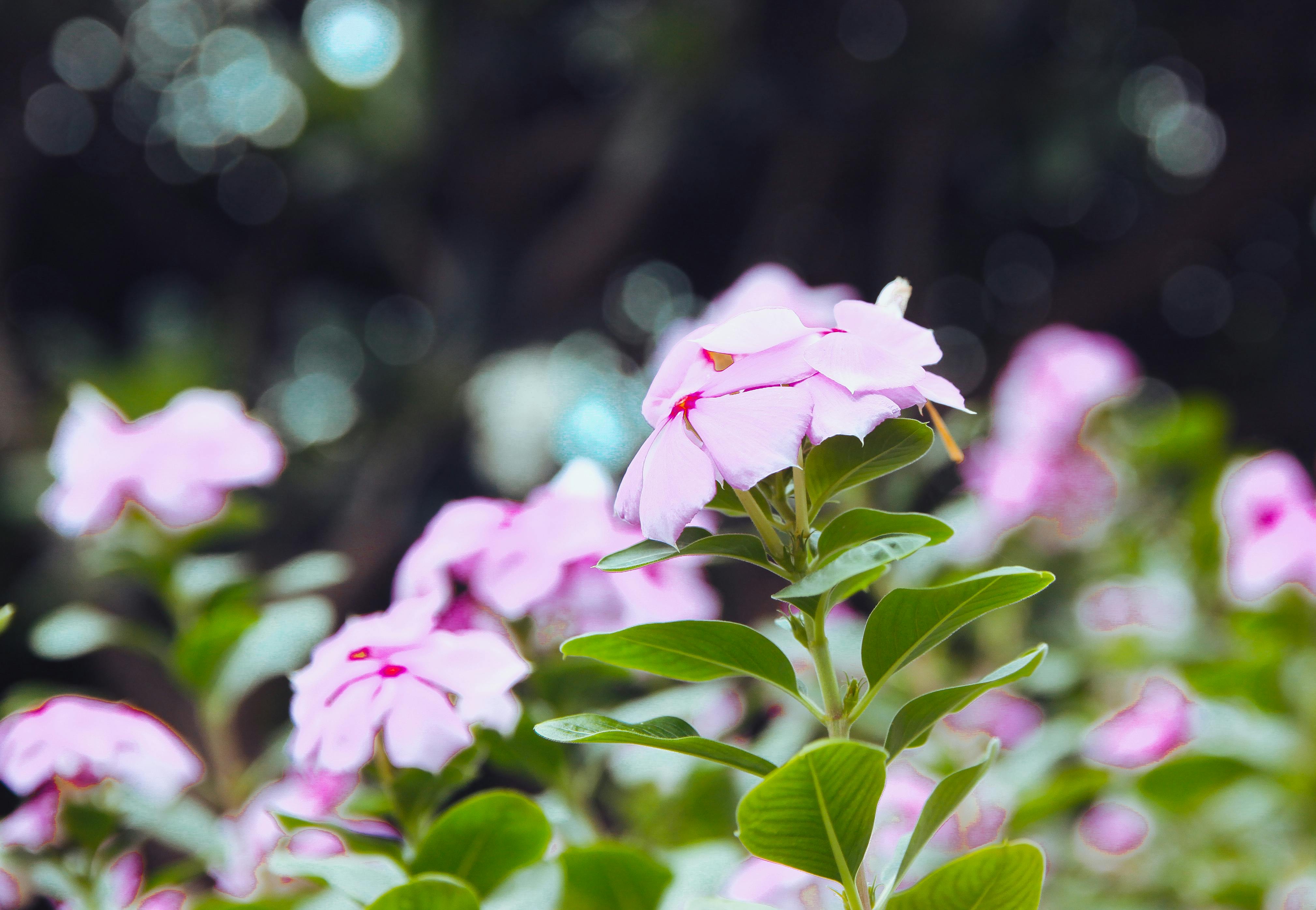
Periwinkle, popularly known as Sadabahar in India, is a true garden hero — it blooms almost all year round with very little maintenance. Known botanically as Catharanthus roseus, this plant is not just a showstopper with its pink, white, and violet flowers but also valued in traditional medicine for its therapeutic properties.
Perfect for beginners and busy gardeners, periwinkle tolerates heat, drought, and poor soil — making it an essential part of any sustainable, low-maintenance garden. Add CocoWing Talking Soil to boost its growth and flowering potential naturally.
🌸 Best Season for Periwinkle
- Planting: Can be planted year-round in tropical regions.
- Blooming: Periwinkle flowers throughout the year, with peak blooms during summer and monsoon.
🌳 Type of Plant
Periwinkle is a tender perennial and hardy groundcover — it thrives as a small shrub that spreads quickly.
🌍 Soil Needs – Talking Soil Tip
Periwinkle is not fussy but performs best in well-draining soil.
- Prefers slightly acidic to neutral pH (6.0–7.0).
- Avoid soggy soil — root rot can occur in standing water.
Ideal Soil Mix:
- 50% garden soil
- 25% coarse sand (improves drainage)
- 15% compost
- 10% CocoWing Talking Soil for consistent nutrient release
💡 Talking Soil improves root health, encourages branching, and increases the number of blooms.
☀️ Light Requirements
Periwinkle thrives in full sun, but also does well in partial shade — perfect for balconies and gardens that get 4–6 hours of sun.
- More sunlight = more flowers.
- In deep shade, flowering may reduce but foliage remains healthy.
💧 Watering
- Regular Watering: Twice a week in summer, once a week in cooler months.
- Avoid Overwatering: Periwinkle is drought-tolerant — too much water causes yellowing and root rot.
Signs to Watch:
- Underwatering: Droopy leaves and fewer blooms.
- Overwatering: Yellow, mushy leaves and fungal patches.
🪴 Best Pots & Beds
- Grows beautifully in terracotta pots, hanging baskets, and garden borders.
- Use wide, shallow containers to allow spreading.
- Ideal for xeriscaping (low-water gardens).
🌿 Propagation
- Seeds: Directly sow in well-prepared beds for mass planting.
- Stem Cuttings: Easiest method — root easily in soil or water.
✂️ Special Care & Maintenance
- Pinching: Pinch tips of young plants to encourage bushy growth.
- Pruning: Trim leggy stems periodically to maintain shape.
- Mulching: Helps retain moisture and keeps soil cool.
- Fertilizing: Feed with mild liquid fertilizer every 4–6 weeks during active blooming.
🌼 Uses & Benefits
- Garden Star: Year-round blooms add constant color to gardens.
- Medicinal Use: Known in Ayurveda for its alkaloids used in medicines (consult experts before use).
- Low Maintenance: Ideal for drought-prone regions.
- Pollinator Friendly: Attracts bees and butterflies.
🐛 Pests & Diseases
- Aphids/Mealybugs: Remove with neem oil spray.
- Fungal Leaf Spot: Improve air circulation, avoid overhead watering.
- Root Rot: Always check drainage before watering.
🌱 Talking Soil Final Tip
Mix CocoWing Talking Soil into the potting mix at planting and reapply as a top dressing every 2 months. This keeps periwinkle blooming profusely without heavy chemical fertilizers.