

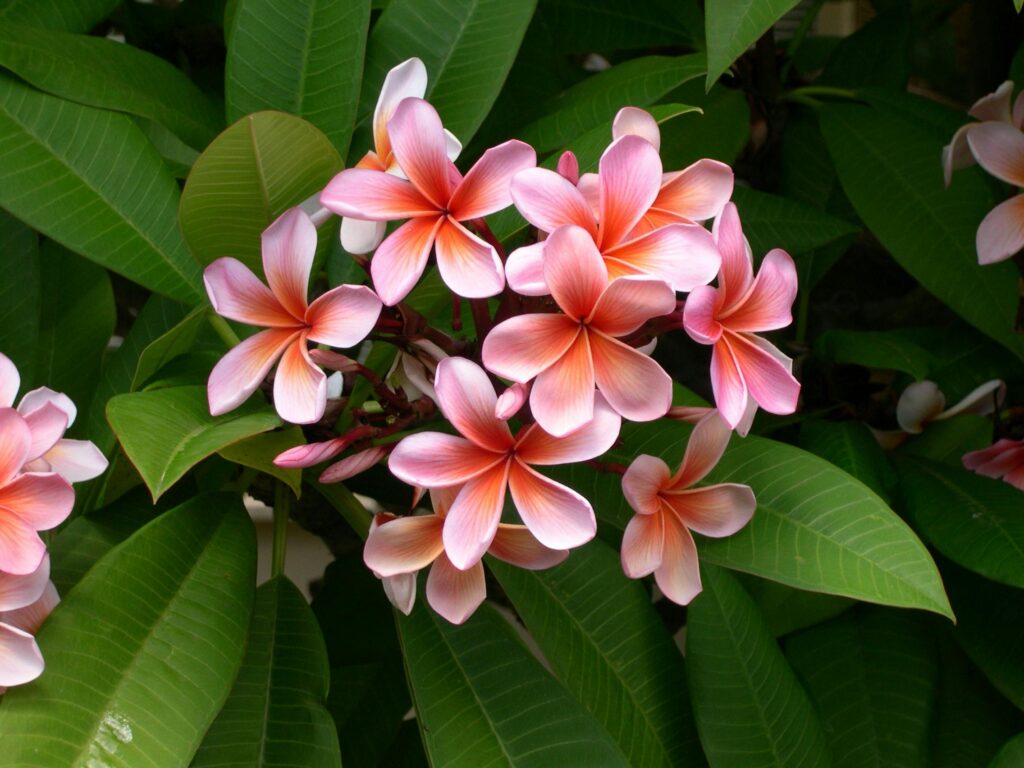
Plumeria, popularly called Frangipani, is one of the most beloved tropical flowers. With its creamy-white or vibrant pink blooms and that unforgettable fragrance, it is a plant that adds instant charm to any space. You’ve seen it lining temple paths, floating in water bowls, or forming dreamy garlands — but growing it at home is easier than many gardeners think.
Whether you have a sunny balcony or a backyard, Plumeria can thrive with a little attention to soil, light, and watering. This guide walks you through everything from planting and pruning to dealing with pests — all while keeping it organic with CocoWing Talking Soil.
🌸 Season & Blooming Cycle
Plumeria is a warm-weather plant that loves long, sunny days. Spring or early monsoon is the perfect time to plant or transplant because the soil is warm and roots establish quickly.
Blooming begins in late spring and continues well into autumn, often giving multiple flushes of flowers through summer. During winter, the plant drops its leaves and goes dormant — this is completely normal. Once temperatures rise, new growth will appear, followed by flower buds.
🌍 Soil & Nutrition – Get the Foundation Right
If there’s one thing Plumeria is picky about, it’s soil. This tree hates soggy roots, so avoid heavy clay or waterlogged areas. The best soil is light, fast-draining, and nutrient-rich.
A good DIY mix is:
- Garden loam for structure
- Coarse sand or perlite for drainage
- Well-rotted compost for organic matter
Mix in CocoWing Talking Soil for a natural boost of slow-release nutrition and better aeration. Talking Soil helps the roots stay healthy, which leads to stronger branches and more flowers through the season.
☀️ Light Requirements – Sun is Non-Negotiable
Plumeria is a sun-loving plant. To get the best flowering results, give it at least 6–8 hours of direct sunlight daily. A shady spot will keep the plant alive but result in very few blooms.
💧 Watering – The Right Balance
Plumeria prefers a soak-and-dry routine. Water thoroughly and then wait until the top 2–3 inches of soil are dry before watering again. Overwatering is the most common cause of plumeria death, as it leads to root rot.
During its winter dormancy, reduce watering drastically — just enough to prevent the soil from completely drying out.
✂️ Pruning & Propagation
Prune lightly in late winter or early spring to remove weak or crossing branches and encourage branching. More branches mean more tips for flowers to grow on.
Propagation is surprisingly simple. Take a healthy branch cutting, let the cut end dry and form a callus for about a week, and then plant it in a sandy mix. Water sparingly until new leaves appear — a sign that roots have formed.
🪴 Container vs. Garden Planting
Plumeria grows well both in the ground and in containers. If growing in pots, choose a large terracotta or bio-fiber pot with good drainage holes. Refresh the soil every 3–4 years and upsize the container if needed to keep the plant vigorous.
🐛 Pests & Problems
Plumeria is generally hardy but can occasionally attract pests like mealybugs, aphids, and spider mites. Neem oil spray every 2–3 weeks during summer is an effective organic solution. Rust fungus may appear as orange spots on leaves — remove affected leaves and ensure good airflow around the plant.
🌼 Benefits & Uses
Apart from being visually stunning, Plumeria is valued for its fragrance, which attracts bees and butterflies. Its blossoms are commonly used in garlands, temple offerings, perfumes, and even as natural decoration for events and ceremonies.
🌱 Talking Soil Tip – The Secret to Abundant Blooms
To keep your Plumeria happy year after year, top-dress with CocoWing Talking Soil twice annually — once in spring and again in the monsoon. This ensures steady nutrition, stronger roots, and longer flowering cycles without relying on harsh chemical fertilizers.