
Vertical gardening is becoming one of the most popular ways to grow plants in limited spaces, from urban balconies to office walls. It’s not just about saving space — vertical gardens add greenery, improve air quality, and bring visual charm to your surroundings. However, the ease of maintenance, plant choices, materials, and design all play a big role in ensuring success.
Here’s your complete guide to starting and maintaining a beautiful vertical garden — and how Cocowing can help design one that’s eco-friendly and long-lasting.
Is Vertical Gardening Easy?
Yes — but “easy” depends on your plant choices, watering system, and material selection. Vertical gardening isn’t completely maintenance-free, but with the right setup, you can make it low-maintenance.
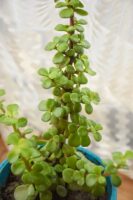
- Low-effort plants like succulents, money plants, and pothos require minimal care.
- Proper planning ensures that your garden stays healthy without constant attention.
Maintenance-Free?
A vertical garden will still require:
- Regular Watering: Even drought-tolerant plants need occasional water.
- Fertilization: Nutrients get depleted faster in vertical setups, so using products like Cocowing Talking Soil can help replenish them naturally.
- Pruning & Cleaning: Removing dead leaves keeps pests away and maintains a fresh look.
With a well-designed irrigation system and slow-release natural fertilizers, maintenance can be reduced by 60–70%.
Plastic Pots vs. Bio-Fiber Pots
Plastic Pots:
- Pros: Lightweight, durable, and inexpensive.
- Cons: Non-biodegradable, can heat up in direct sun, which harms roots.
Bio-Fiber Pots:
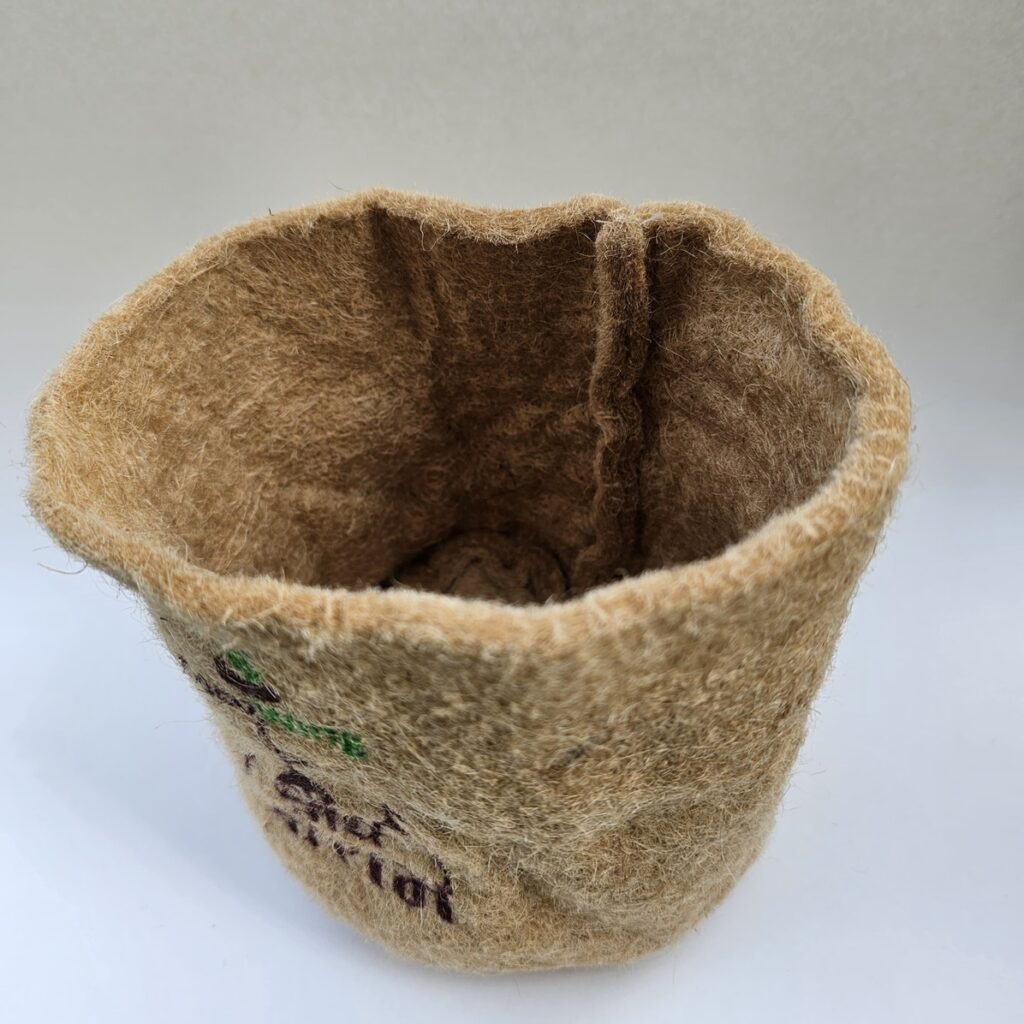
- Pros: Breathable material, better aeration, prevents root rot, eco-friendly, retains moisture, and supports healthy root growth.
- Cons: Being a natural material, they can develop surface fungus in damp, shaded conditions — but this fungus is harmless to plants and is a sign of healthy biodegradation.
Verdict: For sustainable, long-term soil health and plant growth, bio-fiber pots are the best choice.
Best Plants for Vertical Gardening
Choose plants based on sunlight availability:
- Low-Light Areas: Money plant, spider plant, ferns, pothos, peace lily.
- Bright Light Areas: Succulents, aloe vera, jade plant, basil, mint.
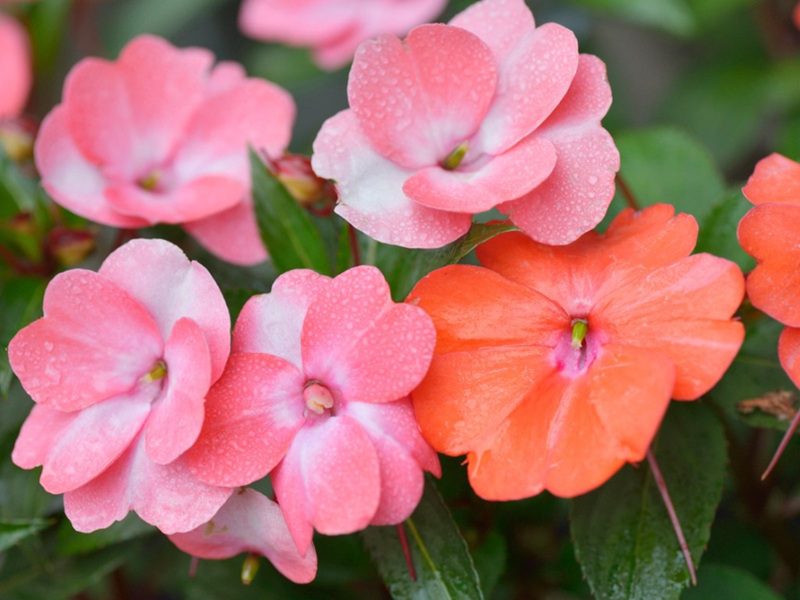
- Flowering Choices: Petunias, impatiens, marigolds.
- Edible Options: Cherry tomatoes, chillies, spinach, lettuce, herbs.
Ideal Height for a Vertical Garden
- Indoor Walls: 5–7 feet tall for easy access.
- Outdoor Installations: Can be 8–10 feet, but ensure a sturdy frame.
- The height should allow comfortable watering, pruning, and harvesting without a ladder for regular care.
How to Water a Vertical Garden
- Drip Irrigation System: The most efficient method — water slowly trickles down, reaching each plant evenly.
- Manual Watering: Use a long-spout watering can to reach higher plants, watering from top to bottom so excess water drips down to lower pots.
Tip: Use Cocowing Talking Soil in each pot to retain moisture longer and reduce watering frequency.
How Cocowing Can Help in Designing Your Vertical Garden
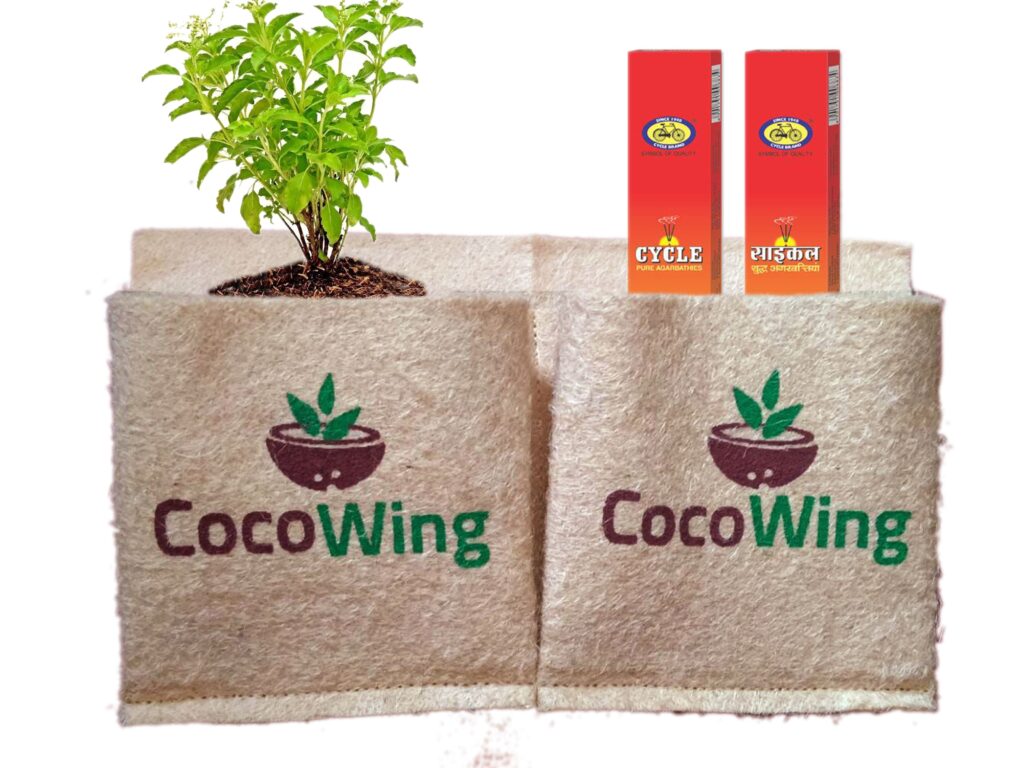
- Eco-Friendly Containers: Use Cocowing bio-fiber pots instead of plastic for a sustainable setup.
- Nutrient-Rich Soil: Cocowing Talking Soil enhances plant growth naturally, providing balanced nutrition and better water retention.
- Custom Design Assistance: We create tailored layouts for balconies, terraces, or indoor walls — ensuring plant compatibility with light and space.
- Water Efficiency: Pairing Cocowing soil with drip irrigation reduces water waste by up to 50%.