
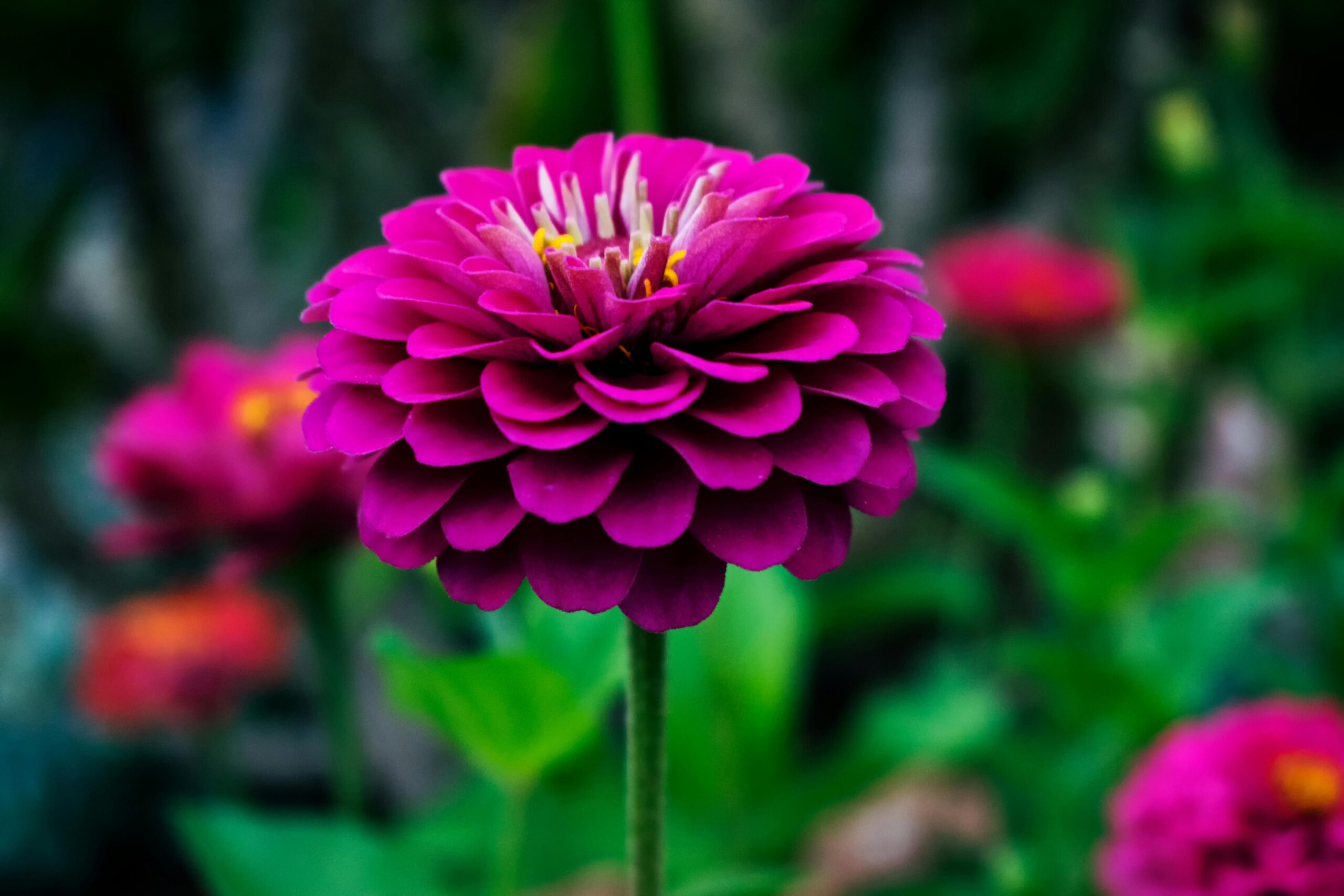
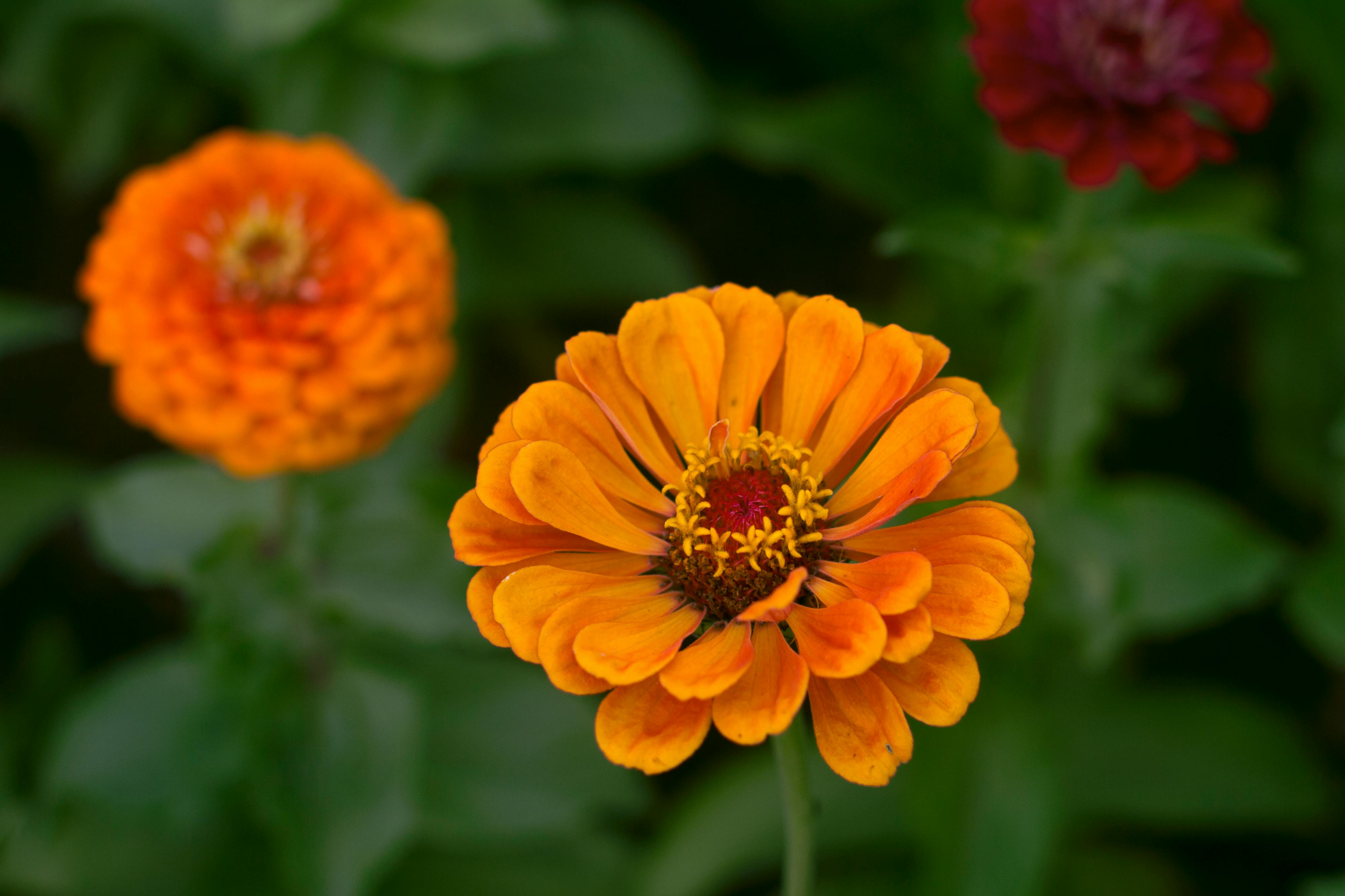
If sunflowers are the giants of the summer garden, zinnias are its fireworks. Known botanically as Zinnia elegans, these annuals are beloved for their kaleidoscopic colors, long blooming season, and effortless charm. From bold reds and oranges to soft pastels and bi-colored wonders, zinnias look like they’ve been painted by an artist’s brush.
Originating from Mexico, zinnias have traveled the world to become staples in gardens, balconies, and cutting beds. Their appeal lies not only in their dazzling display but also in their ease of care. Even beginner gardeners can coax zinnias into months of blooming glory, provided they give them sunshine and a little attention.
🌸 Season & Growth Habit
Zinnias are summer annuals that thrive in hot weather. They’re typically sown in spring once the soil has warmed, and they bloom continuously until autumn’s first frost. Depending on the variety, zinnias range from 6-inch dwarfs perfect for borders to 3-foot giants ideal for cutting gardens.
Their upright growth habit and diverse flower forms — single, semi-double, or fully double pom-poms — mean they can fit into nearly any garden style, from formal beds to cottage-style plantings.
🌍 Soil Needs & Planting: A Good Start for Continuous Blooms
Zinnias flourish in well-drained, moderately fertile soil. While they’re not overly demanding, overly rich soil can encourage too much leafy growth at the expense of flowers. A neutral to slightly acidic pH (6.0–7.0) is ideal.
Before sowing, work CocoWing Talking Soil into the bed to provide organic nutrition and improve soil texture. Direct sowing works best for zinnias, as they dislike root disturbance, but seedlings can also be started indoors and transplanted with care.
Plant seeds about ¼ inch deep and 8–12 inches apart, depending on variety. For continuous flowering, stagger plantings every 2–3 weeks through summer.
☀️ Sunlight & Watering
Zinnias love the sun and need at least 6–8 hours of direct sunlight daily. More sunlight equals more blooms, richer colors, and sturdier plants. In partial shade, zinnias may survive but will flower sparsely and are more prone to disease.
Watering should be deep but infrequent, keeping soil evenly moist but not soggy. Overhead watering can cause powdery mildew on leaves, so it’s best to water at the base. A drip system or soaker hose works beautifully to keep foliage dry while delivering moisture to roots.
✂️ Maintenance & Care
Zinnias may be low-maintenance, but regular care transforms them into nonstop bloomers:
- Deadheading: Remove spent flowers regularly to encourage fresh blooms.
- Pinching: Pinch young plants when 6 inches tall to encourage branching and bushiness.
- Mulching: Keeps weeds down and retains soil moisture.
- Fertilization: Light feeding every few weeks with Talking Soil keeps flowers vibrant without overfeeding.
Zinnias are also excellent cut flowers, lasting up to 10 days in a vase if harvested when petals are just opening. Cutting stems also encourages more branching and blooms in the garden.
🌱 Propagation
Zinnias are almost always grown from seeds, which germinate in just 5–7 days under warm conditions. Seeds can be saved from mature flowers, though hybrid varieties may not grow true to type.
Because they germinate so quickly and easily, zinnias are among the most rewarding annuals to grow directly in the soil.
🐛 Pests & Problems
While hardy, zinnias can face a few common issues:
- Powdery mildew (a white coating on leaves), especially in humid weather
- Aphids and whiteflies, which may cluster on young stems
- Leaf spots in overcrowded plantings
Good airflow, proper spacing, and soil health enhanced with Talking Soil reduce most of these problems. Removing diseased leaves promptly helps keep plants healthy.
🌼 Benefits & Uses
Zinnias are not just garden showstoppers — they’re beneficial in many ways:
- Pollinator magnets: Butterflies, bees, and hummingbirds flock to their nectar-rich blooms.
- Cut flowers: Long stems and a rainbow of colors make them favorites for bouquets.
- Low-maintenance beauty: Perfect for beginner gardeners and low-input gardens.
- Symbolism: Zinnias symbolize friendship, endurance, and remembrance, making them thoughtful gifts.
- Continuous color: Unlike many flowers, zinnias bloom prolifically until frost, offering months of color.
🌱 Talking Soil Tip
Work CocoWing Talking Soil into the soil at planting and lightly top-dress every 3–4 weeks during the blooming season. This ensures steady growth, disease resistance, and brighter blooms, especially in long summers when zinnias give their best show.