
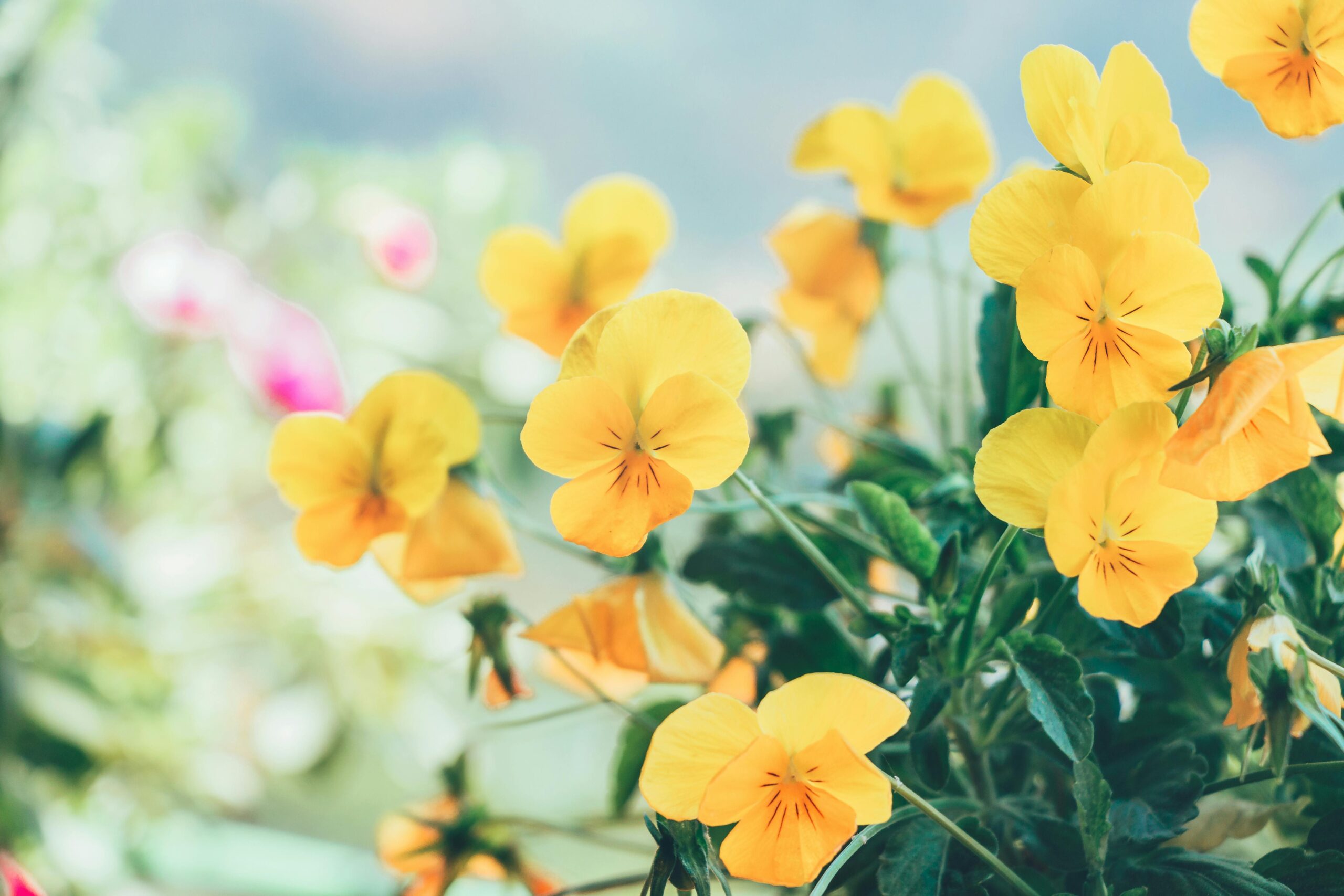
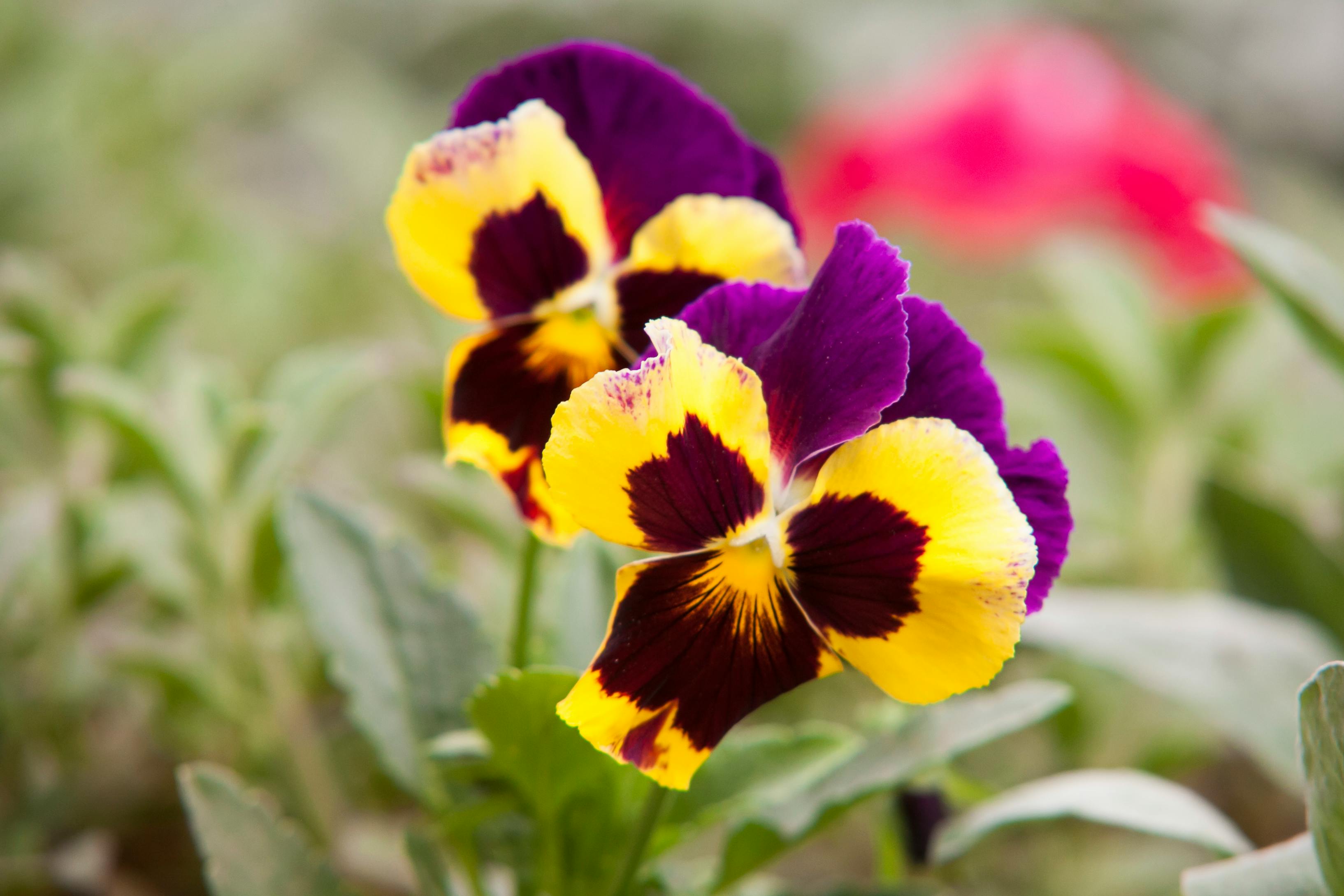
Few flowers can compete with the charm of pansies — often called “smiling faces of winter” thanks to their unique petal patterns. Pansies come in a delightful mix of purple, yellow, orange, blue, and even bi-color varieties, making them a favorite for winter gardens, borders, and hanging baskets.
These cool-season annuals are easy to grow and low maintenance, making them perfect for beginner gardeners. With CocoWing Talking Soil, you can boost their blooming power and enjoy cheerful color patches all winter long.
🌸 Best Season for Pansies
- Sowing Season: September–October (North India), slightly later in southern states
- Blooming Season: November to March (cool months)
- Thrives best in temperatures below 25°C — perfect for the Indian winter season.
🌳 Type of Plant
Pansy is a cool-season annual grown mainly for its flowers. In cooler climates, it can behave like a short-lived perennial.
🌍 Soil Needs – Talking Soil Tip
Pansies need fertile, well-draining soil to produce lush blooms.
- Prefer slightly acidic to neutral soil (pH 6.0–7.0).
- Heavy soil can be loosened with cocopeat or sand.
Ideal Soil Mix:
- 40% garden loam
- 30% compost or leaf mold
- 20% cocopeat or coarse sand
- 10% CocoWing Talking Soil for organic nutrition
💡 Talking Soil keeps pansies fed slowly, ensuring continuous blooming throughout winter.
☀️ Light Requirements
Pansies love cool sun — full sunlight in winter helps them produce bigger flowers.
- In warmer climates, provide light afternoon shade to prevent wilting.
💧 Watering
- Keep soil evenly moist, never waterlogged.
- Water early in the morning to allow foliage to dry before evening.
Watch for Signs:
- Underwatering: Flowers droop, leaves wilt quickly.
- Overwatering: Root rot, yellowing leaves, fungal growth.
🪴 Best Pots & Beds
- Perfect for flower beds, balcony railing planters, window boxes, and hanging baskets.
- Space plants 6–8 inches apart for a lush carpet effect.
🌿 Propagation
- Seeds: Best sown in seed trays 6–8 weeks before planting time.
- Transplant: Shift healthy seedlings to beds or pots when 4–6 leaves appear.
✂️ Special Care & Maintenance
- Deadheading: Remove spent blooms regularly to encourage fresh flowers.
- Pinching: Pinch young plants to make them bushier.
- Mulching: Apply light mulch to retain soil moisture.
- Fertilization: Use a mild liquid fertilizer every 15 days for maximum blooms.
🌼 Uses & Benefits
- Winter Garden Stars: Provide color when most flowers are dormant.
- Edible Blooms: Pansy petals are edible and make beautiful cake decorations.
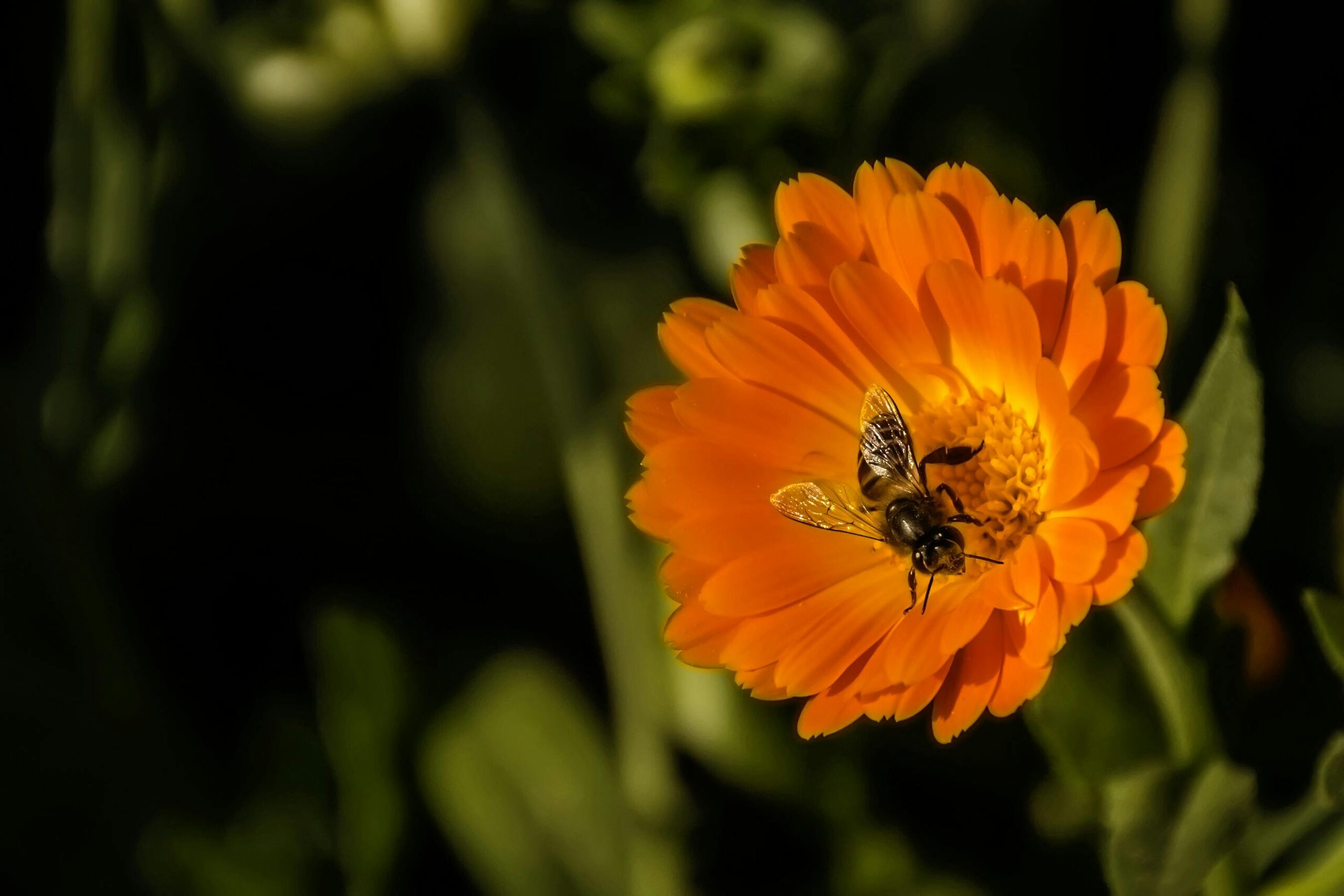
- Pollinator Friendly: Attract bees and beneficial insects during cool months.
🐛 Pests & Diseases
- Aphids & Caterpillars: Spray with neem oil solution or handpick.
- Powdery Mildew: Ensure good air circulation and avoid overhead watering.
- Snails & Slugs: Use organic barriers or traps.
🌱 Talking Soil Final Tip
Mix CocoWing Talking Soil into the bed or potting mix before planting and add a handful as a top dressing every month for long-lasting, vibrant blooms.