
Few flowers capture imagination like the Snapdragon (Antirrhinum majus), named for its dragon-like blossoms that appear to “snap” open and shut when gently pressed. Native to the Mediterranean, Snapdragons have become beloved ornamental plants across the world, especially in cooler climates.
Beyond their playful appearance, Snapdragons hold rich symbolism — they are associated with strength, resilience, grace under pressure, and even mystery. In Victorian flower language, they represented both graciousness and sometimes deception, depending on the context.
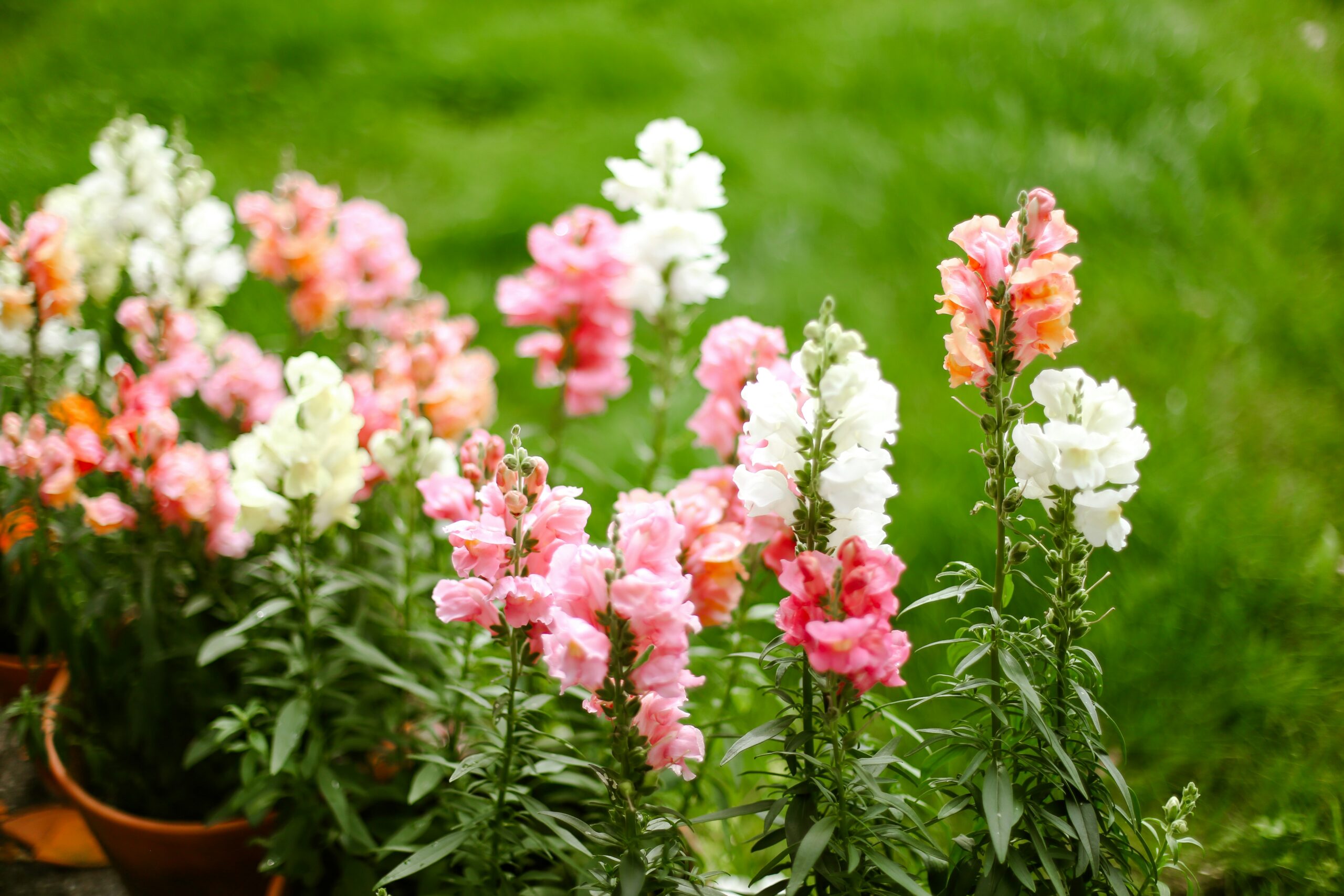
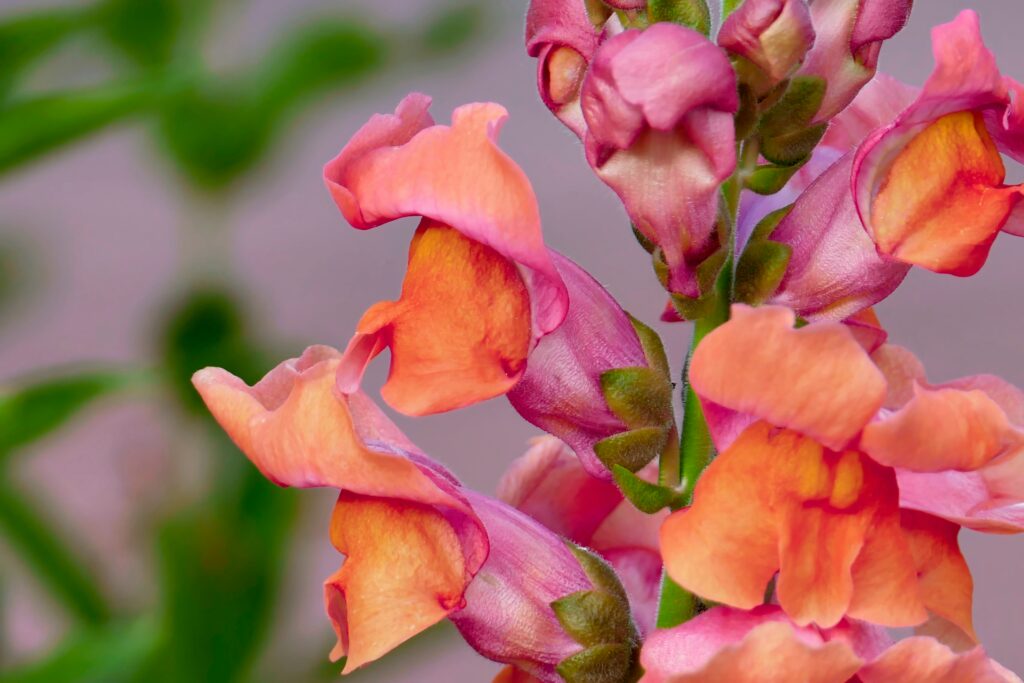
In modern gardens, Snapdragons are admired for their tall spikes of bright flowers, ranging from whites and yellows to vibrant pinks, reds, purples, and even bicolors. They are widely used in flower beds, borders, cut-flower arrangements, and even as pollinator-friendly plants.
🌸 Season & Growth Habit
Snapdragons are cool-season annuals or short-lived perennials (depending on the climate). In India and similar regions, they are typically grown as winter annuals because they thrive in mild weather and start struggling in extreme heat.
- Height: Dwarf varieties grow up to 15–30 cm, while taller cultivars can reach 1 meter.
- Flowers: Produced on upright spikes, with tubular, bilabiate petals that resemble a dragon’s mouth.
- Blooming season: Late autumn to spring in warm regions, or throughout summer in temperate zones.
- Colors: Available in a wide palette, from pastel shades to deep jewel tones. Some varieties are even bi-colored or striped.
Their unique form and striking vertical growth make them stand out in gardens.
🌍 Soil Needs & Planting
Snapdragons prefer rich, well-draining soil with high organic content. The soil should be slightly acidic to neutral (pH 6–7).
For garden planting, prepare beds by mixing in compost or manure for fertility. For pots, a mix of garden soil + cocopeat + compost + sand works well.
Incorporating CocoWing Talking Soil enhances the soil with balanced nutrition, ensures root aeration, and provides slow-release organic matter that helps Snapdragons sustain their bloom cycles.
Plant spacing depends on the variety:
- Dwarf types: 15–20 cm apart
- Medium to tall varieties: 30–45 cm apart
☀️ Sunlight & Watering
Snapdragons thrive in full sun, but they can also tolerate partial shade in very warm regions. At least 4–6 hours of direct sunlight ensures sturdy growth and bright flower colors.
Watering must be consistent but moderate:
- Keep the soil evenly moist, especially during flowering.
- Avoid waterlogging, as Snapdragons are prone to root rot.
- Mulching helps conserve soil moisture and regulate temperature.
✂️ Maintenance & Care
Snapdragons reward regular attention with a long blooming season:
- Pinching: Pinch young plants to encourage bushier growth.
- Deadheading: Remove spent flowers to stimulate continuous blooming.
- Fertilization: Apply CocoWing Talking Soil or organic compost every 3–4 weeks to sustain growth.
- Support: Tall varieties may need staking to prevent bending or breakage in windy conditions.
- Temperature sensitivity: In hot climates, Snapdragons stop flowering. Provide partial shade or grow them as seasonal annuals.
🌱 Propagation
Ashoka trees are commonly propagated through seeds and cuttings. Fresh seeds germinate well when sown in moist soil, though they may take time to sprout. Stem cuttings treated with rooting hormones are another reliable way to propagate the tree, especially for ornamental landscaping projects.
🐛 Pests & Problems
Snapdragons can face a few garden challenges:
- Rust and powdery mildew in humid conditions.
- Aphids and thrips, which attack new shoots and flowers.
- Root rot, caused by overwatering.
Preventive measures include ensuring good air circulation, proper spacing, and using Talking Soil to keep the plant’s root zone strong and disease-resistant.
🌼 Benefits & Uses
Snapdragons are versatile in gardens and beyond:
- Ornamental use: Popular in flower beds, borders, pots, and cut-flower arrangements.
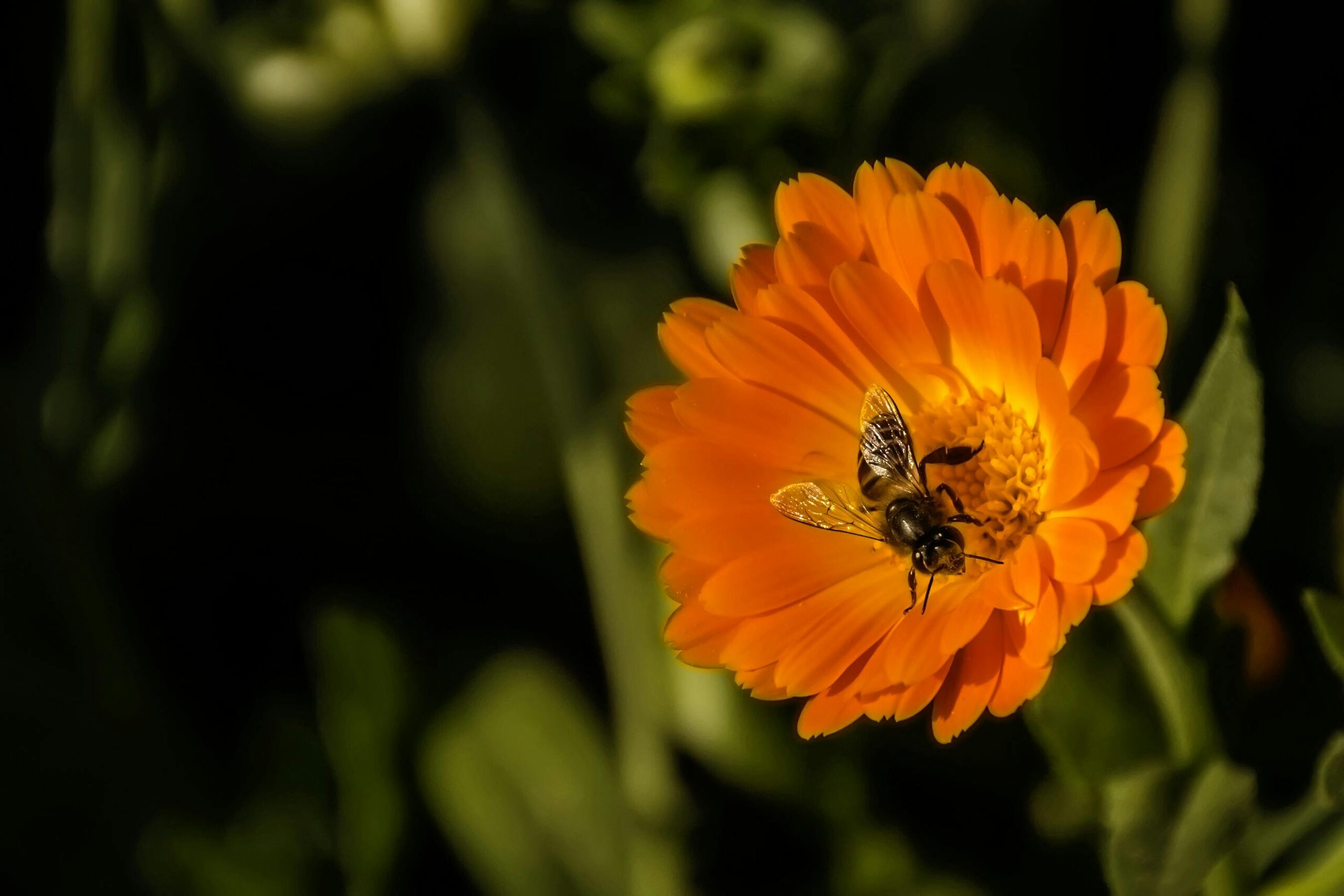
- Pollinator-friendly: Attracts bees and butterflies, though their unique flower structure allows only strong insects to access the nectar — hence a selective pollinator plant.
- Symbolism: Represents strength, grace, and resilience; in some traditions, also secrecy and mystery.
- Cultural use: In Europe, they have been historically grown to ward off evil spirits.
- Eco-benefits: Their long-lasting blooms make them valuable for urban gardens and pollinator support.
🌱 Talking Soil Tip
Feed Snapdragons with CocoWing Talking Soil every 3–4 weeks during the blooming period. This will enrich the soil with organic matter, strengthen root growth, and ensure vibrant flower spikes throughout the cool season.