
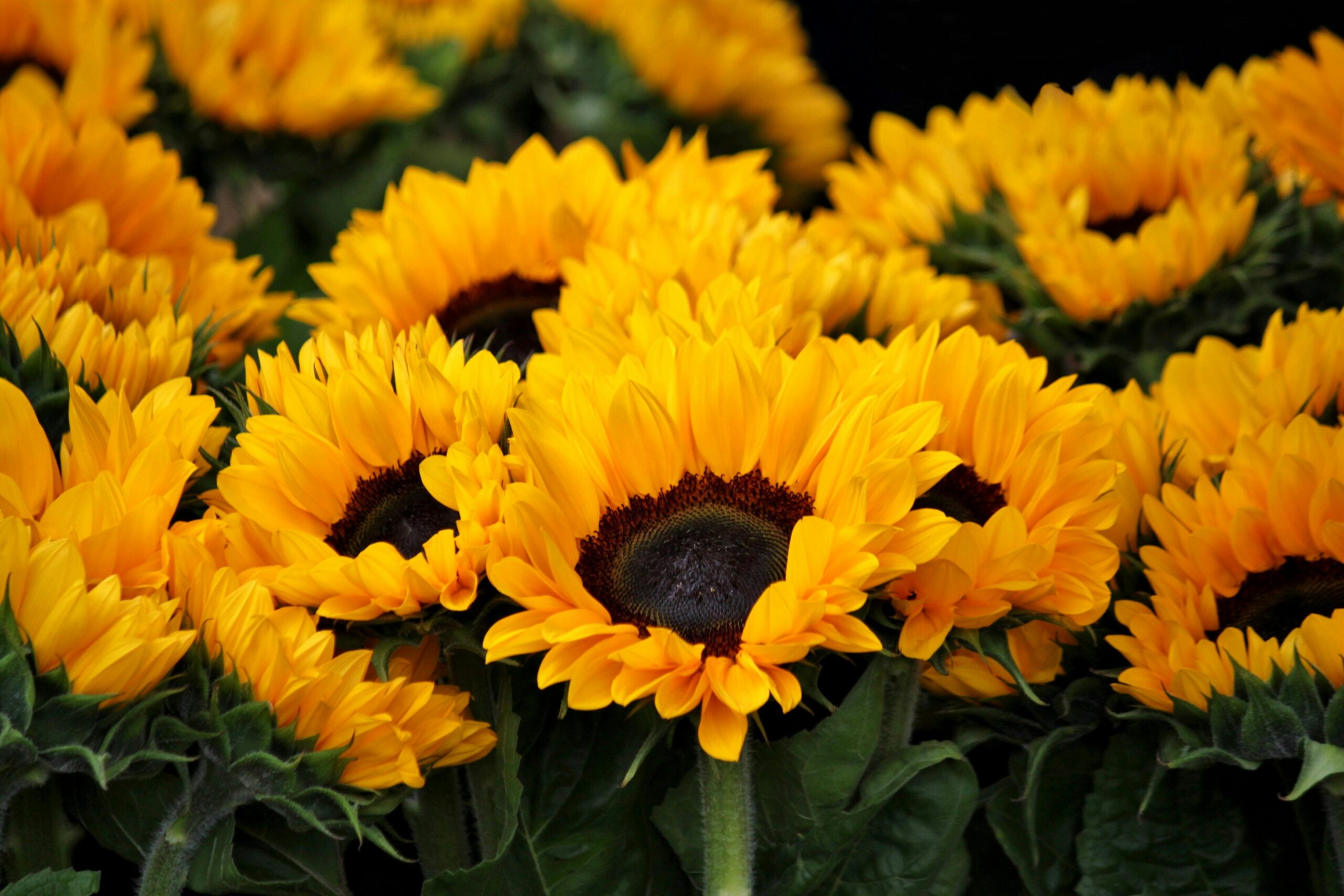
Few flowers can match the bold charisma of the Sunflower. With its towering stalks and golden heads that follow the sun across the sky, this plant embodies warmth, positivity, and abundance. Known botanically as Helianthus annuus, the sunflower is not just an ornamental showstopper but also an agricultural powerhouse, cultivated worldwide for its seeds and oil.
Sunflowers have been cultivated for more than 4,500 years, with origins tracing back to Native American civilizations. They revered the plant not only for its food value but also for its symbolism of life, fertility, and the sun god. Today, they remain one of the most recognizable and beloved flowers globally, bringing cheer to gardens, fields, and vases alike.
🌸 Season & Growth Habit
Sunflowers are warm-season annuals that thrive in summer. Depending on the variety, they can grow anywhere from 1 foot (dwarf types) to over 12 feet tall (giant varieties). Their broad leaves capture sunlight efficiently, while their iconic flower heads — actually a composite of hundreds of tiny florets — face eastward in maturity, though young buds famously exhibit heliotropism (sun-following).
Flowering generally begins in mid to late summer and continues into early autumn. Sunflowers also serve as a habitat for beneficial insects, pollinators, and birds, making them ecological treasures as well as garden stars.
🌍 Soil Needs & Planting: Feeding the Giants
Sunflowers are strong growers, but their full potential is unlocked in well-drained loamy soil enriched with organic matter. They prefer soil with a pH between 6.0 and 7.5, but they’re surprisingly tolerant of different conditions.
Before planting, work in generous amounts of CocoWing Talking Soil or compost to provide slow-release nutrition. This ensures tall, sturdy stems and large flower heads. Sunflower roots go deep, so loosen soil at least 12–15 inches for strong anchorage.
Plant seeds directly in the ground once the danger of frost has passed and the soil has warmed. Sow seeds about 1 inch deep and 6–12 inches apart, depending on the variety. For giant varieties, leave more space for root and stalk development.
☀️ Sunlight & Watering
True to their name, sunflowers thrive in full sun. They need at least 6–8 hours of direct sunlight daily, though more is always better for bigger blooms. Their heliotropic behavior ensures young plants track the sun’s movement, maximizing photosynthesis.
Water deeply but infrequently, encouraging roots to reach downward for moisture. Established sunflowers are drought-tolerant, but during budding and flowering, regular watering is crucial to prevent wilting and ensure seed development. Avoid overhead watering, which can encourage fungal problems — instead, water at the base of the plant.

✂️ Maintenance & Care
Sunflowers may look rugged, but they benefit from attentive care:
- Staking: Tall varieties may need support in windy areas to prevent lodging (falling over).
- Deadheading: Removing spent blooms can encourage branching varieties to produce more flowers.
- Mulching: Helps conserve moisture and regulate soil temperature.
- Fertilization: Avoid excessive nitrogen, which promotes leaves at the expense of flowers. Regular feeding with CocoWing Talking Soil ensures balanced growth.
Once flower heads mature, seeds can be harvested or left for birds — a natural way to attract wildlife to your garden.
🌱 Propagation
Sunflowers are propagated from seeds, which germinate quickly in warm soil. Direct sowing is best, as their long taproots do not transplant well. Seeds sprout in 7–10 days, and seedlings establish rapidly under the sun.
Gardeners often stagger sowing every 2–3 weeks to extend the flowering season, creating a rolling display of golden blooms.
🐛 Pests & Problems
Sunflowers are hardy but not immune:
- Aphids and caterpillars can feed on leaves and buds.
- Birds and squirrels may raid seeds before they mature.
- Fungal diseases like powdery mildew or rust may appear in humid weather.
Good spacing, crop rotation, and organic soil health management with Talking Soil help minimize these issues naturally. Covering seed heads with mesh bags can protect them from hungry wildlife if you’re saving seeds for yourself.
🌼 Benefits & Uses
Sunflowers are beloved for more than their beauty:
- Seeds & oil: Rich in healthy fats and proteins, sunflower seeds are a nutritious snack and source of sunflower oil.
- Soil health: Sunflowers are phytoremediators, capable of drawing toxins like heavy metals from contaminated soil.
- Pollinator support: Bees, butterflies, and other insects flock to their nectar-rich florets.
- Cut flowers: With their bold heads and long vase life, sunflowers brighten homes and events.
- Symbolism: Associated with positivity, loyalty, and abundance, sunflowers are often gifted as tokens of encouragement.
🌱 Talking Soil Tip
Mix CocoWing Talking Soil into the planting bed at sowing time, then side-dress again when plants reach 2–3 feet tall. This steady, organic nutrition strengthens stems, boosts flower head size, and improves seed quality — all without synthetic inputs.