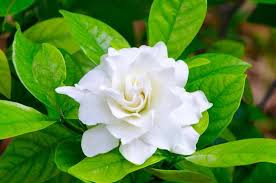

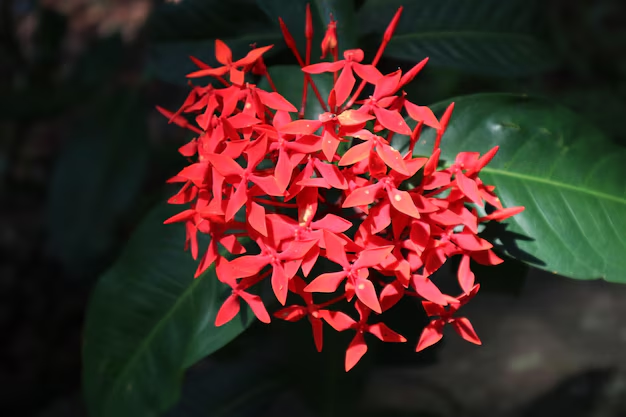
The Ashoka tree, botanically known as Saraca asoca, is one of the most sacred and celebrated flowering trees in India. Its name means “without sorrow” — symbolizing joy, love, and spiritual peace. With its dense clusters of fiery orange-red flowers, the Ashoka tree has been admired since ancient times, finding its place in mythology, poetry, and temple courtyards.
In Hinduism and Buddhism, the Ashoka tree is revered as a symbol of purity and compassion. Ancient texts describe it as the tree under which Lord Buddha was born, and legends link it with love and fertility. Beyond its spiritual symbolism, Ashoka holds a vital role in Ayurvedic medicine, where its bark and flowers are used in remedies for women’s health and general well-being.
🌸 Season & Growth Habit
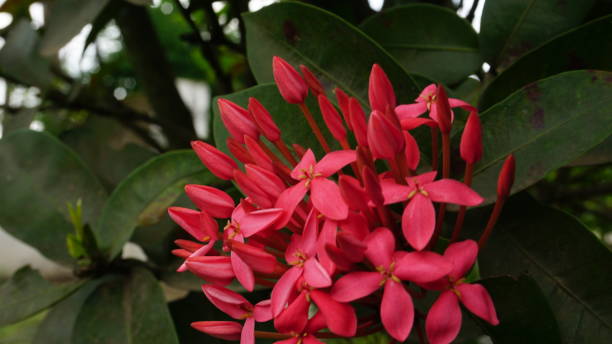
The Ashoka is an evergreen, medium-sized tree, usually growing up to 6–9 meters tall with cascading, feathery foliage. It produces clusters of bright red-orange blossoms that mature into a deeper crimson as they age.
Ashoka trees bloom mainly during February to April, creating a spectacular sight when the entire crown bursts into fiery flowers. Unlike many deciduous bloomers, the Ashoka tree retains its glossy green foliage year-round, making it a favorite ornamental in gardens, avenues, and temple grounds.
🌍 Soil Needs & Planting
Ashoka thrives in well-drained, fertile soil rich in organic matter. It grows well in loamy and slightly acidic soils but struggles in waterlogged conditions. The tree appreciates deep soil that allows its strong roots to spread easily.
When planting an Ashoka sapling, mixing in CocoWing Talking Soil enhances soil fertility, promotes better root growth, and ensures balanced organic nutrition. This is particularly useful in urban environments, where soils are often compacted or nutrient-deficient.
☀️ Sunlight & Watering
Ashoka prefers full sunlight to partial shade. While it can tolerate some shade, its flowering is most prolific in sunny spots.
Water young Ashoka trees regularly during the first 2–3 years to establish strong roots. Mature trees are relatively drought-tolerant but benefit from deep watering once or twice a week during dry seasons. Signs of stress include drooping leaves, which quickly recover with proper watering. Mulching around the base helps retain soil moisture and keeps the roots cool.
✂️ Maintenance & Care
Ashoka trees are generally low-maintenance but thrive with some seasonal care:
- Pruning: Remove dead or weak branches after flowering to maintain shape and encourage healthy growth.
- Mulching: A thick layer of organic mulch keeps the soil moist and suppresses weeds.
- Feeding: An annual top-dress of CocoWing Talking Soil during early spring enhances flowering and foliage quality.
- Protection: Young saplings should be sheltered from harsh winds, as their slender stems are delicate in early stages.
🌱 Propagation
Ashoka trees are commonly propagated through seeds and cuttings. Fresh seeds germinate well when sown in moist soil, though they may take time to sprout. Stem cuttings treated with rooting hormones are another reliable way to propagate the tree, especially for ornamental landscaping projects.
🐛 Pests & Problems
While relatively hardy, Ashoka trees can sometimes face:
- Aphids and scale insects feeding on young shoots
- Leaf spot diseases in overly humid conditions
- Termites attacking weaker or stressed trees
Maintaining soil health with CocoWing Talking Soil and ensuring proper airflow around the tree reduces most pest-related issues.
🌼 Benefits & Uses
The Ashoka tree is revered not just for its beauty but also for its cultural and medicinal value:
- Medicinal uses: In Ayurveda, Ashoka bark is a well-known remedy for gynecological health, menstrual issues, and hormonal balance. Its flowers are also used in tonics and herbal preparations.
- Cultural significance: Sacred in Hindu and Buddhist traditions, it is often planted in temple courtyards and near sacred sites.
- Ornamental value: With its evergreen foliage and vibrant flowers, Ashoka is a showstopper in home gardens, parks, and avenues.
- Eco-benefits: The tree attracts birds, bees, and butterflies, enriching the biodiversity around it.
- Symbolism: Represents love, fertility, and spiritual awakening — making it a popular choice for symbolic and ceremonial planting.
🌱 Talking Soil Tip
Boost Ashoka’s flowering potential by enriching the soil annually with CocoWing Talking Soil. Its organic nutrition supports the tree’s lush foliage and ensures the flowers bloom in more vibrant shades of red and orange.