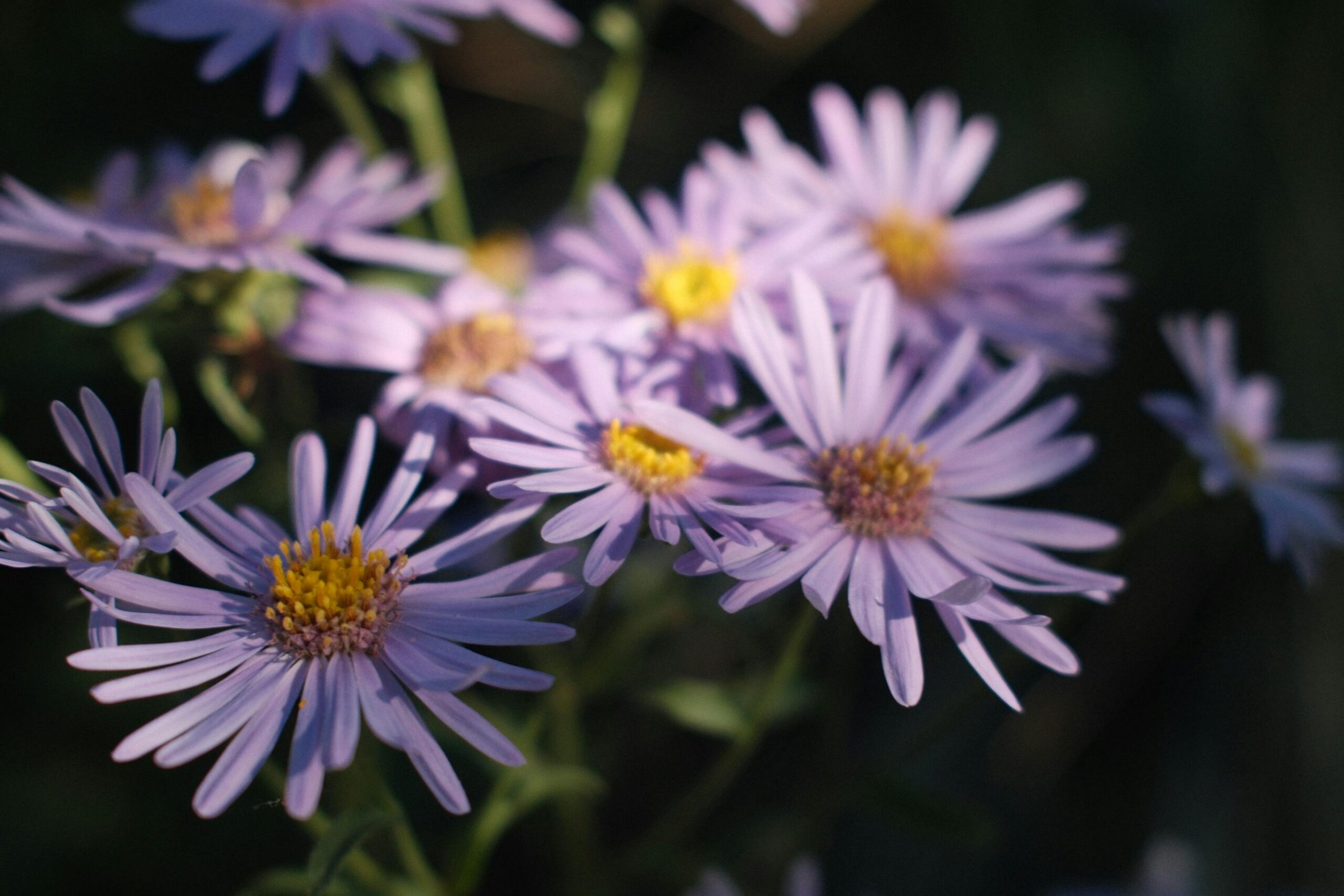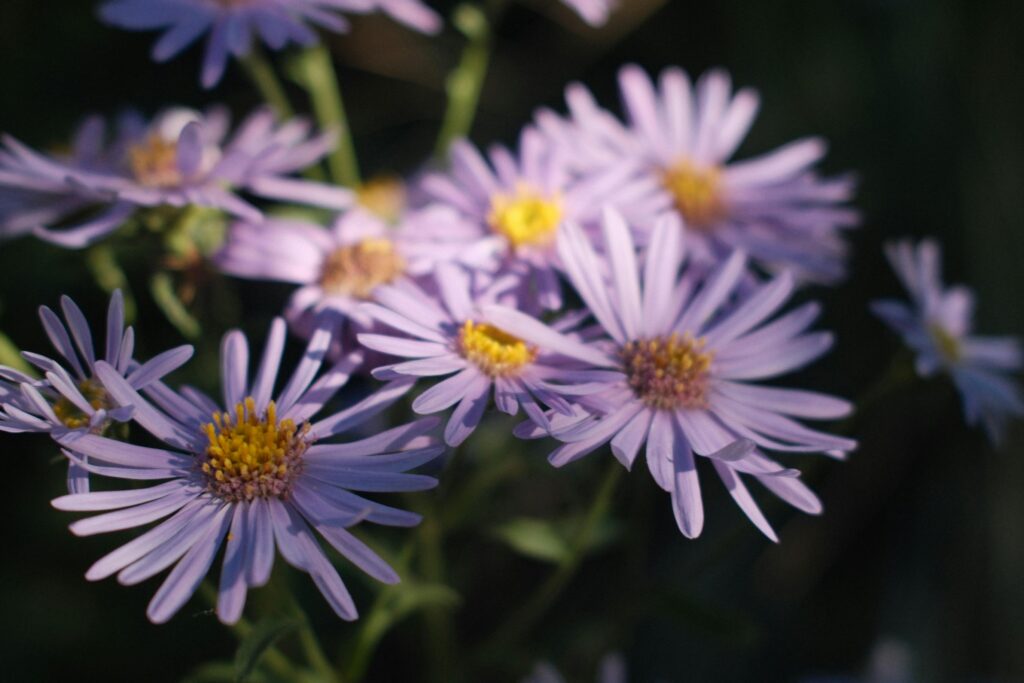


The Cosmos flower, scientifically known as Cosmos bipinnatus, is a graceful annual beloved for its delicate daisy-like blooms that sway in the gentlest breeze. Native to Mexico and Central America, Cosmos has traveled the world to become a cottage-garden staple. The name “Cosmos” comes from the Greek word kosmos, meaning “harmony” or “order,” and the flower is often associated with peace, balance, and natural beauty.
Cosmos flowers are prized for their ability to thrive even in poor soil, filling gardens with vibrant shades of pink, magenta, white, and crimson throughout the summer and fall. They are not just ornamental but also pollinator magnets, drawing bees, butterflies, and even hummingbirds, making them an essential part of eco-friendly gardens. Their airy foliage and cheerful blooms bring a sense of movement and lightness, transforming even the simplest spaces into colorful sanctuaries.
Growth Habit & Season
Cosmos is a warm-season annual, blooming best during late spring, summer, and autumn. Once established, they are hardy enough to handle drought and neglect, which is why gardeners often call them “plant and forget” flowers. The plant typically grows between 2–6 feet tall, depending on the variety, with slender stems and feathery, fern-like foliage that enhances the delicacy of its blooms.
In tropical and subtropical climates, Cosmos can bloom for most of the year, while in temperate regions, they are grown as annuals, completing their life cycle in a single growing season. Their long-lasting flowering season makes them ideal for succession planting, ensuring continuous color in borders, beds, and wildflower meadows.
Soil Needs
One of the most remarkable features of Cosmos is their ability to flourish in poor to average soils. Unlike many flowering plants that demand rich soil, Cosmos actually blooms more profusely in soil that is well-draining but not overly fertile. Excessive nutrients encourage leafy growth at the expense of flowers.
For best results, use loamy or sandy soil with a neutral to slightly alkaline pH (6.5–7.5). Adding CocoWing Talking Soil enhances structure and ensures that the soil holds just enough moisture without becoming waterlogged. Raised beds or borders enriched with compost and organic matter will support healthier root development, leading to sturdier plants and more prolific blooms.
Light & Watering
Cosmos thrives in full sun, requiring at least 6–8 hours of direct light daily to produce its signature blanket of flowers. In partial shade, the plants may survive, but flowering will be significantly reduced. Their sun-loving nature makes them perfect for open gardens, wildflower patches, and roadside plantings.
When it comes to water, Cosmos is remarkably drought-tolerant. Once established, water them only when the soil becomes dry to the touch. Overwatering can lead to root rot and leggy growth. In containers, however, they will need more regular watering since potted soil dries out faster. Always water at the base of the plant to avoid fungal issues on leaves and flowers.

Maintenance & Pruning
Cosmos is considered low-maintenance, but a few simple practices can greatly extend their flowering period:
- Deadheading: Removing spent flowers encourages the plant to redirect energy into producing more blooms instead of seeds.
- Pinching: Pinch back young plants when they are about 12–15 cm tall to promote bushier, sturdier growth.
- Staking: Taller varieties often benefit from light staking to prevent stems from flopping, especially in windy areas.
Cosmos requires little to no fertilizer, as overfeeding encourages excessive foliage. Instead, light mulching around the base with organic compost or Talking Soil keeps the roots cool and nourished naturally.
Propagation
Cosmos is most commonly grown from seeds, which germinate easily within 7–10 days when sown directly into prepared soil beds after the last frost. Direct sowing is preferred, as Cosmos seedlings dislike being transplanted due to their delicate root systems.
For continuous blooms, stagger sowing every 3–4 weeks ensures fresh waves of flowers throughout the season. In warm climates, Cosmos can also self-seed freely, returning year after year with minimal effort from the gardener.
Pests & Diseases
Though generally hardy, Cosmos can occasionally be affected by:
- Aphids & Thrips – which feed on new shoots and buds. Neem oil sprays or natural insecticidal soaps help control them.
- Powdery Mildew – often caused by overcrowding or high humidity. Planting with enough spacing ensures proper airflow.
- Slugs & Snails – may feed on seedlings, so young plants should be monitored closely.
With proper care and organic pest control practices, Cosmos remains largely problem-free.
Uses & Benefits
Beyond their ornamental appeal, Cosmos flowers offer a host of benefits:
- Pollinator Attractors: They lure bees, butterflies, and beneficial insects, supporting biodiversity in the garden.
- Cut Flowers: Their long stems and vibrant petals make them excellent for fresh bouquets.
- Wildflower Meadows: Perfect for naturalized settings, Cosmos creates a meadow-like effect with minimal maintenance.
- Symbolism: In the language of flowers, Cosmos represents harmony, peace, and resilience, making them meaningful additions to gardens and floral arrangements.
Talking Soil Tip
Mixing CocoWing Talking Soil into garden beds before sowing Cosmos seeds provides natural nutrients and improves soil texture. A light top-dressing every few weeks helps maintain consistent blooms without chemical fertilizers.