
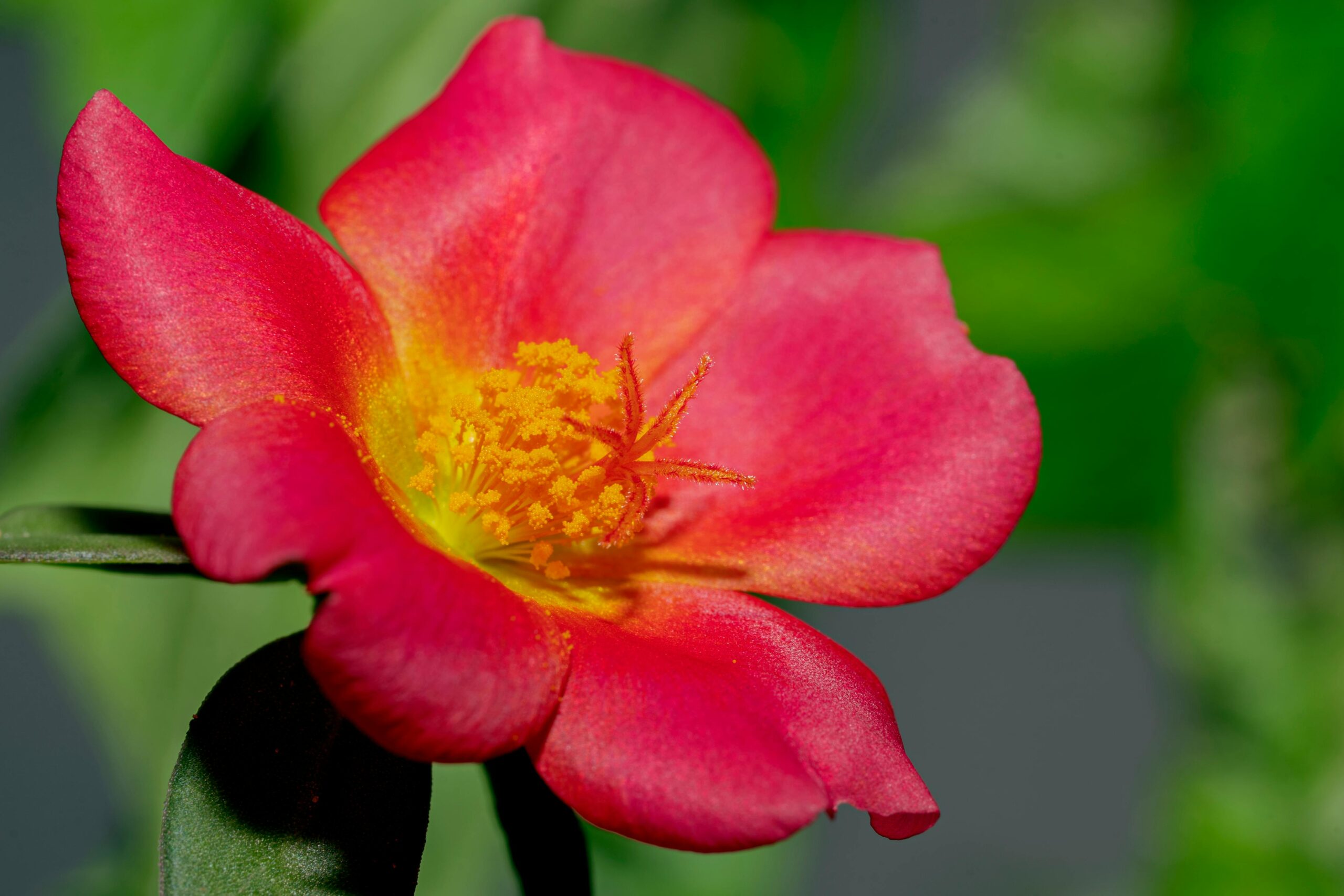
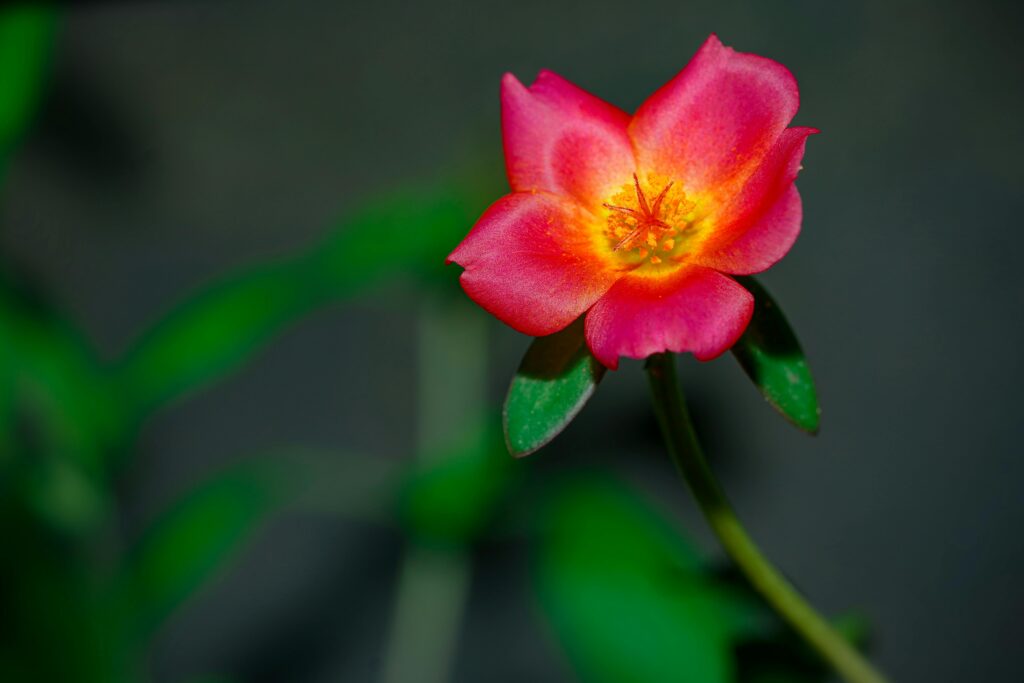
Portulaca, popularly known as Moss Rose, is a drought-tolerant, succulent flowering plant renowned for its bright, multi-colored blooms and low-maintenance nature. Native to South America, Portulaca thrives in warm climates and is a favorite for gardeners who want vibrant ground cover, container displays, or hanging baskets.
The flowers open in the sunlight and close at night or during overcast days, giving a dynamic, almost living quality to the garden. With colors ranging from pink, red, yellow, orange, white, to purple, Moss Rose provides a continuous display of cheerful blooms from summer through early autumn.
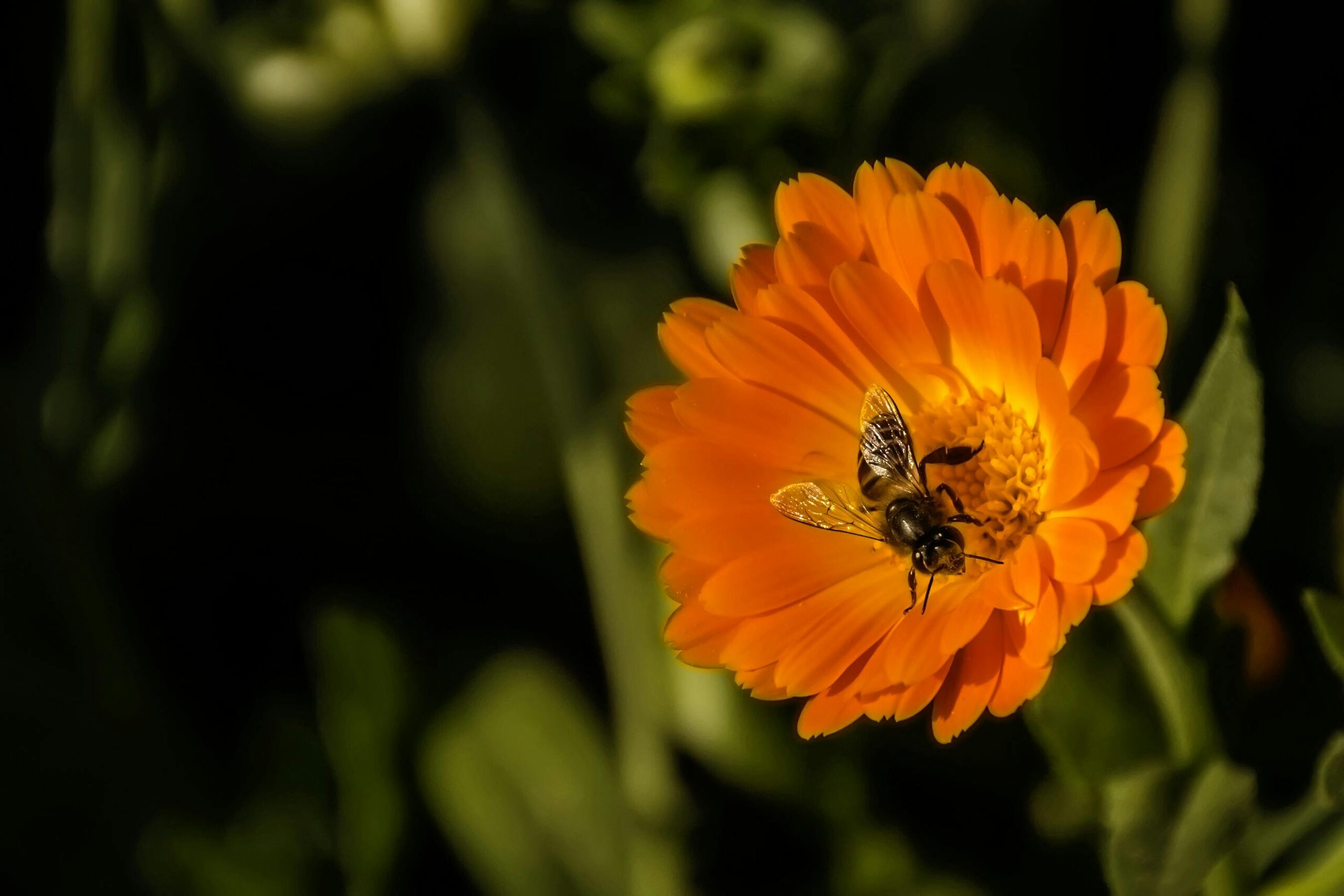
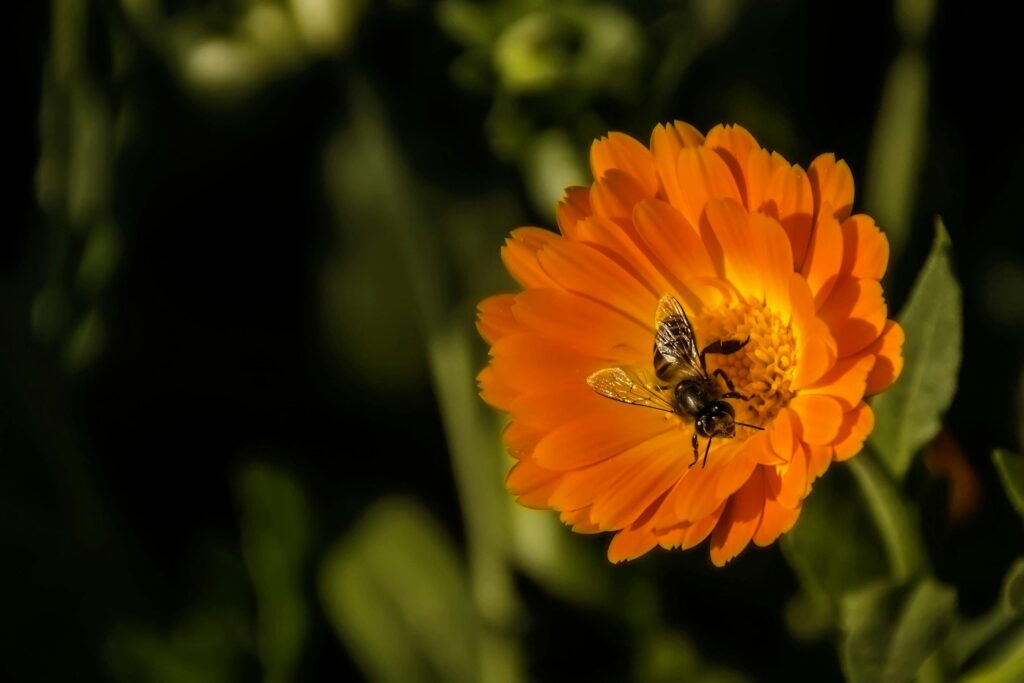
Besides ornamental value, Portulaca is pollinator-friendly, attracting bees and butterflies, while its succulent foliage makes it resilient to heat, drought, and poor soil conditions.
Season & Growth Habit
Portulaca is an annual, trailing succulent that grows in low mounds or sprawls over beds and containers.
- Blooming season: Late spring to early autumn, peaking in hot, sunny conditions.
- Growth habit: Low-growing, trailing stems with small, fleshy leaves. Each stem produces clusters of cup-shaped blooms.
- Height: Typically 10–15 cm, but the plant can spread 30–45 cm wide, forming a colorful carpet.
Its trailing habit makes it perfect for rock gardens, borders, hanging baskets, and container gardens, where the flowers cascade attractively.
Soil Needs
Portulaca thrives in well-draining, sandy, or loamy soil, with minimal fertility requirements.
- Soil type: Avoid waterlogged soil, as succulence makes the plant prone to root rot.
- pH range: Slightly acidic to neutral (6.0–7.0).
- Talking Soil advantage: CocoWing Talking Soil improves soil structure, provides slow-release nutrition, and ensures vibrant flowering even in less fertile soils.
Portulaca’s low soil demand makes it ideal for gardeners with poor or sandy soil areas.
Light & Watering
Portulaca is a sun-loving plant, requiring full sun for best growth and vibrant blooms.
- Sunlight requirement: At least 6–8 hours of direct sunlight daily. Flowers may fail to open or bloom sparsely in shade.
- Watering: Drought-tolerant; water moderately. Overwatering can lead to root rot, while underwatering rarely harms the plant, thanks to its succulent leaves.
- Mulching: Optional; a light mulch can help retain moisture during extremely hot weather but avoid waterlogging.
Maintenance & Care
Portulaca is naturally low-maintenance but benefits from:
- Deadheading: Remove spent blooms to encourage continuous flowering, although the plant self-cleans fairly well.
- Fertilization: Use CocoWing Talking Soil or a balanced organic fertilizer monthly to promote vigorous blooming.
- Pruning: Light trimming encourages bushier growth and fuller ground coverage.
- Pest inspection: Keep an eye out for aphids or snails, though pests are generally rare.
Its minimal care requirements make Portulaca perfect for beginner gardeners.
Propagation
Portulaca can be easily propagated through:
- Seeds: Sow directly in sunny beds; germination occurs in 7–14 days.
- Stem cuttings: Cut a healthy stem, allow it to callus, and plant in moist soil. Roots develop quickly, producing new plants within weeks.
Stem cuttings are ideal for quickly expanding garden coverage or filling containers.
Pests & Problems
Portulaca is generally pest-resistant but may occasionally encounter:
- Aphids: Infest new growth; control with neem oil.
- Mealybugs: Rare, but treat with insecticidal soap.
- Root rot: Prevent by ensuring well-draining soil and moderate watering.
Overall, the plant’s hardiness makes it a resilient choice for hot, sunny gardens.
Uses & Benefits
- Ornamental: Ideal for rock gardens, borders, hanging baskets, and colorful beds.
- Drought-tolerant landscaping: Perfect for xeriscaping and hot, sunny areas.
- Pollinator-friendly: Attracts bees, butterflies, and other beneficial insects.
- Container gardening: Thrives in pots, window boxes, or rooftop gardens.
Talking Soil Tip
Mix CocoWing Talking Soil into the planting area to enrich soil nutrients naturally. Monthly top-dressing supports bright, continuous blooms and healthy trailing growth.