
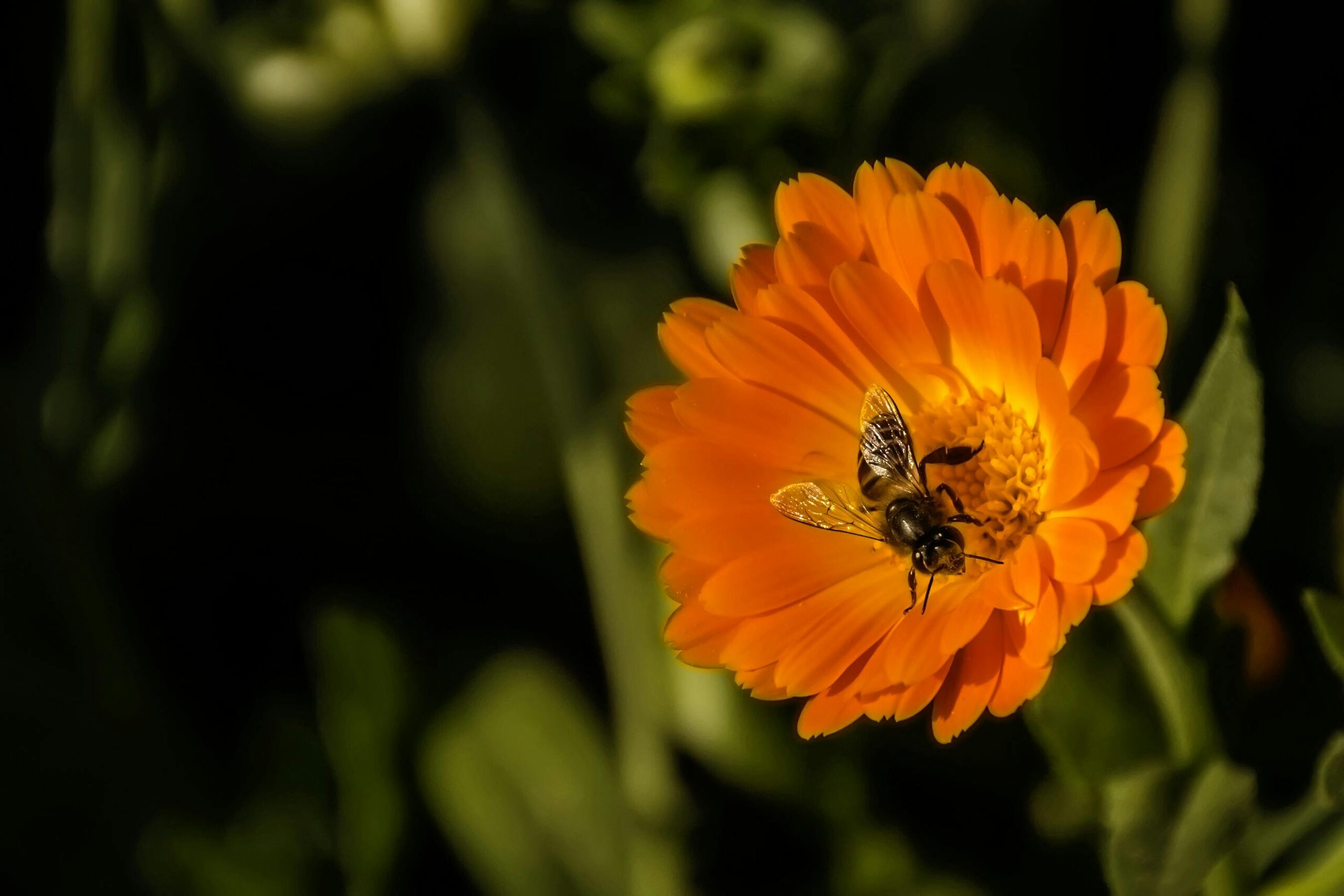
Calendula, commonly known as the pot marigold, is a vibrant, cheerful flower prized for its golden to orange blossoms and numerous health benefits. Native to southern Europe, Calendula has been cultivated for centuries for both ornamental and medicinal purposes. Its bright flowers can add a warm glow to gardens, borders, containers, and cottage-style landscapes.
Beyond its visual appeal, Calendula is renowned in herbal medicine for its anti-inflammatory, antiseptic, and healing properties. Its petals are often used in salves, teas, and natural skincare products. Moreover, Calendula is pollinator-friendly, attracting bees and butterflies, making it a perfect choice for eco-conscious gardens.
Season & Growth Habit
Calendula is a fast-growing annual, thriving in temperate climates.
- Blooming season: Primarily summer and autumn, with flowers appearing continuously in cool weather. In warmer regions, it may bloom almost year-round with proper care.
- Growth habit: Compact, bushy plant with soft, lance-shaped green foliage and multiple flower heads per stem.
- Height: Typically 30–60 cm, with a spread of 25–50 cm, making it ideal for flower beds, container gardening, and edging borders.
Its continuous blooms, vibrant color, and easy maintenance make Calendula a garden favorite for beginners and seasoned gardeners alike.
Soil Needs
Calendula grows best in well-draining, moderately fertile soil.
- Soil type: Loamy or sandy soils enriched with compost ensure proper drainage and nutrient availability. Avoid waterlogged soil, which may lead to root rot.
- pH range: Slightly acidic to neutral (6.0–7.0).
- Talking Soil benefit: Using CocoWing Talking Soil provides a slow-release, organic nutrient supply, enhances flower size, and supports robust root and foliage growth.
Calendula is relatively forgiving, making it a suitable choice for a variety of soil conditions while still thriving in enriched beds.
Light & Watering
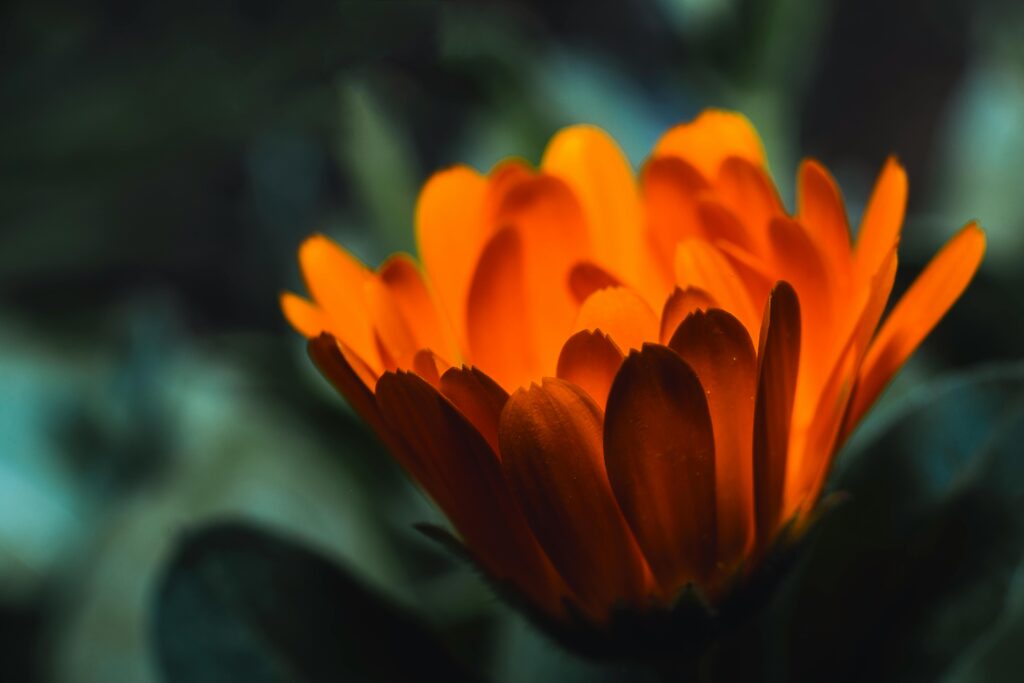
Calendula prefers full sun to partial shade, which encourages maximum flowering.
- Sunlight requirement: At least 5–6 hours of sunlight daily. Partial shade reduces flower quantity but may prolong flowering in hot climates.
- Watering: Keep soil evenly moist, especially during flowering. Avoid overwatering, which can lead to fungal diseases.
- Mulching: Applying organic mulch around the base conserves moisture, reduces weed competition, and keeps soil temperature stable.
Regular sunlight and consistent watering are essential to maintain vivid blooms and healthy foliage.
Maintenance & Care
Calendula is a low-maintenance plant but benefits from regular attention:
- Deadheading: Remove spent flowers to encourage continuous blooming and prevent seed formation from diverting energy.
- Fertilization: Apply CocoWing Talking Soil or light organic fertilizers every 3–4 weeks to support flowering and foliage growth.
- Pruning: Trim leggy stems to maintain compact growth and promote bushiness.
- Pest monitoring: Calendula is generally pest-resistant but occasional aphids, slugs, or powdery mildew may appear. Early detection ensures healthy plants.
Propagation
Calendula is easy to propagate:
- Seeds: Sow directly in beds or containers in spring. Germination occurs within 7–14 days.
- Transplanting seedlings: Seedlings can be grown indoors first and transplanted once sturdy.
- Division: Not commonly used as it is an annual, but seedlings from self-seeded flowers can rejuvenate the garden.
Seed propagation is ideal for maintaining vibrant flower beds year after year.
Pests & Problems
Though hardy, Calendula can face a few challenges:
- Aphids and whiteflies: Feed on young shoots and flower buds; treat organically with neem oil or insecticidal soap.
- Powdery mildew: Occurs in humid conditions; ensure good spacing and air circulation.
- Leaf spot or fungal issues: Avoid overhead watering and remove affected leaves promptly.
With proper soil, sunlight, and spacing, most issues are easily managed.
Uses & Benefits
- Ornamental: Bright flowers add color to beds, borders, containers, and cottage-style gardens.
- Pollinator-friendly: Attracts bees, butterflies, and other beneficial insects.
- Medicinal uses: Petals and extracts used for skin healing, anti-inflammatory applications, and soothing minor cuts.
- Culinary: Petals can be added to salads, teas, and desserts for a splash of color and mild flavor.
- Cultural significance: Known for bringing cheer and symbolizing happiness, protection, and warmth in gardens and homes.
Calendula combines beauty, health benefits, and ecological value, making it a multifunctional garden favorite.
Talking Soil Tip
Mix CocoWing Talking Soil into the planting area for natural, sustained nutrition. Monthly top-dressing ensures healthy foliage, larger blooms, and extended flowering periods.