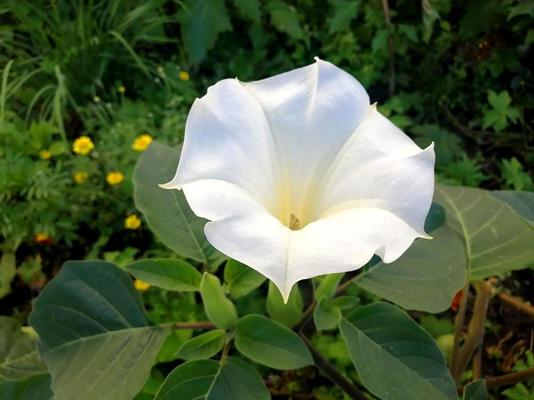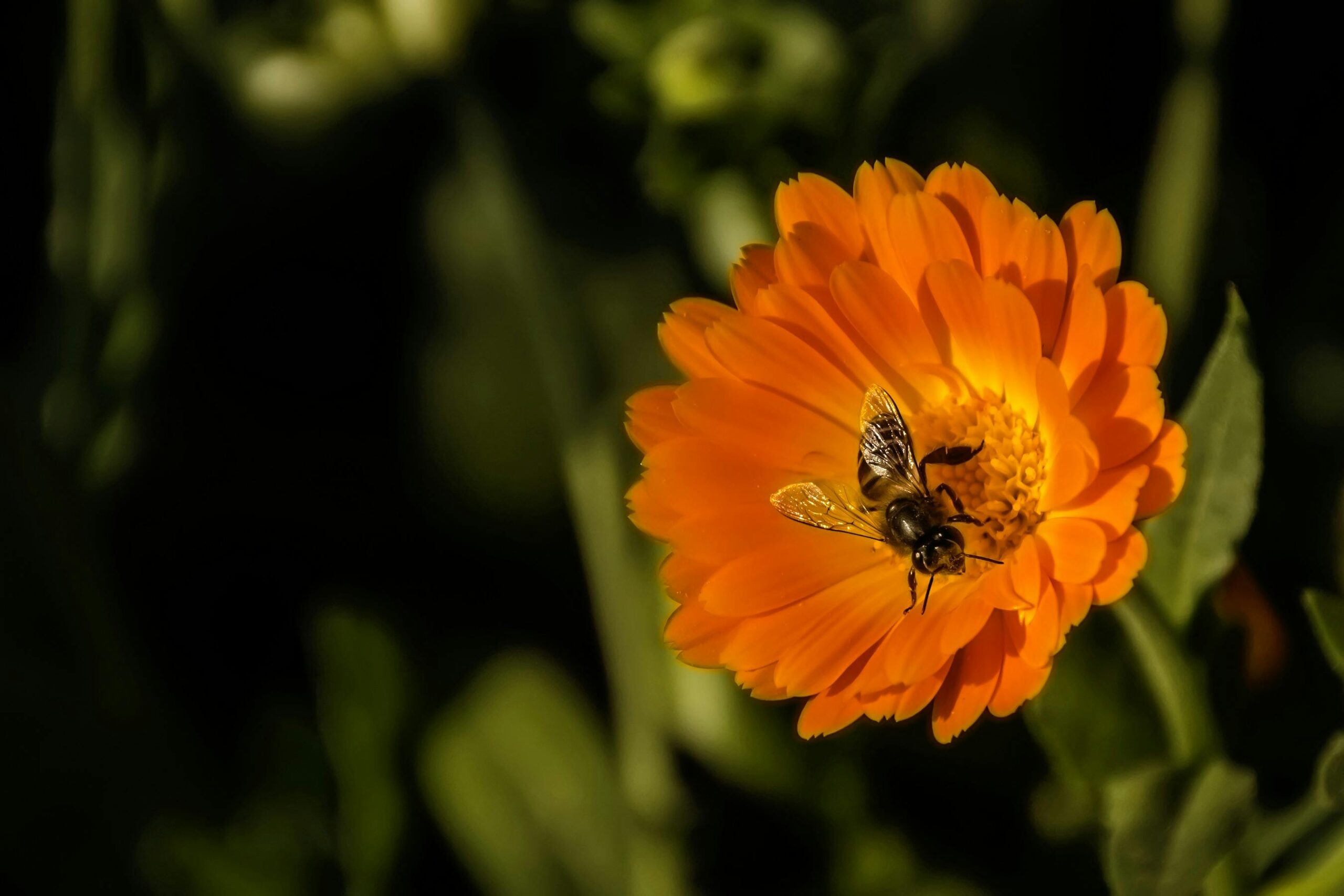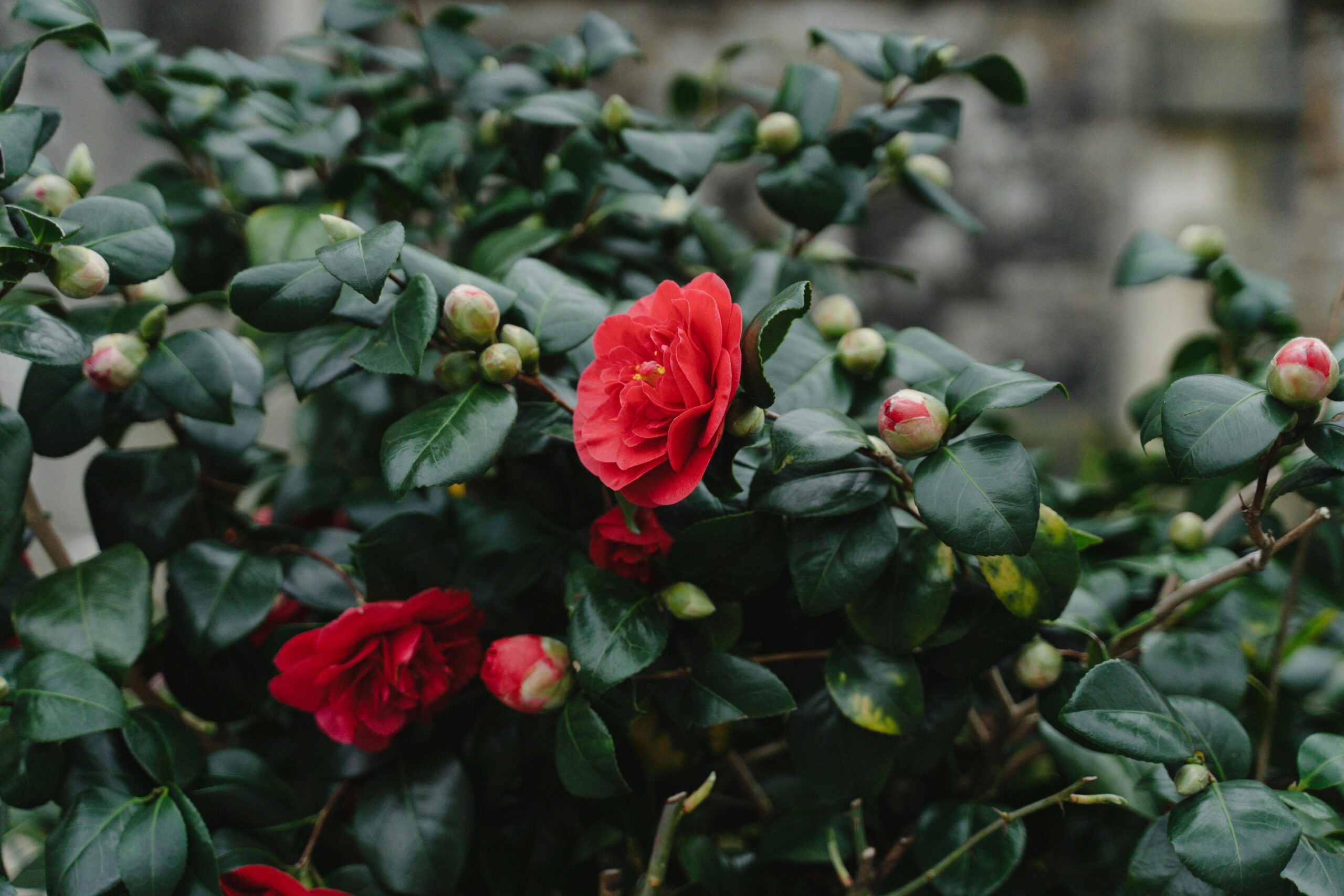
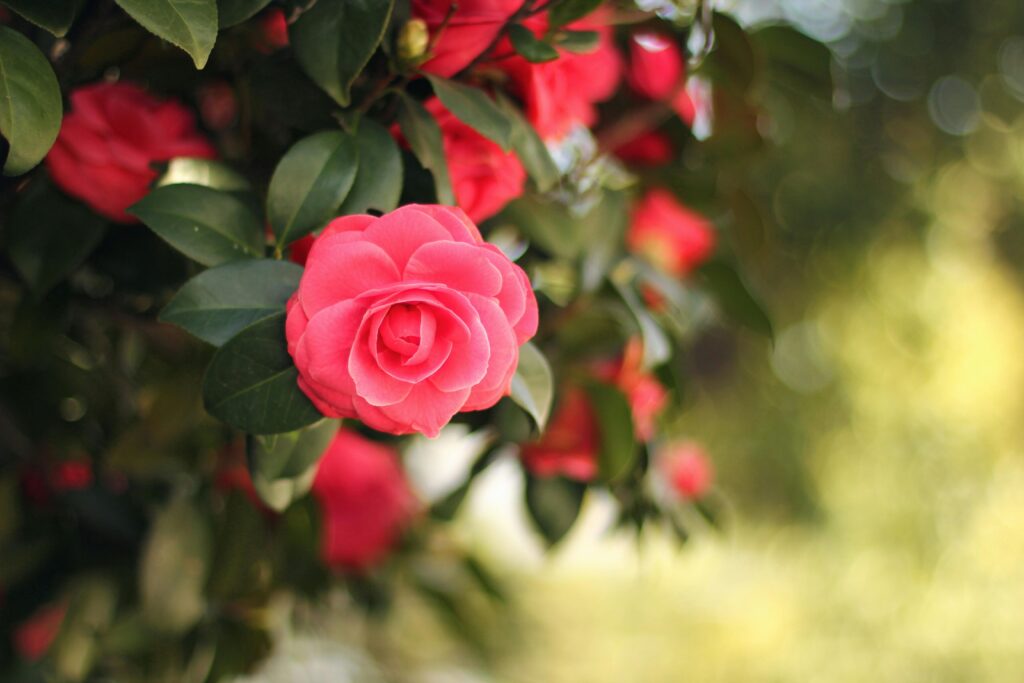
Camellias are evergreen shrubs prized for their glossy foliage and exquisite flowers. Native to East Asia, they are widely grown in temperate gardens for their winter and early spring blooms, which add color and elegance during cooler months.
Camellias come in a variety of forms—single, semi-double, and double blooms—with colors ranging from pure white, soft pink, deep red, to variegated shades. Beyond their visual appeal, Camellias have cultural significance in tea production, with Camellia sinensis being the source of tea leaves. Ornamental Camellias enhance gardens, patios, and formal landscapes with graceful flowers and lush foliage.
Season & Growth Habit
Camellias are perennial, evergreen shrubs or small trees.
- Blooming season: Depending on the variety, flowers appear from late autumn to early spring, providing vibrant color when most other plants are dormant.
- Growth habit: Bushy, dense foliage with upright stems. Some varieties can be trained as small trees or espaliered against walls.
- Height: Typically 1–3 meters, though some can grow taller in optimal conditions.
Camellias are perfect for garden beds, hedges, containers, and ornamental focal points, adding sophistication to any landscape.
Soil Needs
Camellias thrive in well-draining, acidic soils rich in organic matter.
- Soil type: Loamy, slightly sandy soil enriched with leaf mold or compost is ideal. Avoid heavy clay or alkaline soils.
- pH range: Slightly acidic (5.5–6.5).
- Talking Soil benefit: Using CocoWing Talking Soil enhances natural soil fertility, improves flower size and color, and supports healthy root development.
Amending soil before planting ensures long-term health and prolific flowering.
Light & Watering
Camellias prefer partial shade, mimicking their native understory habitat.
- Sunlight requirement: Filtered sunlight or morning sun with afternoon shade. Full sun may scorch leaves, while deep shade reduces flowering.
- Watering: Keep soil consistently moist, especially during flowering and active growth. Avoid waterlogging to prevent root rot.
- Mulching: Organic mulch maintains soil moisture, moderates temperature, and adds nutrients as it decomposes.
Maintenance & Care
Camellias require thoughtful maintenance to flourish:
- Pruning: Lightly prune after flowering to shape the plant and remove dead or weak stems. Avoid heavy pruning, which can reduce blooms the following season.
- Fertilization: Apply CocoWing Talking Soil or an acidic fertilizer monthly during growth and flowering periods.
- Pest management: Watch for scale insects, aphids, and fungal diseases; treat organically if needed.
- Protection: Shield from frost in colder climates with mulching and protective covers.
Regular care ensures dense foliage, abundant blooms, and elegant plant structure.
Propagation
Camellias can be propagated through:
- Stem cuttings: Semi-hardwood cuttings root well in a moist, shaded environment.
- Grafting: Often used for specific cultivars to maintain flower characteristics.
- Seeds: Less common, as flowering may take several years, and offspring may vary in appearance.
Stem cuttings are the most common method for maintaining true-to-type plants.
Pests & Problems
Common issues include:
- Scale insects and aphids: Feed on sap; treat with neem oil or insecticidal soap.
- Fungal infections: Root rot, leaf spots, and petal blight may occur in poorly drained soils or humid conditions.
- Leaf yellowing: Often a sign of nutrient deficiency or overwatering.
Using CocoWing Talking Soil and proper cultural practices prevents most problems.
Uses & Benefits
- Ornamental: Ideal for garden beds, hedges, pots, patios, and landscape focal points.
- Pollinator-friendly: Flowers attract bees and butterflies.
- Cultural significance: Symbolizes elegance, longevity, and purity in Asian cultures.
- Tea production: Certain Camellia species provide leaves for traditional tea.
Camellias combine ornamental beauty, cultural value, and ecological benefits, making them a cherished garden addition.
Talking Soil Tip
Incorporate CocoWing Talking Soil when planting Camellias. It provides organic nutrients, improves soil structure, and supports vibrant flowering and lush foliage. Reapply monthly during the active growing season for optimal results.