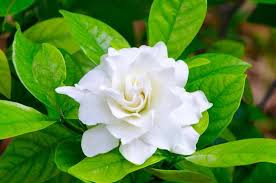

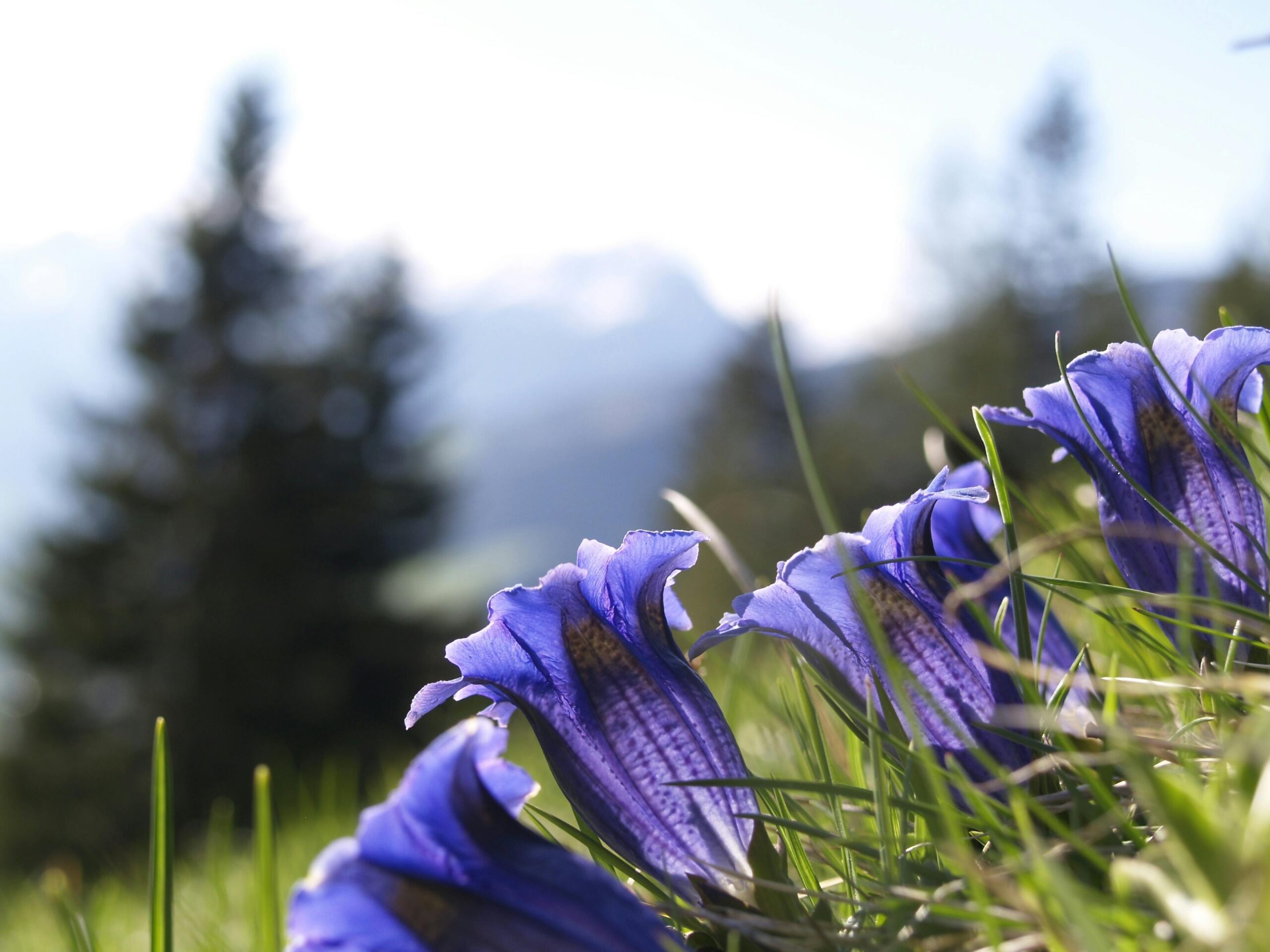
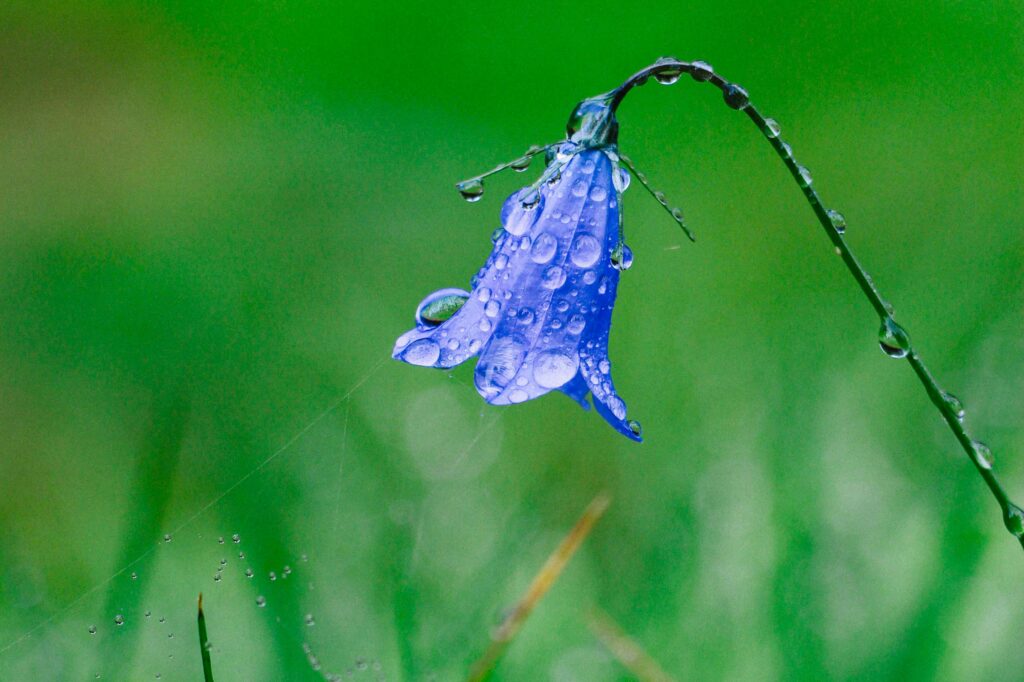
The Bell Flower (Campanula spp.), named after the Latin word campana meaning “little bell,” is admired worldwide for its delicate, bell-shaped blooms that nod gracefully on slender stems. With shades ranging from white and blue to violet and pink, these flowers add a touch of serenity and charm to both gardens and wild landscapes.
Bell Flowers are found across the Northern Hemisphere, from alpine meadows to woodland edges, and they have long been symbols of gratitude, humility, and everlasting love in folklore and floral traditions. Their versatility — thriving as ground covers, edging plants, or container beauties — makes them beloved by both home gardeners and landscapers.
Season & Growth Habit
Bell Flowers are generally perennials, though some species are annuals or biennials.
- Blooming season: Most Campanulas bloom from late spring to midsummer, with some varieties flowering well into autumn.
- Height: Varies widely, from low ground-hugging species at 15–20 cm to tall border varieties reaching up to 90 cm.
- Growth habit: Depending on the species, they can form mats, clumps, or upright spikes adorned with bell-shaped blossoms.
- Colors: Shades of blue, purple, white, and pink, often with a delicate pastel quality.
Soil Needs & Planting
Bell Flowers thrive in moist, well-drained, fertile soil with a preference for slightly alkaline conditions.
- Garden planting: Work in compost or leaf mold before planting for added fertility.
- Container planting: Use a mix of garden soil + compost + perlite/sand for aeration.
- Talking Soil benefit: Incorporating CocoWing Talking Soil provides balanced organic nutrition, supports steady root growth, and keeps the soil structure airy, which is crucial for these perennials.
Spacing depends on the species: compact varieties need only 15–20 cm, while taller types may need 30–40 cm.
Sunlight & Watering
Bell Flowers prefer full sun to partial shade. While sun exposure encourages abundant blooms, some varieties — especially woodland species — do well in light shade.
- Watering: Keep soil evenly moist, particularly during active growth and flowering.
- Overwatering risk: Excess water can cause root rot, so ensure drainage is good.
- Mulching: Mulch helps retain soil moisture and keeps roots cool during hot months.
Maintenance & Care
Caring for Bell Flowers involves a balance of pruning, feeding, and seasonal upkeep:
- Deadheading: Regularly remove spent blooms to encourage continuous flowering.
- Fertilization: Use CocoWing Talking Soil or organic flower feed every 4–6 weeks during bloom season.
- Cutting back: After flowering, many varieties benefit from being cut back to encourage fresh growth.
- Winter care: In colder climates, protect plants with a mulch layer to shield roots from frost.
Propagation
Bell Flowers can be propagated in several ways:
- Seeds: Best sown in spring, though they may take 2–3 years to flower.
- Division: Clump-forming species can be divided every 2–3 years in spring or autumn.
- Cuttings: Some species root well from basal cuttings.
Propagation ensures that these blooms continue brightening gardens for many seasons.
Pests & Problems
While generally hardy, Bell Flowers can occasionally face:
- Slugs and snails that feed on young shoots.
- Powdery mildew in damp, humid conditions.
- Aphids on flower spikes.
Maintaining good air circulation and balanced soil nutrition with Talking Soil helps reduce vulnerability.
Benefits & Uses
Bell Flowers are valued for multiple purposes:
- Ornamental use: Stunning in borders, rock gardens, containers, and ground cover plantings.
- Symbolism: Associated with gratitude, humility, and eternal love, often gifted in bouquets.
- Cut flowers: Long-lasting when used in floral arrangements.
- Ecological value: Attracts bees, butterflies, and pollinators, supporting garden biodiversity.
In traditional herbal uses, some Campanula species were brewed into teas for mild medicinal purposes, though their main role today remains ornamental.
Talking Soil Tip
Apply CocoWing Talking Soil every 4–6 weeks during the growing and blooming season to keep Bell Flowers thriving. Its organic nutrients strengthen roots, enhance bloom intensity, and maintain healthy soil balance.