
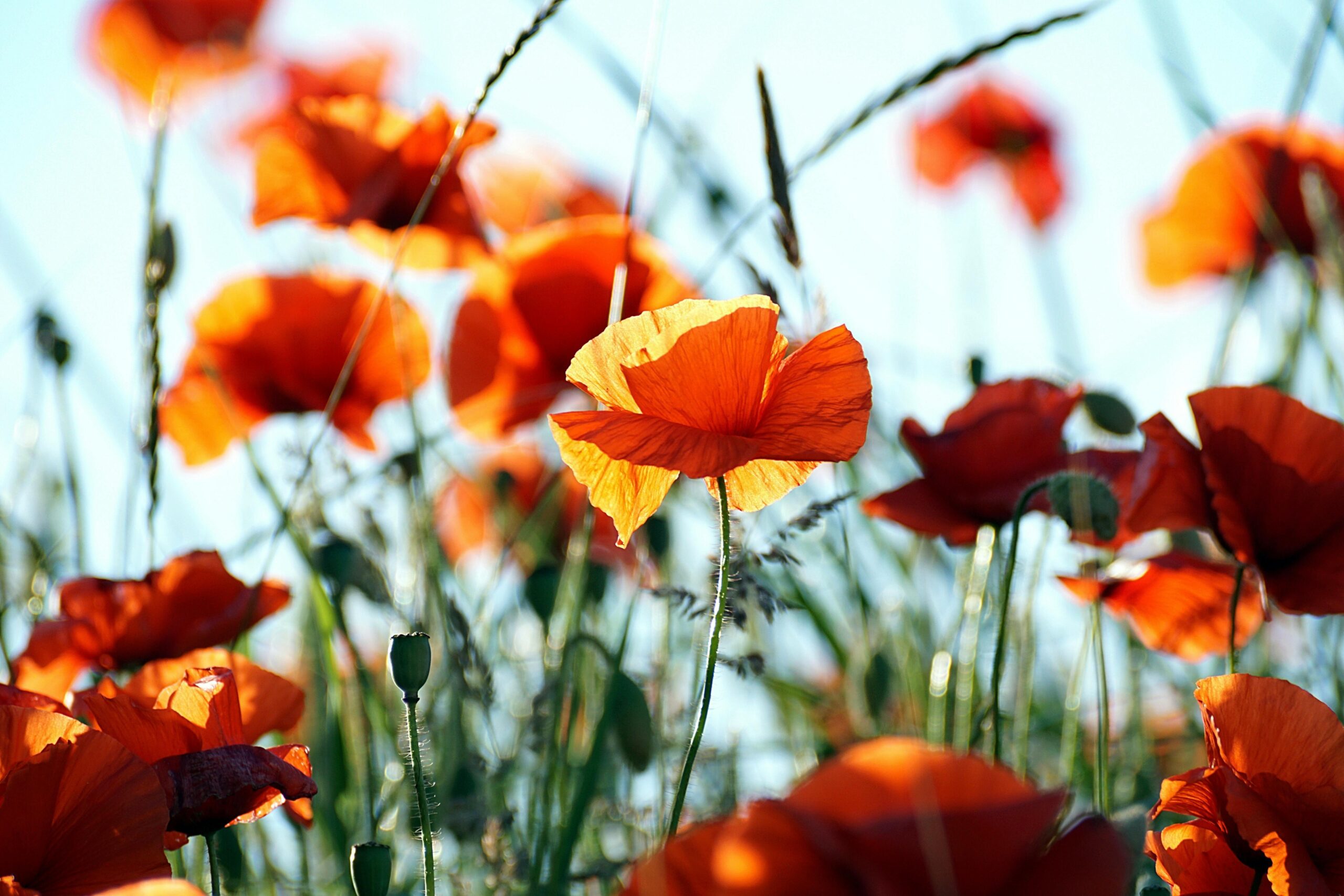
Few flowers are as poetic as the poppy. With its delicate, tissue-paper petals and bold red, orange, pink, or even white blooms, poppy symbolizes remembrance, peace, and beauty. It’s a favorite of artists, poets, and gardeners alike.
Poppies are cool-season annuals that thrive with little fuss — making them perfect for home gardeners who want maximum color with minimal maintenance. With the right soil preparation and a sprinkle of CocoWing Talking Soil, you can enjoy waves of blooms that dance in the breeze.
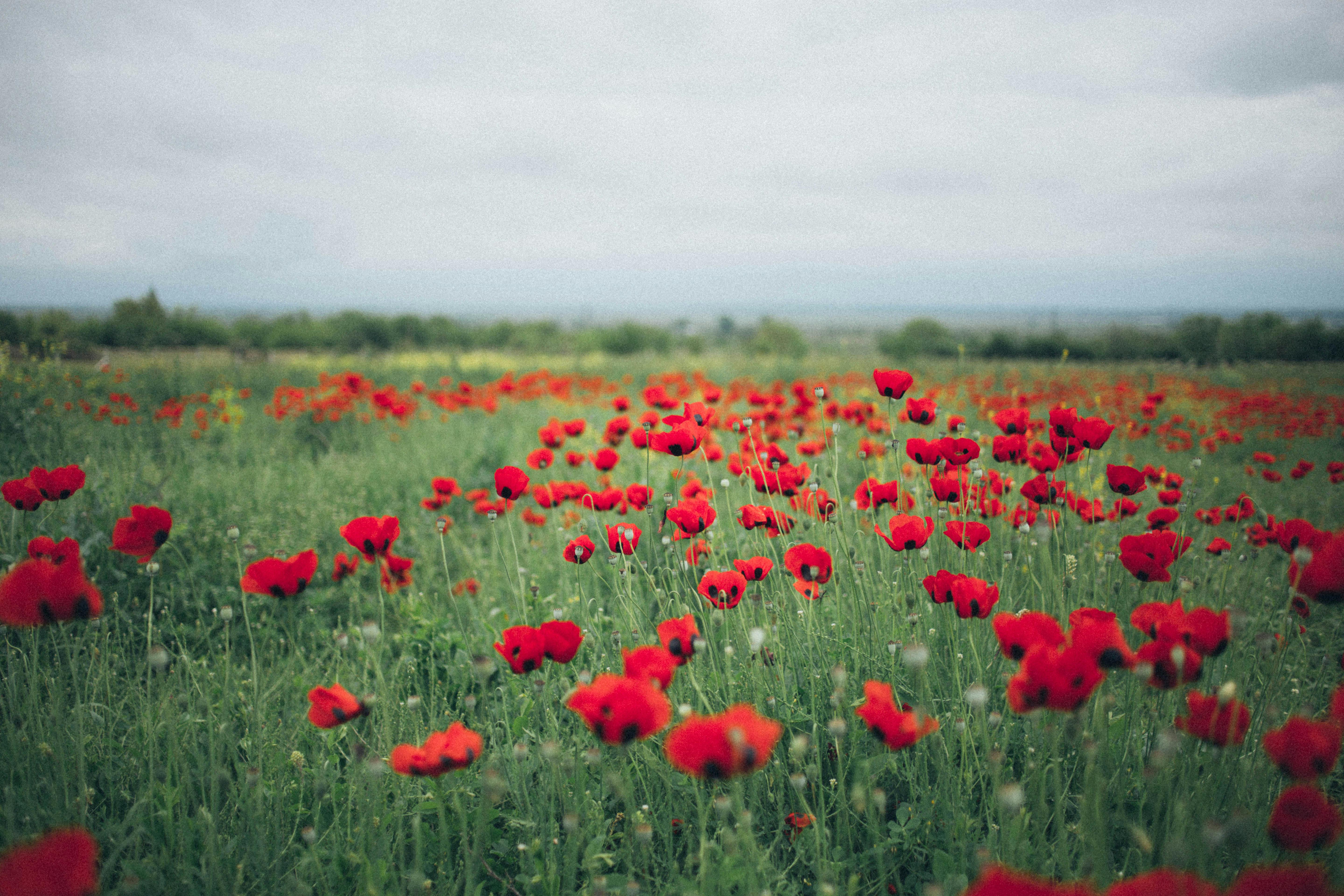
🌸 Best Season for Poppies
- Sowing Season:
- North India: October–November (for winter blooms)
- South India: September–December
- Blooming Season: Late winter to early summer (January–April)
🌳 Type of Plant
Poppies are annuals — they complete their lifecycle in one season but self-seed easily, so you’ll see volunteers popping up next year if conditions are right.
🌍 Soil Needs – Talking Soil Tip
Poppies love light, well-draining soil with moderate fertility.
- Avoid heavy clay soil — it causes root rot.
- Do not over-fertilize — too much nitrogen produces leaves instead of flowers.
Ideal Soil Mix:
- 50% garden loam
- 30% sand
- 20% CocoWing Talking Soil (adds gentle nutrition and improves drainage)
💡 Talking Soil keeps soil light, boosts germination rate, and promotes stronger flower stalks.
☀️ Light Requirements
Poppies thrive in full sun — at least 6–8 hours daily.
Partial shade can reduce blooming and cause lanky growth.
💧 Watering
- Keep soil lightly moist during seed germination.
- Once plants are established, poppies prefer slightly dry soil — they are drought-tolerant.
- Water deeply once a week if there’s no rain.
Watch for Signs:
- Underwatering: Drooping stems, dry flower buds.
- Overwatering: Yellow, floppy leaves and root rot.
🪴 Best Pots & Beds
- Poppies prefer direct sowing in flower beds — they don’t transplant well.
- For containers, choose a wide, shallow terracotta or bio-fiber pot (minimum 10–12 inches deep).
🌿 Propagation
- Seeds: Sow directly in soil, sprinkle lightly, and press (don’t cover — they need light to germinate).
- Self-Seeding: Allow spent flowers to dry on the plant — they’ll reseed naturally.
✂️ Special Care & Maintenance
- Thin Seedlings: Keep 6–8 inches apart for better air circulation.
- Deadheading: Remove spent blooms to prolong flowering season.
- Mulching: Apply light organic mulch to suppress weeds and retain moisture.
🌼 Uses & Benefits
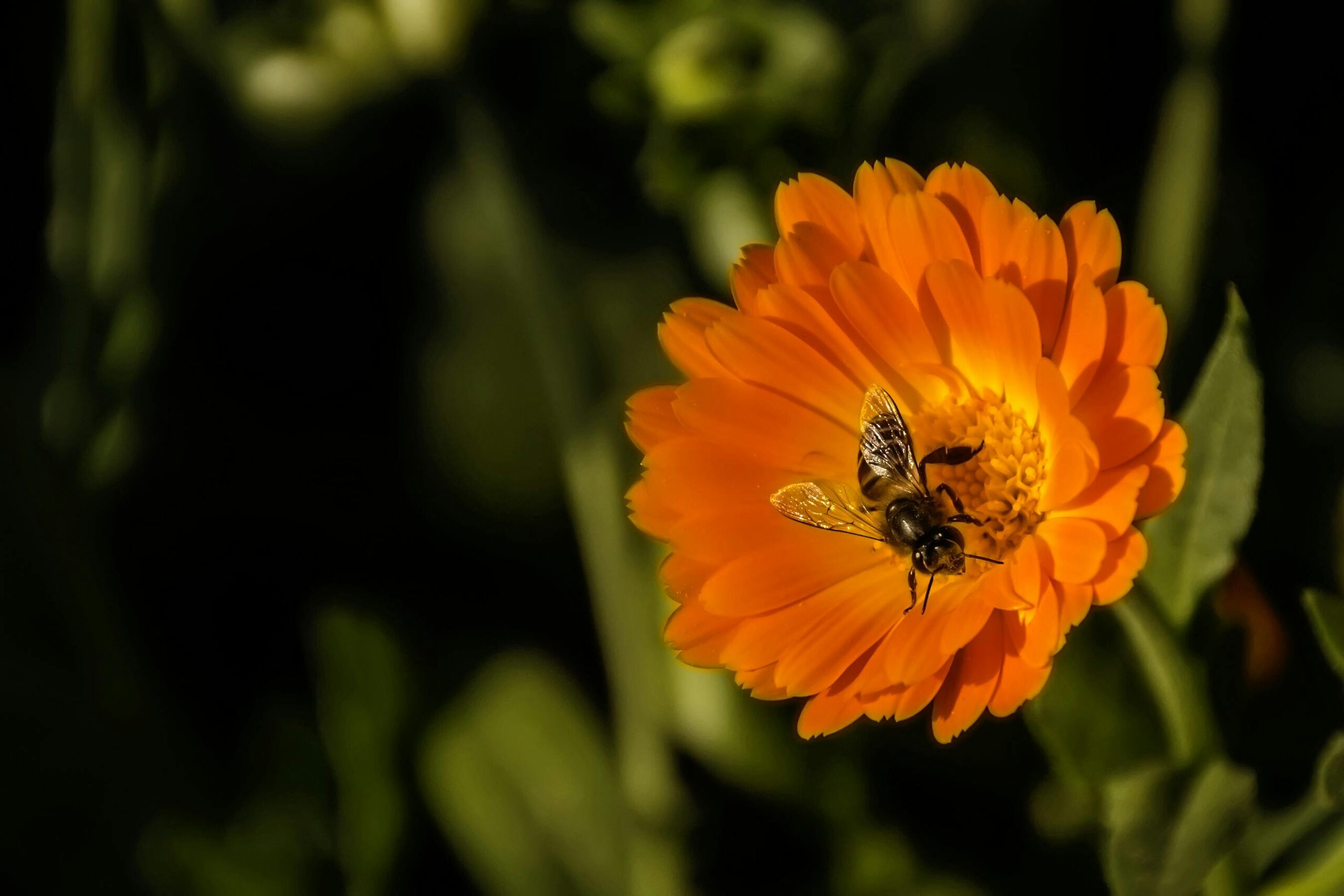
- Pollinator-Friendly: Attracts bees, butterflies, and beneficial insects.
- Symbolism: Represents remembrance, peace, and sleep.
- Cut Flowers: Makes beautiful, short-lived arrangements when cut in bud stage.
- Edible Seeds: Culinary poppy seeds (from some varieties) are used in baking.
🐛 Pests & Diseases
- Aphids: Spray with neem oil solution.
- Powdery Mildew: Ensure good airflow, avoid overhead watering.
- Slugs/Snails: Use organic slug traps around young plants.
🌱 Talking Soil Final Tip
Mix CocoWing Talking Soil into the top layer at sowing time and again mid-season. It gently nourishes the plants, resulting in more vibrant blooms and stronger stems.