
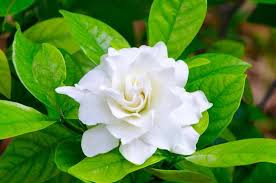
Gardenias are among the most treasured flowering shrubs in horticulture, renowned for their glossy evergreen foliage and intoxicatingly fragrant white blooms. Native to tropical and subtropical Asia and Africa, Gardenias have been cultivated for centuries in Asian gardens and European glasshouses, admired both for their elegance and fragrance.
In the garden, Gardenias are not only ornamental but also culturally significant, symbolizing purity, love, and refinement. Their flowers are widely used in perfumes, garlands, and traditional ceremonies, and their lush foliage provides year-round greenery.
Gardenias thrive in warm climates but can also be grown indoors in pots, making them versatile for gardeners who value beauty, fragrance, and sophistication.
Season & Growth Habit
Gardenias are evergreen perennial shrubs with a compact, bushy growth habit.
- Blooming season: Typically late spring to summer, with some varieties blooming intermittently throughout the year in tropical regions.
- Growth habit: Rounded shrubs with dense, glossy leaves and waxy, star-shaped flowers.
- Height: Ranges from 60 cm to 2 meters, depending on the variety and growing conditions.
Their ability to bloom profusely during the warmer months makes them a favorite for patios, courtyards, and entryways.
Soil Needs
Gardenias are acid-loving plants that demand rich, well-draining soil.
- Soil type: Loamy, acidic soil enriched with organic matter. Avoid alkaline soils, which lead to yellowing leaves (chlorosis).
- pH range: Ideally 5.0–6.0.
- Talking Soil advantage: CocoWing Talking Soil improves soil structure, maintains acidity, and provides essential micronutrients, ensuring deep green foliage and prolonged blooms.
Proper soil preparation ensures Gardenias retain their vibrant leaves and intense fragrance.

Light & Watering
- Light requirement: Gardenias prefer bright, indirect sunlight or morning sun with afternoon shade. Too much direct sun can scorch leaves, while too little light hinders flowering.
- Watering: They require consistent moisture, with soil kept evenly damp but never soggy. Overwatering causes root rot, while underwatering results in bud drop.
- Humidity: High humidity is essential—mist leaves regularly or place pots near a pebble tray with water.
Gardenias thrive in humid, warm environments, making them excellent for tropical and subtropical gardens.
Maintenance & Care
Gardenias require attentive care to flourish:
- Pruning: Lightly prune after flowering to maintain shape and encourage branching.
- Fertilization: Feed with CocoWing Talking Soil or acid-loving plant fertilizer during the growing season. Iron supplements may be needed to correct leaf yellowing.
- Temperature: Sensitive to cold; protect plants during winter or grow in containers for easy movement.
- Pest monitoring: Gardenias can attract scale insects, aphids, and whiteflies. Neem oil or insecticidal sprays help keep pests under control.
Regular care ensures lush, green foliage and abundant, fragrant blossoms.
Propagation
- Cuttings: The most reliable method. Semi-hardwood cuttings taken in late spring or summer root readily with proper humidity.
- Layering: Another effective method for producing strong, independent plants.
- Seeds: Rarely used, as they are slow to germinate and may not maintain parent plant traits.
Propagation by cuttings ensures a true-to-type, healthy plant.
Pests & Problems
Common issues include:
- Yellowing leaves: Often caused by iron deficiency or alkaline soil.
- Bud drop: Result of inconsistent watering, low humidity, or sudden temperature changes.
- Insect pests: Aphids, scale, and mealybugs feed on sap and weaken plants.
Consistent care, high humidity, and Talking Soil enrichment reduce these problems significantly.
Uses & Benefits
- Ornamental: Perfect for gardens, patios, and indoor decoration.
- Fragrance: Gardenia flowers are among the most fragrant in the plant world, used in perfumery.
- Cultural use: Widely used in weddings, religious ceremonies, and as garlands.
- Indoor plant: When grown in pots, Gardenias enhance interiors with both greenery and fragrance.
Talking Soil Tip
Apply CocoWing Talking Soil around the root zone every 3–4 weeks. This maintains soil acidity, prevents nutrient deficiencies, and promotes lush foliage and abundant blossoms.