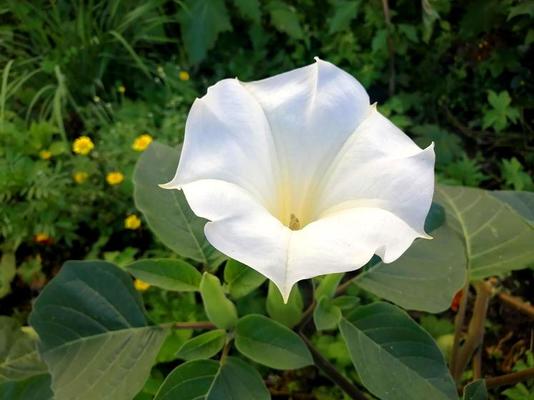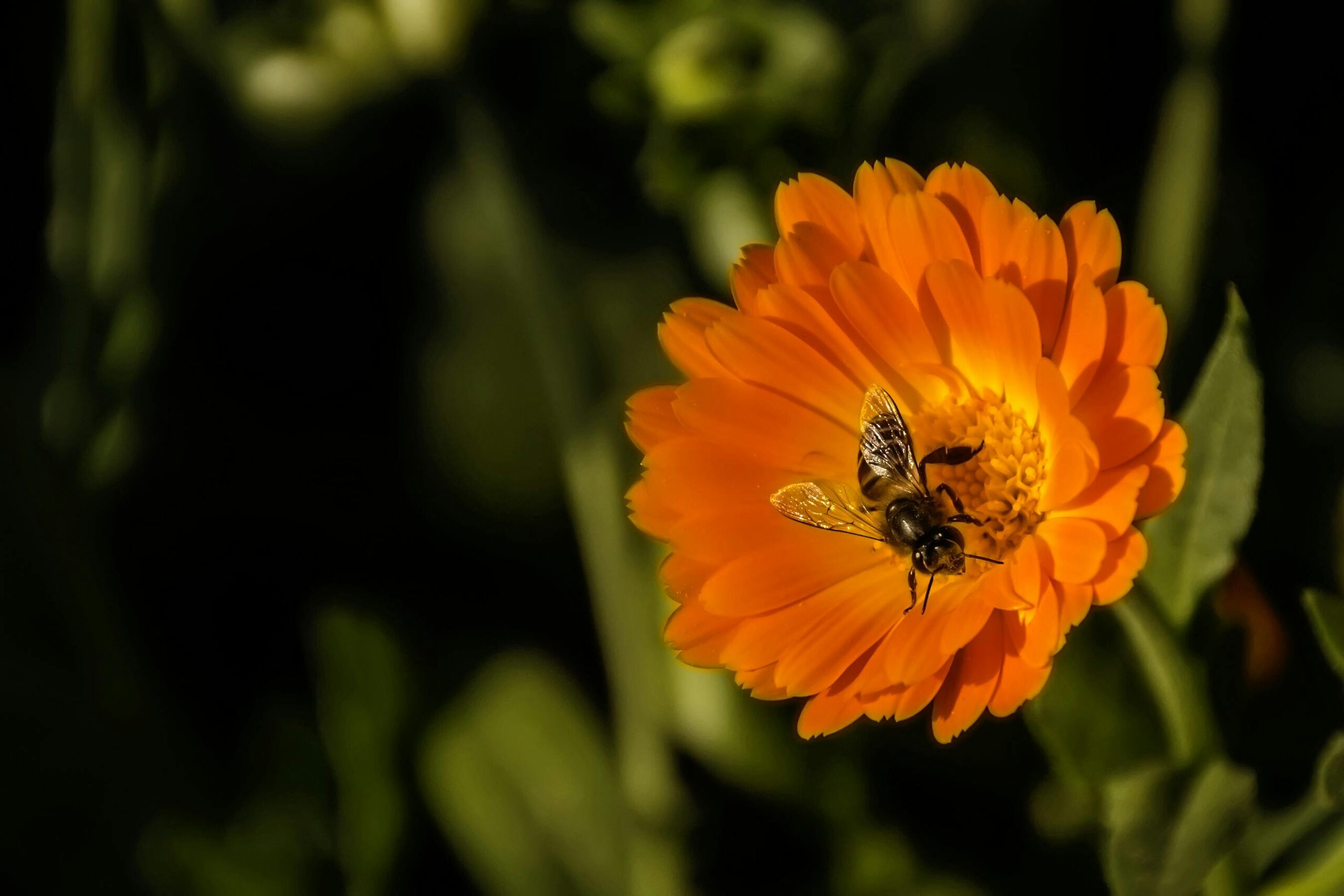


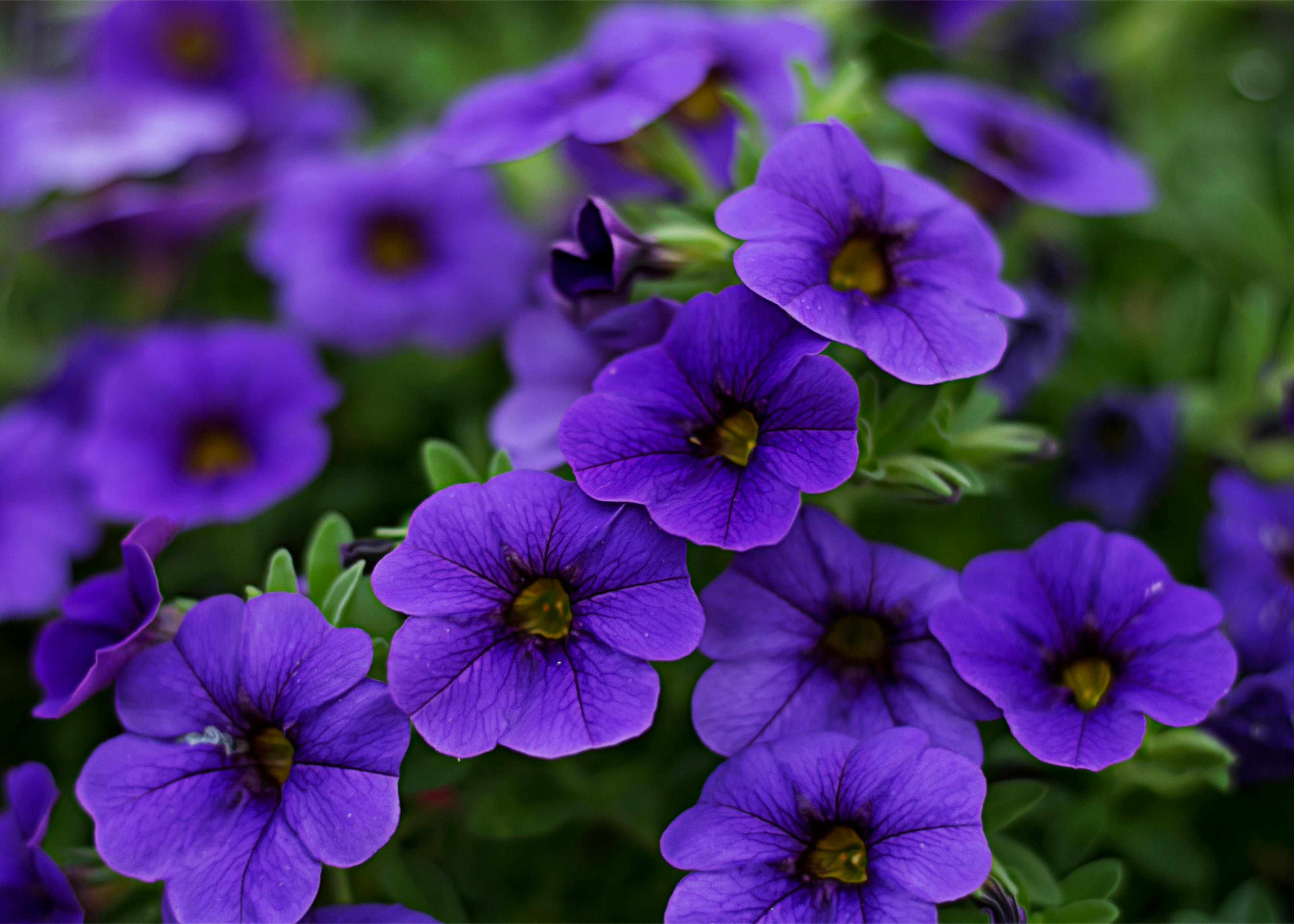
If there’s one flower that instantly brings joy to a garden, it’s the petunia. Its trumpet-shaped blooms in shades ranging from deep violet and fiery reds to soft pastels and pure whites can turn any garden bed, balcony box, or hanging basket into a vibrant, lively space. Beyond their visual appeal, petunias are pollinator magnets, attracting bees, butterflies, and even hummingbirds. For gardeners who want a low-maintenance plant that delivers months of nonstop color, understanding Petunia care is the key to keeping them healthy, bushy, and flowering profusely.
🌸 Season & Blooming
Petunias are warm-season bloomers that flourish from spring through early winter in mild climates. The first flowers usually appear in late spring, and with proper care, plants can keep blooming well into the cooler months. They thrive in full sun, but in extremely hot regions, a little afternoon shade prevents flowers from wilting or scorching. A crucial tip for maximizing flowering is deadheading — removing faded blooms encourages the plant to produce more flowers rather than putting energy into seed production. For gardeners who love continuous color, combining trailing varieties for hanging baskets with compact types for beds creates a layered, dynamic display that keeps your garden lively all season.
🌍 Soil & Planting
Petunias need well-draining, fertile soil. They don’t like “wet feet,” which can lead to root rot or fungal problems. A mix of garden soil, compost, and cocopeat works perfectly. For containers, a lightweight potting mix ensures proper drainage. CocoWing Talking Soil can be incorporated at planting or as a top-dress every few weeks to provide natural, slow-release nutrients. This boosts root development, strengthens the plant’s natural defenses, and prolongs flowering. Planting petunias in slightly raised beds or pots with good drainage also prevents waterlogging during heavy rains, keeping the roots healthy and robust.
☀️ Sunlight & Watering
Sunlight is crucial: petunias need at least 5–6 hours of direct sunlight daily for maximum flowering. Lack of sunlight results in leggy growth and fewer blooms. Watering should be deep and consistent but allow the top layer of soil to dry slightly between sessions. Container-grown petunias may need daily watering during hot spells, while garden bed petunias may be fine with every other day. Overwatering can lead to yellowing leaves and root rot, whereas underwatering causes drooping stems and fewer flowers. A helpful tip: water in the morning to allow foliage to dry during the day, which prevents fungal growth. Mulching around garden bed petunias keeps the soil moist, prevents weeds, and regulates temperature — all contributing to stronger plants and longer flowering.
✂️ Maintenance & Propagation
Maintaining petunias is simple but rewarding. Pinching back long, leggy stems encourages bushier growth and increases the number of flowering tips. Deadheading spent blooms is essential for continuous flowering; leaving old flowers encourages the plant to focus on seeds instead of new buds. Propagation is straightforward: seeds can be started indoors 8–10 weeks before the last frost, while soft stem cuttings root easily in moist, sandy soil. For container plants, regular fertilization with organic feeds or CocoWing Talking Soil promotes vigorous growth, fuller foliage, and brighter flowers. Pruning at the end of the season keeps the plant compact and prepares it for the next growing cycle.
🐛 Pests & Problems
Petunias are generally hardy, but some common pests include aphids, whiteflies, and spider mites. Signs include sticky leaves, curled foliage, or tiny white spots on the leaves. A gentle spray of neem oil or insecticidal soap every 2–3 weeks usually resolves infestations. Fungal issues like powdery mildew can appear in humid climates or when plants are overcrowded; ensuring proper spacing, good airflow, and avoiding overhead watering can prevent this. Healthy soil enriched with Talking Soil strengthens plant immunity, making them less prone to diseases. Early detection and consistent care are the best strategies to maintain lush, pest-free petunias.
🌼 Benefits & Uses
Petunias are more than just beautiful; they’re functional, versatile, and highly rewarding. They fill flower beds, brighten balcony boxes, and add charm to hanging baskets. Their bright blooms attract pollinators, which help other plants in your garden thrive. Petunias also work wonderfully in mixed borders, combining with other summer bloomers to create vibrant, multi-textured displays. For urban gardeners, petunias in containers offer a splash of color even in small spaces. They’re perfect for beginners, as they provide months of visual reward with relatively simple care.
🌱 Talking Soil Tip
Top-dress your petunias with CocoWing Talking Soil every 6–8 weeks. This naturally feeds the plants, strengthens roots, and encourages a longer blooming period. Think of it as giving your garden a slow-release energy boost — healthier plants, brighter flowers, and more enjoyment for you!