
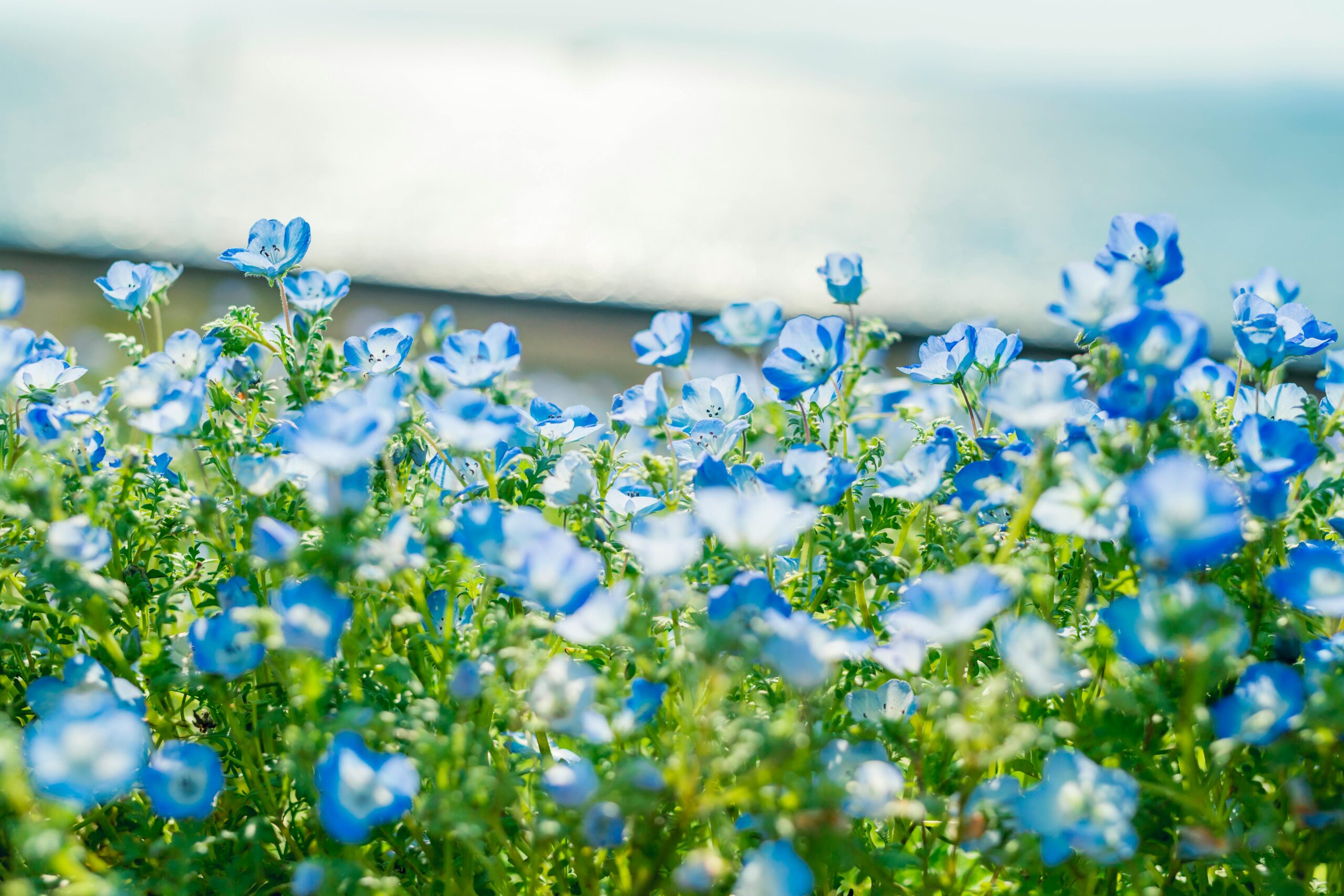
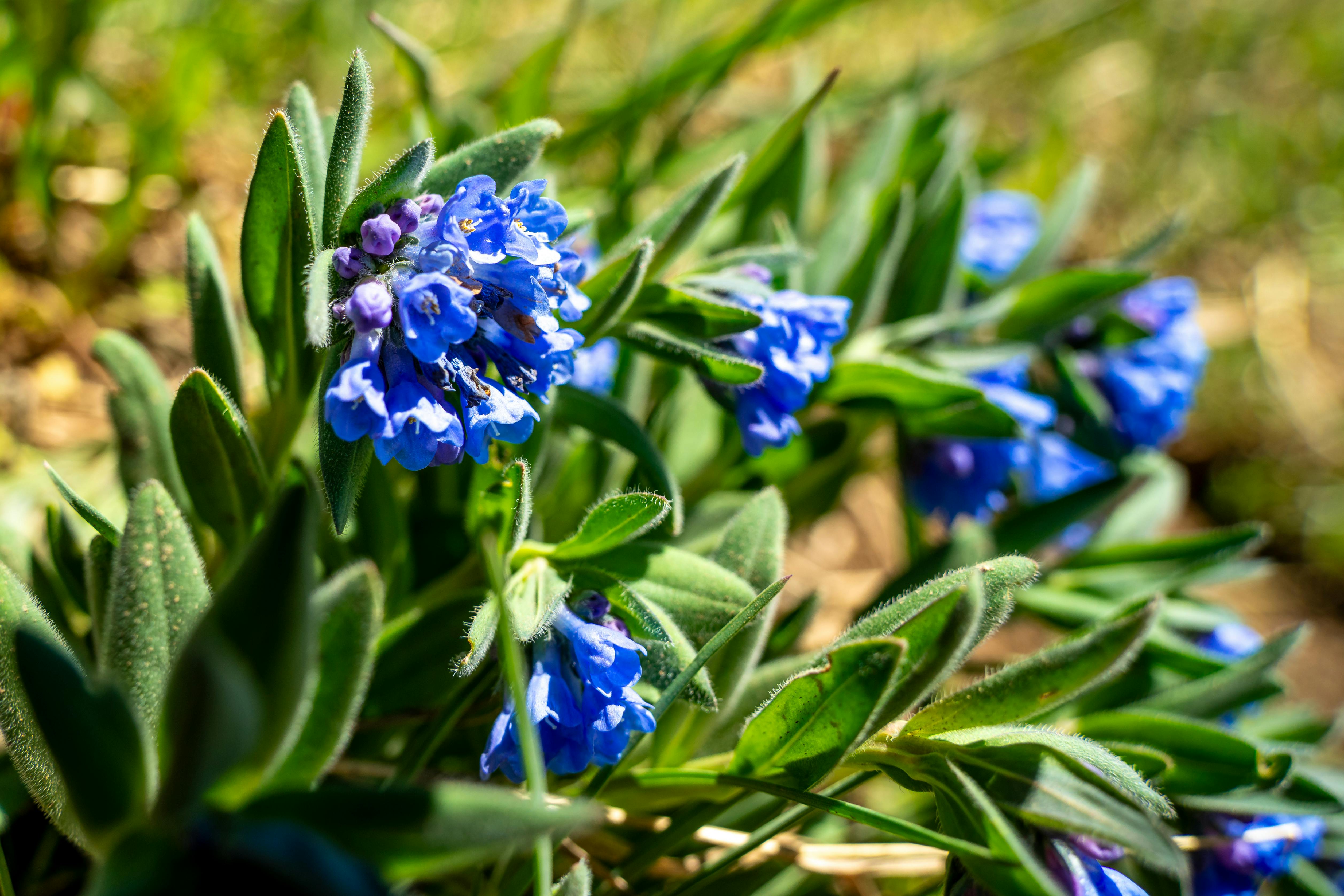
If you’ve ever walked through a forest in early spring and seen the ground transformed into a sea of shimmering violet-blue, you’ve experienced the magic of bluebells. These delicate, bell-shaped flowers bloom in clusters, nodding gently as if whispering secrets of the forest. Bluebells aren’t just beautiful — they’re also a symbol of hope and renewal, heralding the arrival of spring after the long, quiet winter.
Growing bluebells in your own garden lets you recreate that woodland charm, even in small spaces. Whether naturalized under a tree, lining a shady pathway, or filling a corner bed, bluebells reward patience with a breathtaking display that returns year after year.
🌸 Season & Blooming
Bluebells are spring bloomers, often appearing as early as March and continuing into May, depending on the climate. Their timing is perfect — they bloom just as trees are beginning to leaf out, taking advantage of the sunlight filtering through still-bare branches. After flowering, the foliage slowly yellows and dies back, allowing the plant to store energy in its bulbs for the next year’s display.
If you want to extend the season, you can plant bluebells in drifts so that they create a dense carpet over time. They naturalize easily, meaning they spread and multiply with little effort, creating an even more spectacular display each spring.
🌍 Soil & Planting
Bluebells prefer moist, well-draining soil rich in leaf mold or compost — just like a forest floor. If your garden soil is heavy, improve it by adding organic matter to lighten it up and enhance drainage. Plant the bulbs about 10 cm deep and a few inches apart in autumn so they can establish before winter sets in. Mixing CocoWing Talking Soil into the planting bed gives the bulbs a nutrient-rich, airy environment that mimics natural woodland soil, ensuring strong root development and more blooms.
☀️ Sunlight & Watering
Bluebells love dappled light, which makes them perfect for shady spots under deciduous trees or along north-facing walls. Too much direct, harsh sunlight can shorten their flowering season. Watering needs are moderate — keep the soil consistently moist during the growing and blooming season, but never soggy. Once the foliage starts to yellow, reduce watering, as this is the plant’s resting phase.
✂️ Maintenance & Propagation
Bluebells require very little maintenance once planted. The most important thing is to leave the foliage intact until it completely withers, as this allows the bulbs to recharge for the following year. Removing leaves too early will weaken next year’s display. Every few years, you can lift and divide overcrowded clumps in late summer or early autumn and replant them in new spots. This not only spreads the beauty but also rejuvenates the bulbs. Propagation through seed is also possible, though it takes several years for seedlings to mature and flower — patience is key.
🐛 Pests & Problems
Bluebells are generally hardy and resistant to most pests. Occasionally, slugs or snails may nibble on young foliage, but damage is usually minor. Good garden hygiene, like clearing decaying leaves and debris, prevents fungal issues. Healthy, nutrient-rich soil from Talking Soil keeps the plants resilient and reduces stress, which means fewer disease problems.
🌼 Benefits & Uses
Bluebells aren’t just gorgeous — they play an important ecological role. They provide an early source of nectar for bees, butterflies, and other pollinators when few other flowers are blooming. In landscaping, bluebells are ideal for creating naturalistic, woodland-style plantings, adding depth and seasonal interest to shady gardens. They pair beautifully with ferns, hostas, and other spring bloomers like primroses and snowdrops.
🌱 Talking Soil Tip
Before planting, mix CocoWing Talking Soil generously into the bed to create a humus-rich, airy layer that mimics the natural woodland environment. After flowering, lightly top-dress the area to feed the bulbs and encourage even better blooms next spring.