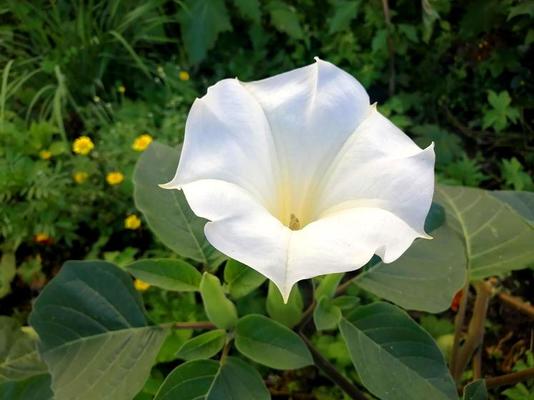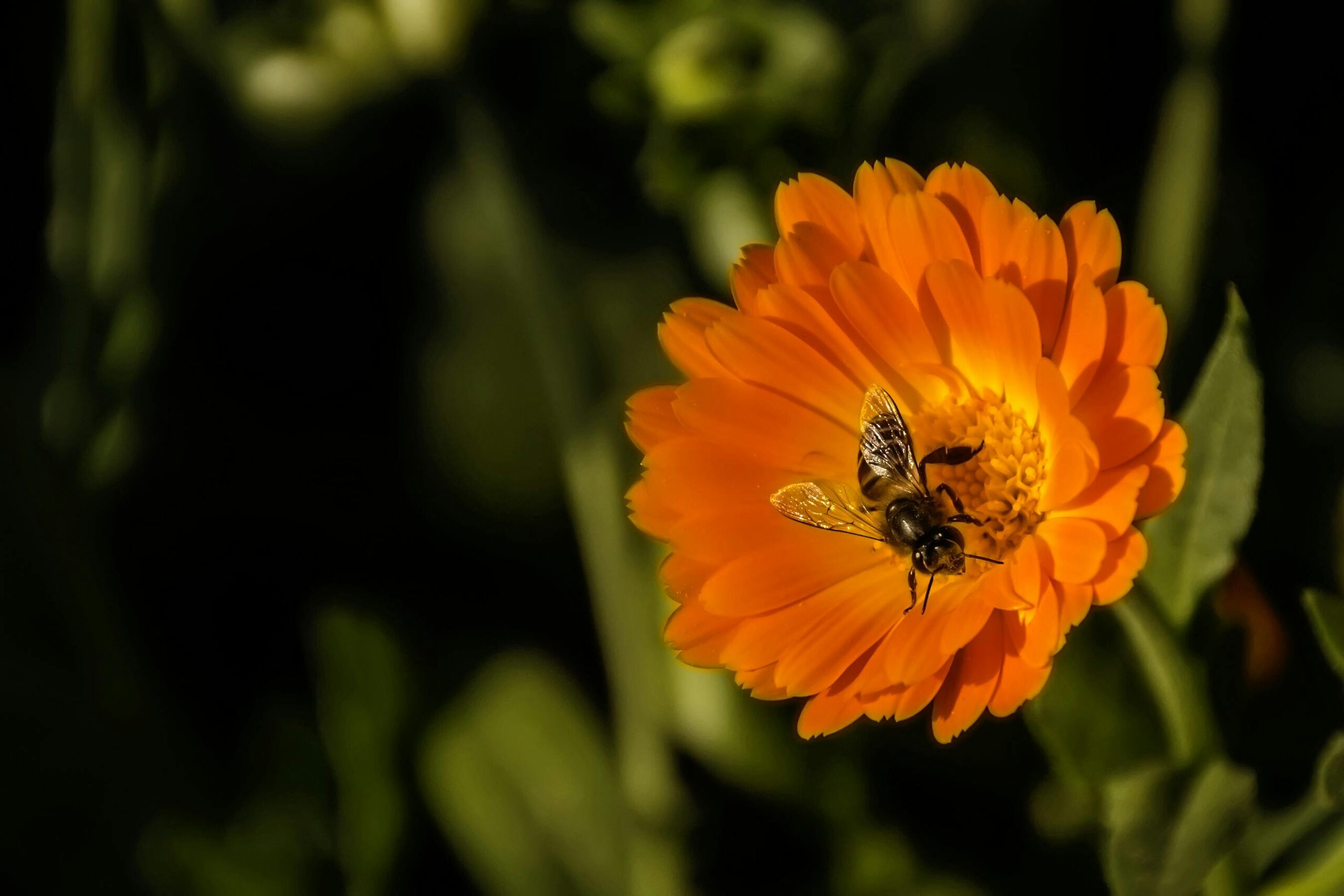

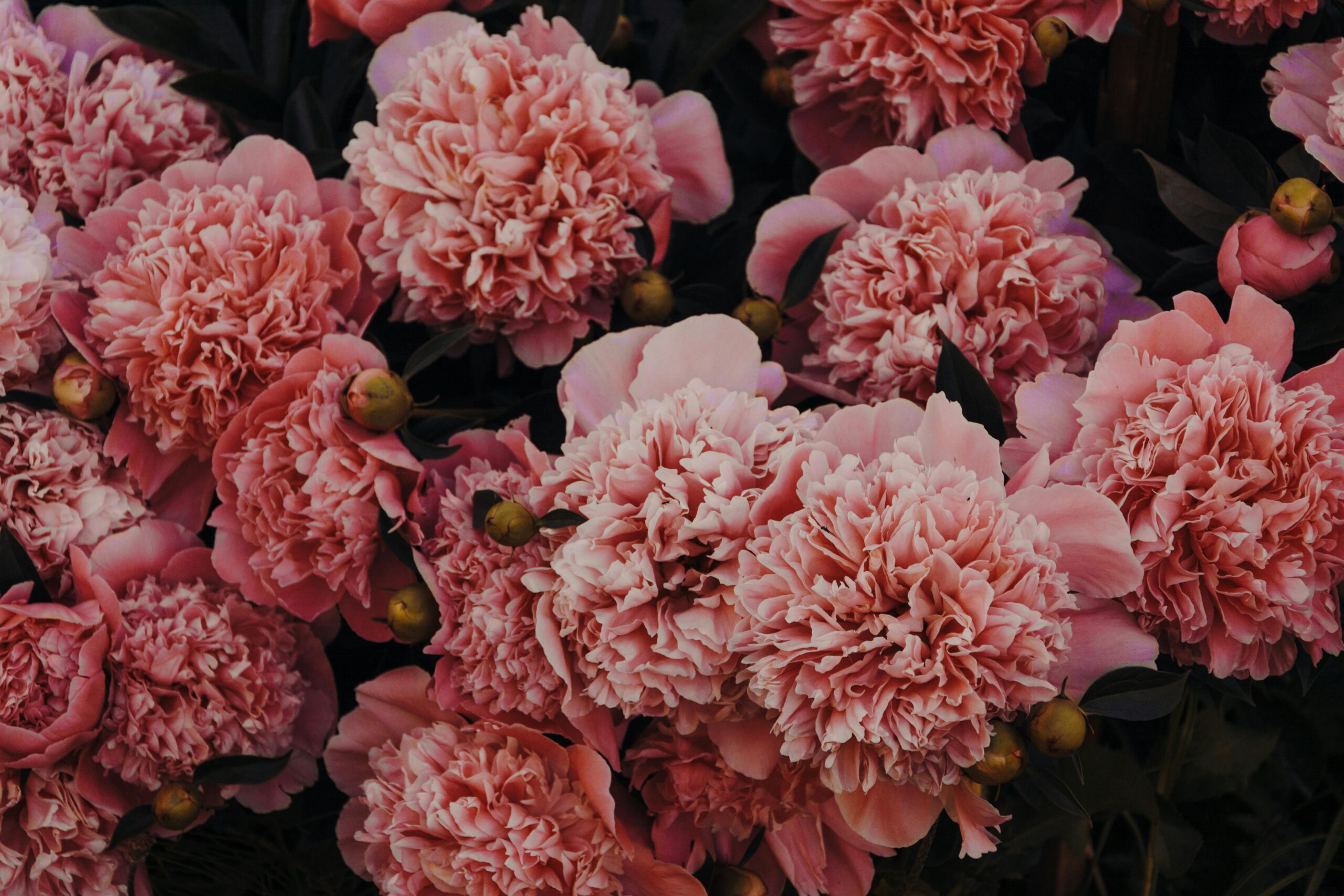
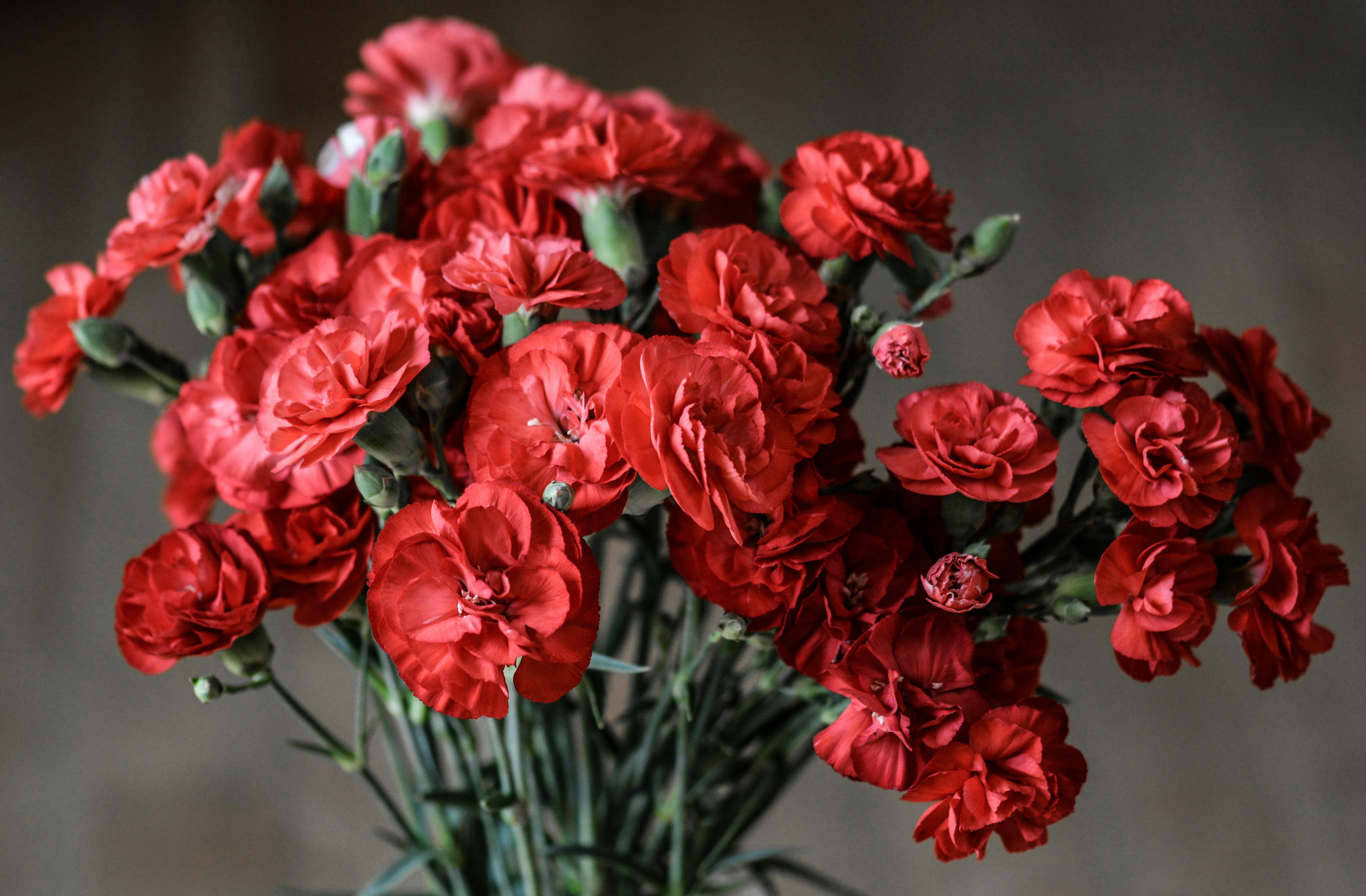
Carnations, also known as Dianthus caryophyllus, are among the most popular cut flowers in the world. Known for their ruffled petals, long vase life, and sweet fragrance, carnations come in shades of red, pink, white, yellow, and even bi-color.
Perfect for flower beds, borders, and bouquets, carnations reward you with continuous blooms for months if grown with the right care. Add CocoWing Talking Soil to your beds or pots to get stronger stems and more vibrant flowers.
🌸 Best Season for Carnations
- Sowing/Planting: September–October in most of India for winter–spring flowering
- Blooming: January to April (longer in cooler climates)
- Best grown in cool weather — avoid extreme summer heat.
🌳 Type of Plant
Carnations are short-lived perennials but are grown as annuals or biennials in warmer climates.
🌍 Soil Needs – Talking Soil Tip
Carnations prefer well-draining, fertile, slightly alkaline soil.
- Poor drainage causes root rot and weak stems.
Ideal Soil Mix:
- 40% garden loam
- 30% coarse sand (for drainage)
- 20% compost
- 10% CocoWing Talking Soil to improve fertility and boost bloom production
💡 Talking Soil promotes stronger stems, bigger blooms, and longer flowering seasons.
☀️ Light Requirements
Carnations need full sun for at least 5–6 hours daily.
- They tolerate light shade but produce fewer flowers.
💧 Watering
- Keep soil evenly moist, not soggy.
- Water deeply once or twice a week, depending on climate.
Watch for Signs:
- Underwatering: Wilting, smaller flowers.
- Overwatering: Yellow foliage, root rot.
💡 Water at the base to avoid fungal leaf spots.
🪴 Best Pots & Beds
- Grow in raised beds, borders, or terracotta pots (minimum 10–12 inches deep).
- Space plants 8–10 inches apart for good airflow and bushy growth.
🌿 Propagation
- Seeds: Start indoors 8–10 weeks before transplanting.
- Cuttings: Take 4–6 inch stem cuttings from healthy plants — root them in moist sand/soil.
✂️ Special Care & Maintenance
- Deadheading: Remove faded blooms to encourage continuous flowering.
- Pinching: Pinch young plants at 4–5 nodes to promote branching.
- Support: Tall varieties may need staking to prevent bending.
- Fertilizing: Apply balanced NPK (10:10:10) every 3–4 weeks.
🌼 Uses & Benefits
- Cut Flowers: Long vase life, perfect for gifting.
- Fragrance: Light, spicy scent that freshens up spaces.
- Symbolism: Represents love, admiration, and good luck.
- Pollinator-Friendly: Attracts bees and butterflies.
🐛 Pests & Diseases
- Aphids & Thrips: Control with neem oil spray.
- Fusarium Wilt & Rust: Avoid overwatering, rotate planting areas.
- Spider Mites: Spray with water or miticide in hot, dry conditions.
🌱 Talking Soil Final Tip
Top-dress with CocoWing Talking Soil once a month during flowering season to keep carnations blooming longer and healthier without chemical overload.