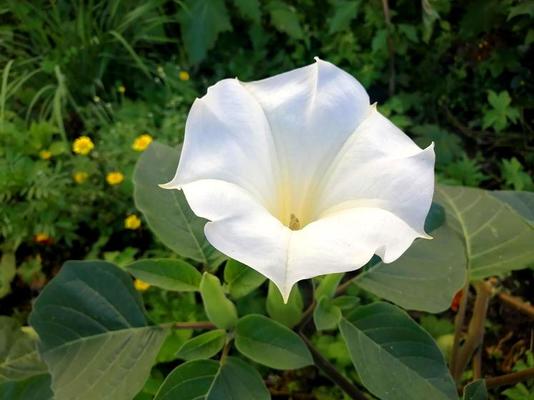

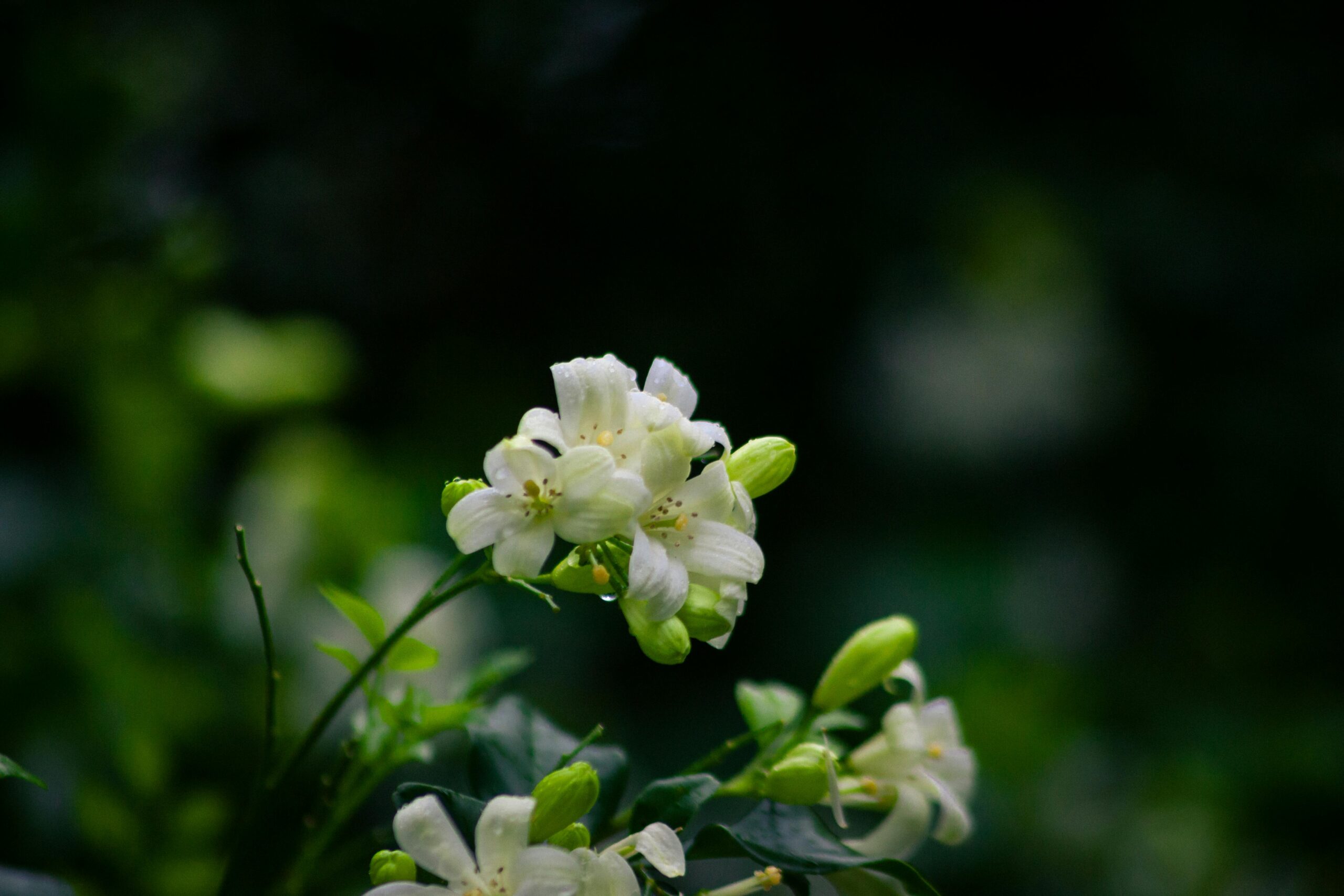
The Murraya plant, scientifically known as Murraya koenigii, is more than just a fragrant shrub—it’s a culinary and medicinal treasure. Widely referred to as the Curry Leaf Plant or Kamini, Murraya is native to the Indian subcontinent and is cultivated for its aromatic foliage, glossy green leaves, and delicate white flowers.
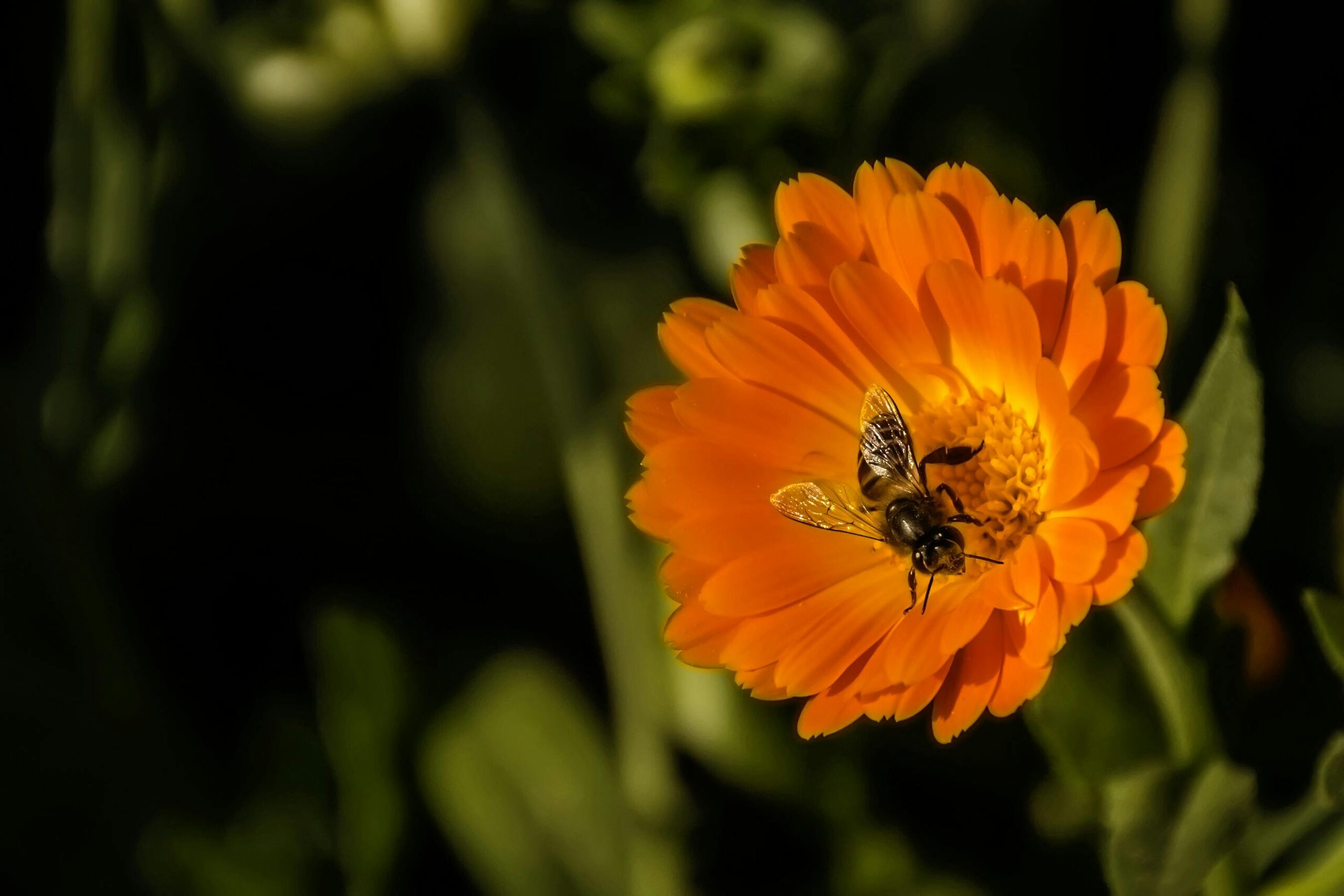
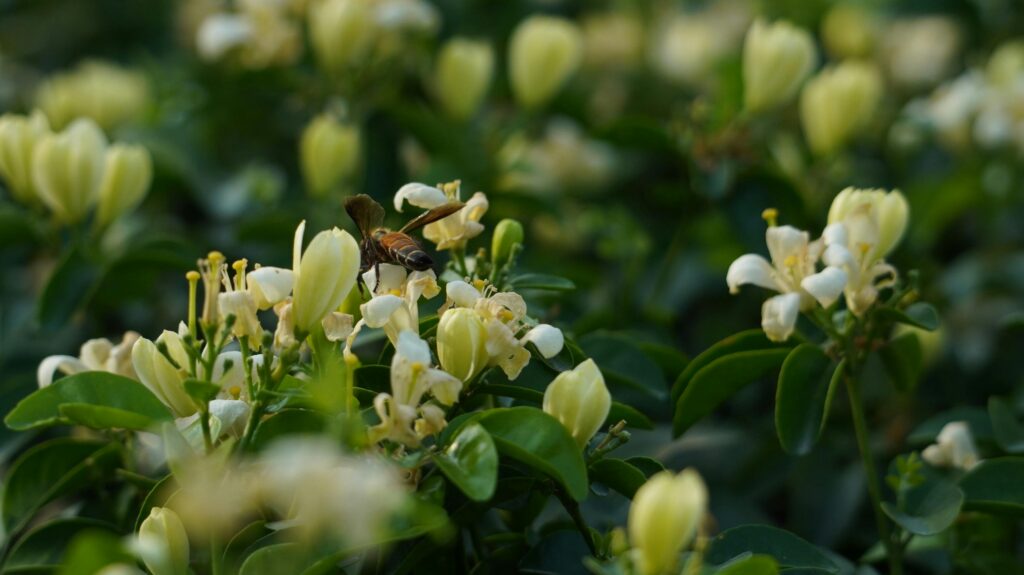
Its sweetly scented blooms attract bees and butterflies, making it an excellent pollinator-friendly addition to gardens. Beyond its ornamental value, Murraya leaves are an indispensable ingredient in Indian and Southeast Asian cooking, providing the unique flavor that defines many curries. Traditional medicine also recognizes the plant for its digestive, anti-inflammatory, and antioxidant properties, making it a versatile garden companion.
Season & Growth Habit
Murraya is a perennial, evergreen shrub that can grow 2–4 meters tall in ideal conditions.
- Blooming season: Produces clusters of small, fragrant white flowers primarily in spring and summer, though in tropical climates, flowering may continue intermittently throughout the year.
- Growth habit: Dense, bushy shrub with pinnate leaves. Can be shaped as a hedge, grown in containers, or allowed to grow naturally in a garden bed.
- Foliage: Glossy, dark green leaves that retain their aroma when crushed or cooked.
Murraya is highly adaptable and can thrive both in gardens and in large pots on terraces or balconies.
Soil Needs
Murraya prefers well-drained, fertile soils with a slightly acidic to neutral pH (6.0–7.0).
- Garden planting: Enrich planting beds with compost or organic manure to encourage vigorous growth and flowering.
- Containers: Use a mix of garden soil + cocopeat + compost + sand for optimal drainage and aeration.
- Talking Soil benefit: CocoWing Talking Soil enhances soil fertility naturally, promoting strong root systems and healthy aromatic leaves without the need for chemical fertilizers.
Proper soil preparation ensures robust flowering and flavorful foliage.
Sunlight & Watering
Murraya thrives in full sun but tolerates partial shade, particularly in hot climates where midday sun can be intense.
- Sunlight requirement: At least 4–6 hours of bright sunlight daily ensures healthy growth and optimal leaf aroma.
- Watering: Keep soil consistently moist during active growth, especially in summer. Overwatering can cause root rot, while under-watering may lead to leaf drop.
- Mulching: Organic mulch around the base helps retain moisture, regulate temperature, and suppress weeds.
Maintenance & Care
Murraya is generally low-maintenance but benefits from routine care:
- Pruning: Regular pruning keeps the shrub compact, encourages branching, and enhances flowering. Remove old, woody stems to promote new growth.
- Fertilization: Feed with CocoWing Talking Soil or organic compost every 4–6 weeks for sustained growth and aromatic leaves.
- Pest management: Regular inspection helps prevent infestations and maintain plant health.
Proper maintenance ensures year-round foliage harvest and a steady supply of blooms.
Propagation
Murraya can be propagated through multiple methods:
- Stem cuttings: Semi-hardwood cuttings root successfully in moist sandy soil.
- Air layering: Effective for producing larger, mature plants.
- Seeds: Although viable, germination can be slow, and seedlings take longer to produce usable leaves.
Propagation via cuttings is the most practical and reliable method for home gardeners.
Pests & Problems
Though hardy, Murraya may face:
- Aphids and mealybugs: Often on tender shoots. Neem oil sprays work well for control.
- Leaf miners: Cause curling or discoloration of leaves; pruning affected leaves can help.
- Root rot: Avoid waterlogged soil to prevent fungal infections.
Good soil drainage and adequate sunlight reduce most common problems.
Uses & Benefits
Murraya is prized for its multi-purpose value:
- Culinary use: Aromatic leaves used in curries, chutneys, and tempering.
- Ornamental value: Attractive foliage and fragrant white flowers make it ideal for garden beds, hedges, and potted displays.
- Medicinal properties: Traditional medicine uses leaves and extracts for digestive health, anti-inflammatory benefits, and antioxidant support.
- Pollinator friendly: Flowers attract bees, butterflies, and other beneficial insects, supporting biodiversity in your garden.
Talking Soil Tip
Using CocoWing Talking Soil ensures the plant receives natural, slow-release nutrition. Top-dress every month to maintain lush, aromatic foliage and encourage prolific flowering.