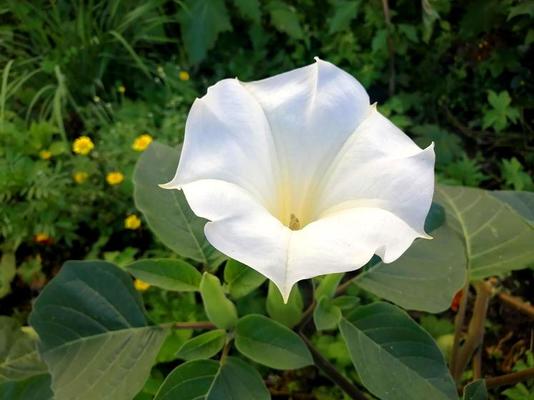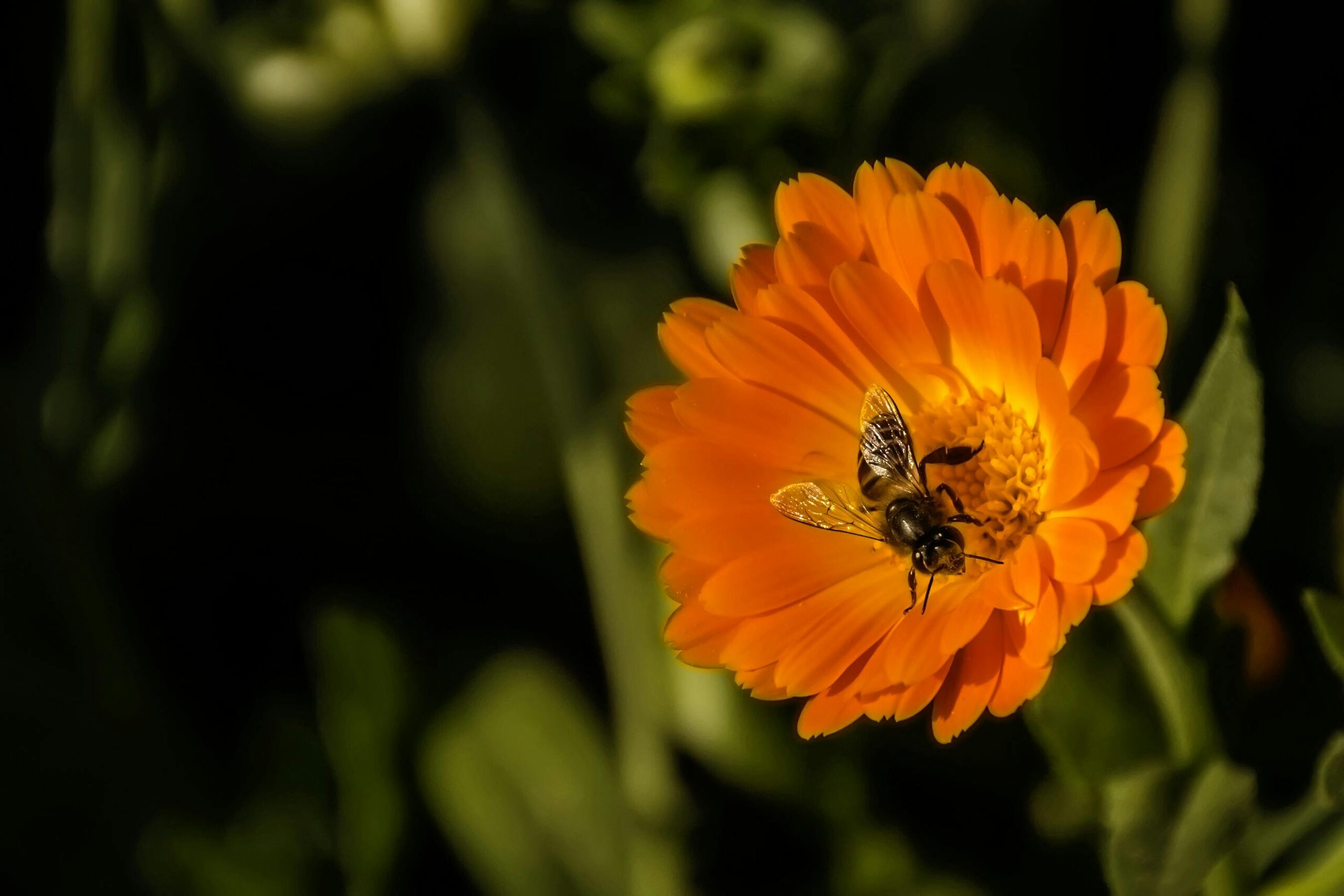

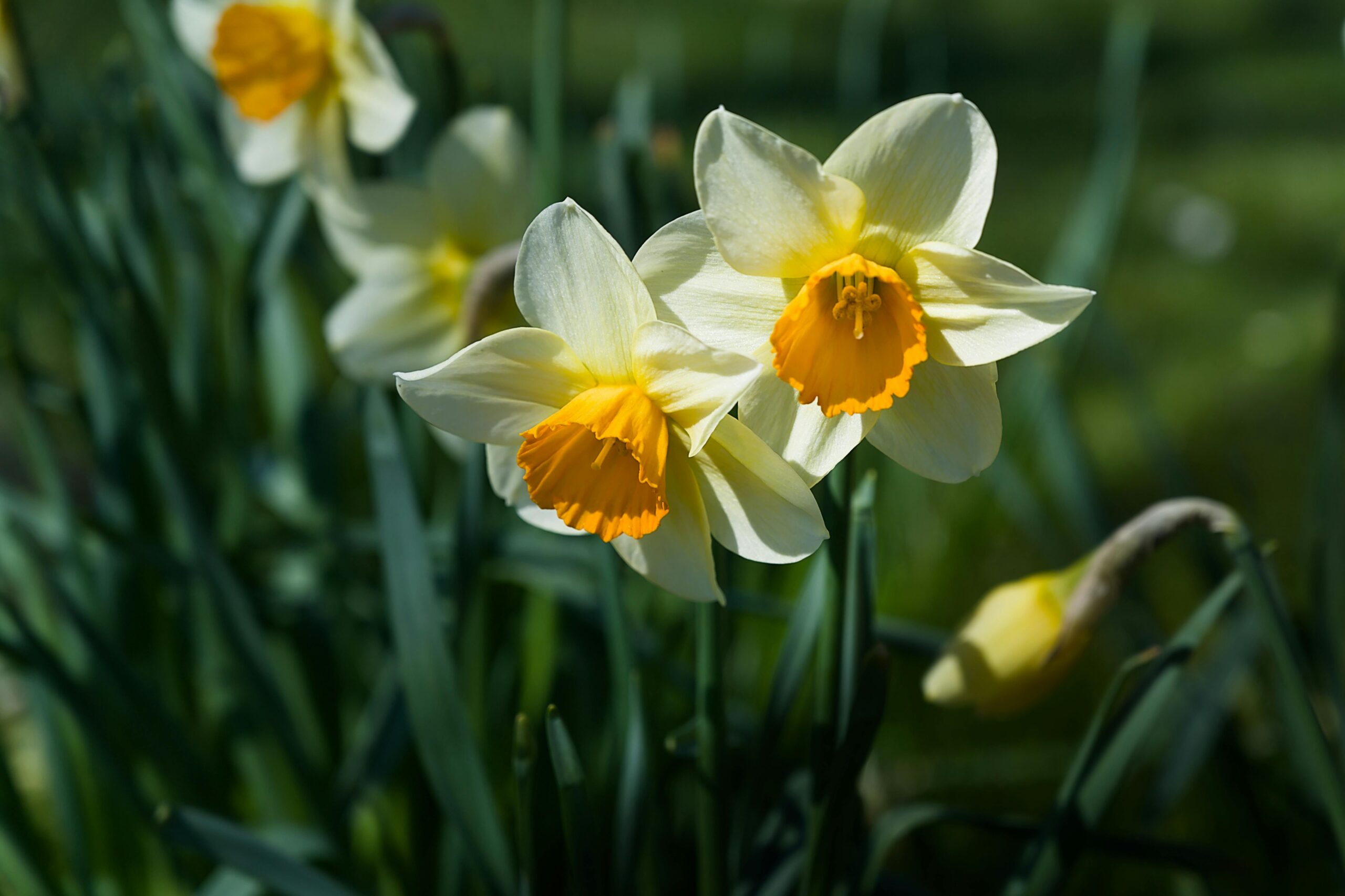
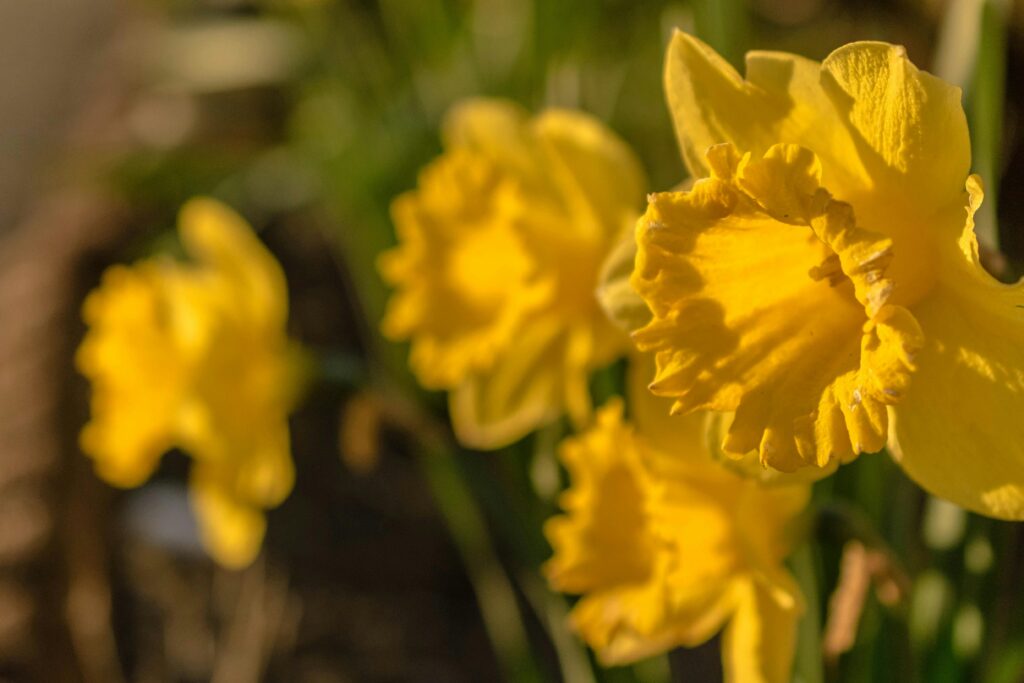
Few flowers carry as much legend and charm as the Narcissus. Belonging to the Amaryllidaceae family, this spring-blooming bulb is often recognized by its most famous species—the daffodil. With their cheerful trumpet-shaped flowers in shades of yellow, white, cream, and orange, Narcissus has long symbolized rebirth, hope, and the return of warmer days.
The name “Narcissus” comes from Greek mythology, referring to the tragic story of Narcissus, the youth who fell in love with his reflection. In contrast to the myth’s melancholy, the flower itself has become a symbol of new beginnings, widely associated with spring festivals and cultural traditions across the world.
Narcissus flowers not only enchant with their beauty but also have practical benefits—being deer- and rodent-resistant due to their alkaloid content, which makes them unpalatable to animals. Their adaptability, longevity, and low-maintenance nature make them favorites for gardeners who want vibrant early-season color.
Growth Habit & Season
Narcissus grows from bulbs and blooms in early to mid-spring, often among the first flowers to appear after winter. Depending on the species and climate, they can flower as early as late February or as late as April. Each bulb typically produces multiple narrow, strap-like green leaves and a central flower stalk.
The plant thrives in temperate climates where winters provide the necessary chilling period for bulb dormancy. Once established, Narcissus naturalizes easily, forming clusters that return year after year with minimal care. This ability to self-multiply makes them excellent for long-term planting in borders, lawns, and woodland gardens.
Soil Needs
Narcissus bulbs require well-draining, moderately fertile soil. Heavy clay soils tend to retain too much moisture, increasing the risk of bulb rot. To improve drainage, adding coarse sand, compost, or CocoWing Talking Soil ensures bulbs remain healthy and productive.
The ideal pH is slightly acidic to neutral (6.0–7.0). Gardeners should avoid fresh manure or overly nitrogen-rich amendments, as these encourage foliage growth at the expense of blooms. For container planting, a mix of sandy loam and organic compost works well.
Plant bulbs about 3 times as deep as their height (typically 10–15 cm deep) and space them about 7–10 cm apart to allow for natural clump expansion over the years.
Light & Watering
Narcissus thrives in full sun to partial shade. At least 4–6 hours of direct light daily ensures strong stems and vibrant blooms. In woodland settings, they flourish under deciduous trees, which provide filtered sunlight in early spring before leaves fully develop.
When it comes to watering, bulbs should be kept moist during active growth (spring) but never waterlogged. Once flowering ends and foliage begins to yellow, reduce watering to allow bulbs to dry out naturally and enter dormancy. Overwatering at this stage can lead to bulb rot.
Maintenance & Pruning
Narcissus is a low-maintenance flower but benefits from a few essential care practices:
- Deadheading: Remove spent blooms to prevent the plant from expending energy on seed production.
- Foliage Care: Allow leaves to die back naturally for 6–8 weeks after blooming. This ensures bulbs store enough energy for next year’s flowers. Cutting foliage too early weakens future blooms.
- Mulching: Apply a light mulch of compost or Talking Soil in autumn to protect bulbs and enrich the soil.
After several years, clumps may become overcrowded and produce fewer flowers. At this point, lifting and dividing bulbs during dormancy restores vigor.
Propagation
Narcissus is propagated mainly through bulb division. Every few years, when flowering declines, lift the bulbs after the foliage has died back, separate the smaller offsets, and replant them. Each offset bulb will grow into a flowering plant within 2–3 years.
They can also be grown from seeds, but this method is rarely used by home gardeners as it takes 5–6 years for seedlings to flower. Bulb propagation remains the most practical method for consistent blooms.
Pests & Diseases
Narcissus is naturally pest-resistant due to the presence of alkaloids. However, some problems may arise:
- Narcissus Bulb Fly: A common pest whose larvae damage bulbs. Use healthy, firm bulbs and rotate planting spots.
- Basal Rot: Fungal infection caused by poor drainage. Prevent by improving soil structure with organic amendments.
- Slugs & Snails: May nibble on young shoots but rarely cause significant harm.
Good drainage and spacing reduce most disease risks.
Uses & Benefits
- Ornamental Beauty: Perfect for borders, lawns, rock gardens, and naturalized drifts.
- Cut Flowers: Long-lasting blooms brighten indoor arrangements.
- Cultural Symbolism: Associated with hope, new beginnings, and good fortune, Narcissus is celebrated in spring festivals worldwide, including Chinese New Year.
- Wildlife Friendly: Attracts early pollinators like bees while resisting grazing animals.
In traditional medicine, certain Narcissus species were used historically for remedies, though they are toxic and should never be ingested without expert preparation.
Talking Soil Tip
Before planting bulbs, mix CocoWing Talking Soil into the bed to improve drainage and organic nutrition. A top-dressing in autumn helps bulbs recharge naturally for stronger spring blooms.