
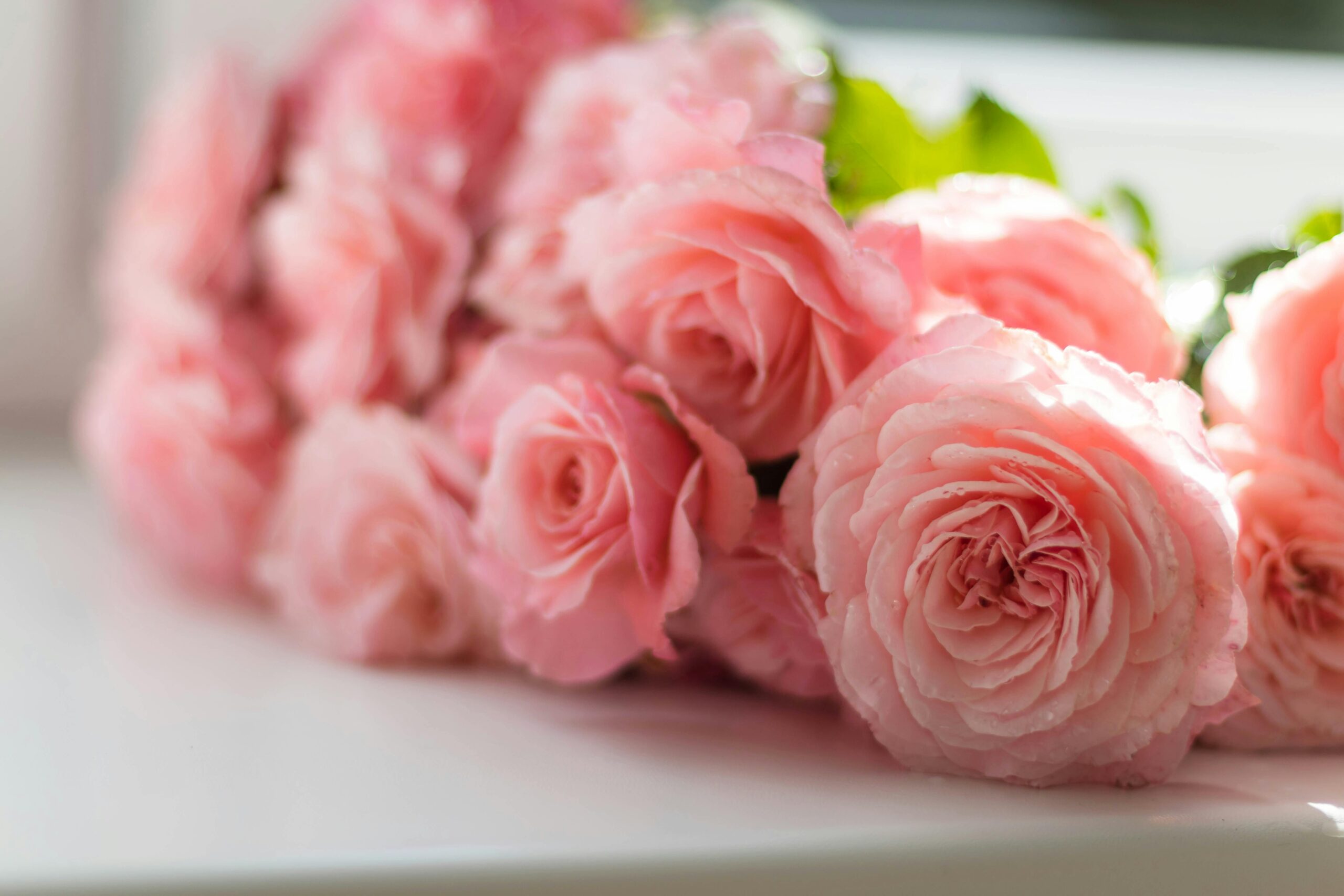
Peonies are perennial, herbaceous or woody shrubs admired for their luxurious, large, and fragrant flowers. Native to Europe, Asia, and North America, Peonies have long been celebrated in gardens, art, and floral arrangements for their regal appearance and rich symbolism, representing prosperity, romance, and honor.
Their lush, layered blooms appear in a wide spectrum of colors—from soft whites and pinks to deep reds and vibrant purples—making Peonies a focal point in any garden or bouquet. Beyond ornamental appeal, Peonies also attract bees, butterflies, and other pollinators, enhancing garden biodiversity.
Season & Growth Habit
Peonies are perennial shrubs or herbaceous perennials depending on the type.
- Blooming season: Typically late spring to early summer, though timing varies with species and climate. Each bloom lasts about 7–10 days, but staggered flowering extends visual impact.
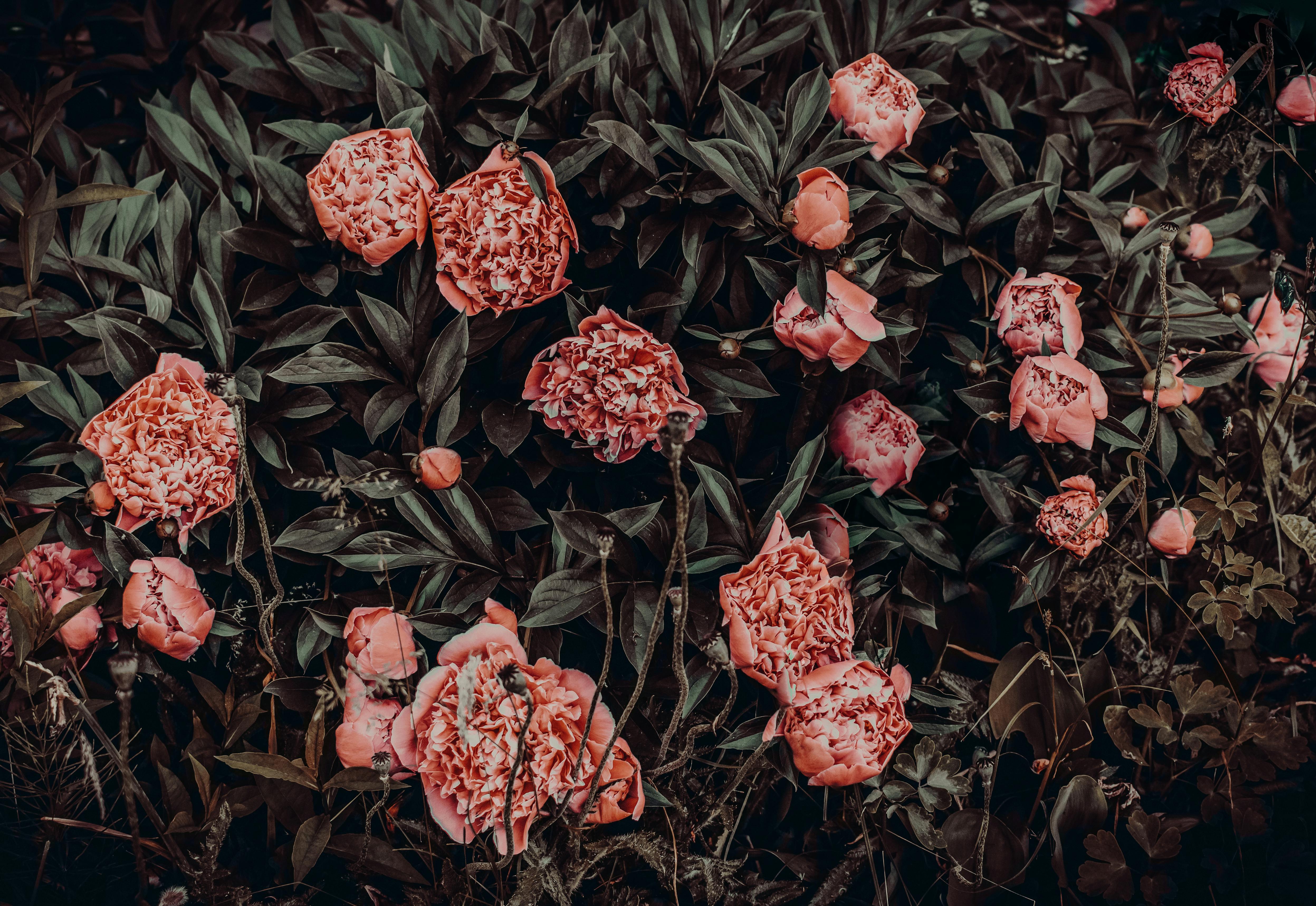
- Growth habit: Bushy, with deep green foliage and upright stems supporting large, fragrant flowers. Tree Peonies offer woody stems for multi-year displays, while herbaceous types die back in winter.
- Height: Ranges from 60–120 cm for herbaceous types, and up to 2 meters for tree Peonies.
Peonies are ideal for formal gardens, perennial borders, mixed beds, and cut flower production, providing a luxurious touch of elegance.
Soil Needs
Peonies thrive in well-draining, fertile soils enriched with organic matter.
- Soil type: Loamy, rich soil with compost or well-rotted manure. Avoid heavy clay that can suffocate roots.
- pH range: Slightly acidic to neutral (6.0–7.0).
- Talking Soil benefit: CocoWing Talking Soil supplies consistent nutrients, enhances root development, and promotes larger, long-lasting blooms.
Proper soil preparation ensures vigorous growth, strong stems, and abundant flowering.
Light & Watering
Peonies require full sun to partial shade for optimal growth and flowering:
- Sunlight requirement: At least 6 hours of direct sunlight daily for strong stems and maximum flower production. Partial shade may be tolerated in hotter climates.
- Watering: Keep soil evenly moist, particularly during budding and flowering. Avoid waterlogged soil to prevent root rot.
- Mulching: Apply organic mulch to retain soil moisture, reduce weeds, and protect roots during winter.
Maintenance & Care
Peonies require moderate care to flourish and maintain long-term health:
- Pruning: Herbaceous Peonies are cut back to the ground after the first frost. Tree Peonies benefit from selective pruning to maintain shape and remove dead wood.
- Fertilization: Apply CocoWing Talking Soil or organic fertilizers in early spring to support foliage and flower development.
- Support: Tall, heavy blooms may need staking to prevent stems from bending or breaking.
- Pest monitoring: Peonies are generally hardy but watch for aphids, thrips, and fungal diseases.
Consistent care ensures dense foliage, strong stems, and show-stopping blooms year after year.
Propagation
Peonies can be propagated via:
- Division: The most common method; divide dormant roots in fall or early spring.
- Seeds: Less common for home gardeners; may take 3–5 years to bloom and may not retain parent traits.
- Grafting: Used commercially for tree Peonies to maintain variety characteristics.
Division ensures faster flowering and preservation of the parent plant’s flower traits.
Pests & Problems
Although hardy, Peonies may face:
- Aphids & thrips: Affect young shoots and flower buds; controlled with neem oil or insecticidal sprays.
- Botrytis blight (gray mold): Causes buds and stems to rot; prevent with good air circulation and avoiding overhead watering.
- Powdery mildew: Occurs in humid conditions; regular pruning improves airflow.
Healthy soil, proper spacing, and CocoWing Talking Soil reduce most issues.
Uses & Benefits
- Ornamental: Adds elegance to perennial borders, formal gardens, and container displays.
- Cut flowers: Long-lasting blooms perfect for bouquets and floral arrangements.
- Pollinator-friendly: Attracts bees and butterflies during spring bloom.
- Cultural significance: Symbolizes romance, prosperity, and honor in various traditions.
- Landscape impact: Provides architectural interest with lush foliage and large blooms.
Talking Soil Tip
Mix CocoWing Talking Soil into the planting area or top-dress around the base monthly. This ensures healthy root development, larger flowers, and prolonged blooming without synthetic fertilizers.