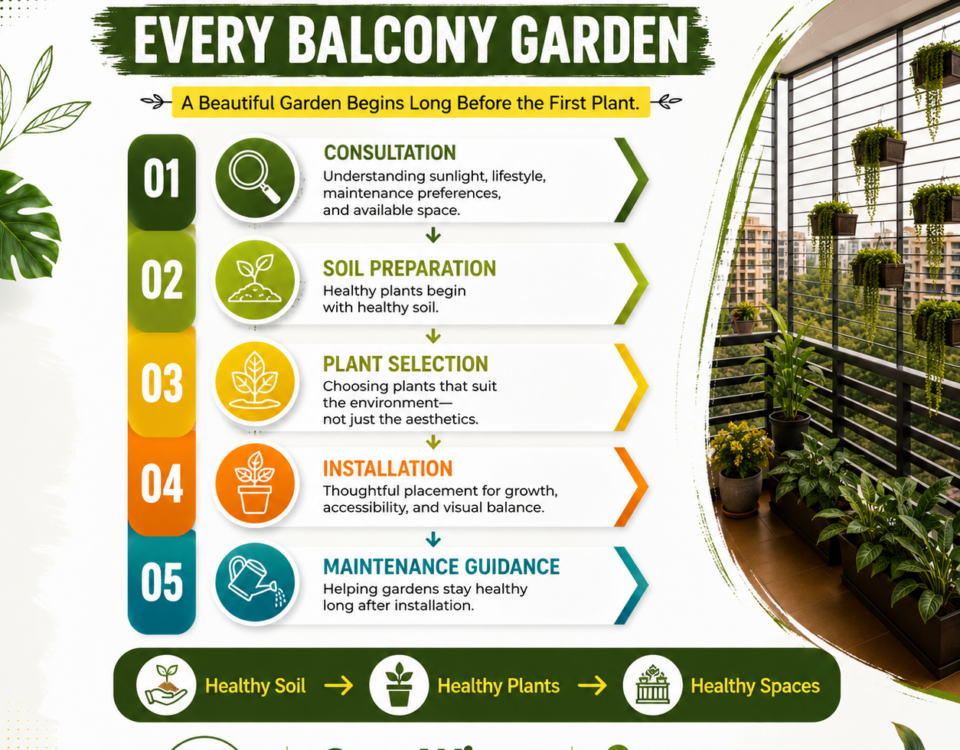

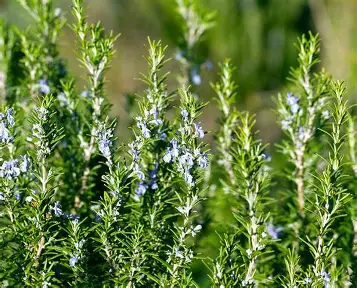
Rosemary is one of those plants that satisfies every sense — its needle-like foliage smells incredible, looks elegant, and adds flavor to countless dishes. Native to the Mediterranean, rosemary (Salvia rosmarinus, formerly Rosmarinus officinalis) is a woody, evergreen perennial that can be grown as a low hedge, a potted herb, or a companion plant in kitchen gardens.
Apart from its culinary uses, rosemary has a long history of medicinal and cultural significance, symbolizing remembrance and loyalty. It is also an excellent pollinator-friendly plant, attracting bees and beneficial insects. With the right care, rosemary becomes one of the easiest, most rewarding herbs to grow year-round.
🌸 Season & Growth Habit
Rosemary thrives in mild climates year-round, but its peak growth happens in the warmer months of spring and summer. Being evergreen, it provides color and fragrance even in winter when most other herbs die back. In colder regions, rosemary can be overwintered indoors or grown in containers that can be brought inside before frost.
This plant can grow into a dense shrub, reaching up to 3–4 feet in height if left unpruned. Dwarf and creeping varieties make excellent groundcovers, while upright types are perfect for hedges and large pots.
🌍 Soil & Planting
Rosemary prefers well-draining, sandy or loamy soil that replicates its native Mediterranean habitat. Heavy clay or compacted soil is a recipe for root rot. For garden beds, mix in coarse sand or perlite to improve drainage, and for pots, use a free-draining potting mix.
Adding CocoWing Talking Soil at planting helps boost soil health with natural organic matter, encouraging a strong root system. Because rosemary can live for many years, choose a sunny, well-ventilated spot where it won’t be shaded by taller plants as it matures.
☀️ Sunlight & Watering
Rosemary loves full sun — at least 6–8 hours a day. In low-light locations, it becomes leggy and less aromatic. Watering should be deep but infrequent; rosemary prefers to dry out slightly between waterings. Overwatering is the biggest reason rosemary fails — soggy soil leads to root rot very quickly.
A good rule: water only when the top 1–2 inches of soil are dry. In containers, check moisture frequently since pots dry out faster. In the rainy season, ensure the plant is in a well-drained spot or raise the pot slightly to prevent waterlogging.
✂️ Maintenance & Pruning
Regular pruning is key to keeping rosemary lush and productive. Lightly trim the tips every few weeks during the growing season to encourage bushier growth and prevent the plant from becoming woody. A more significant prune can be done after flowering to shape the plant and remove dead or crossing branches.
Propagation is easy — simply take semi-hardwood cuttings, dip them in rooting hormone, and plant them in moist, sandy soil. Within a few weeks, you’ll have new plants to share or expand your garden.
Feeding rosemary with CocoWing Talking Soil once every 6–8 weeks during active growth keeps the foliage green, fragrant, and nutrient-rich without overstimulating excessive, weak growth.
🐛 Pests & Problems
Rosemary is generally pest-resistant thanks to its aromatic oils, but it can occasionally attract spider mites or aphids if stressed. Good airflow around the plant and avoiding overwatering usually keep problems at bay. Powdery mildew can appear in humid conditions — pruning to improve airflow and watering at the base (never overhead) helps prevent it.
🌼 Benefits & Uses
Rosemary is one of the most versatile plants you can grow. Its aromatic leaves elevate soups, roasts, and breads, while its flowers provide nectar for bees and beneficial insects. It has natural insect-repelling properties, making it a good companion plant for vegetables like cabbage, beans, and carrots.
In wellness, rosemary tea is used for improving memory and digestion, while rosemary oil is a popular ingredient in haircare for stimulating growth. Beyond its practical uses, rosemary simply looks beautiful — whether spilling over terracotta pots, lining a sunny path, or framing a herb garden.
🌱 Talking Soil Tip
Apply a handful of CocoWing Talking Soil around the base of your rosemary every few months. This keeps the plant nourished without overwhelming it, supports strong roots, and enhances the natural flavor and aroma of the leaves.