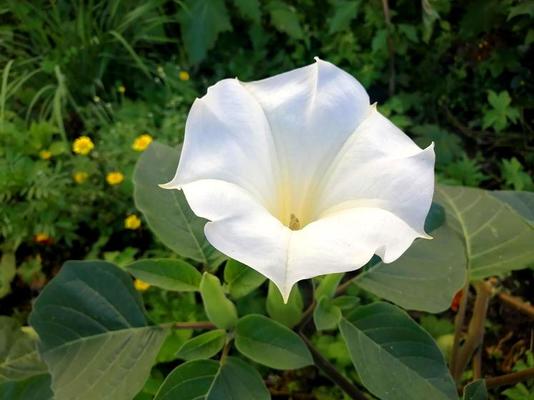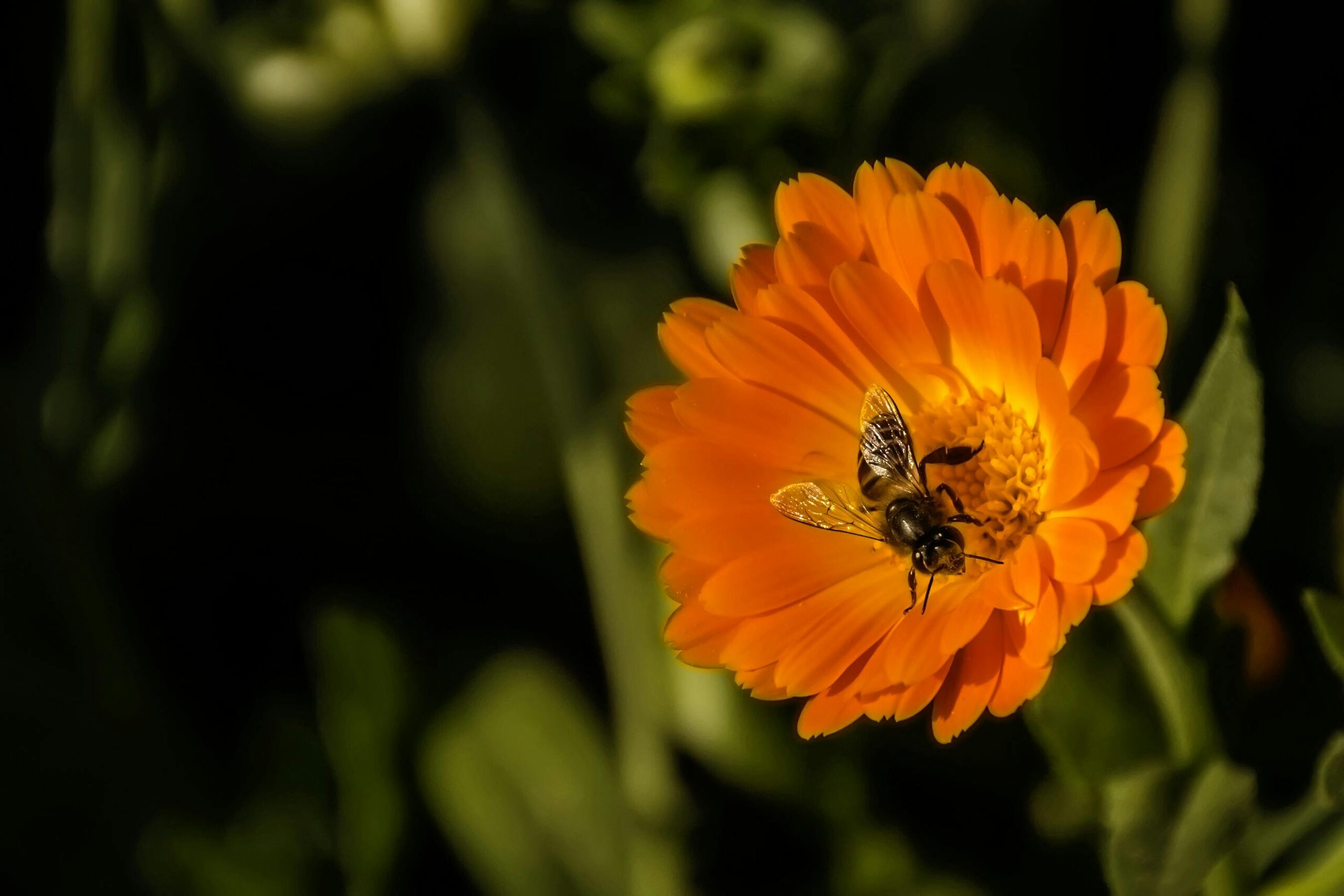

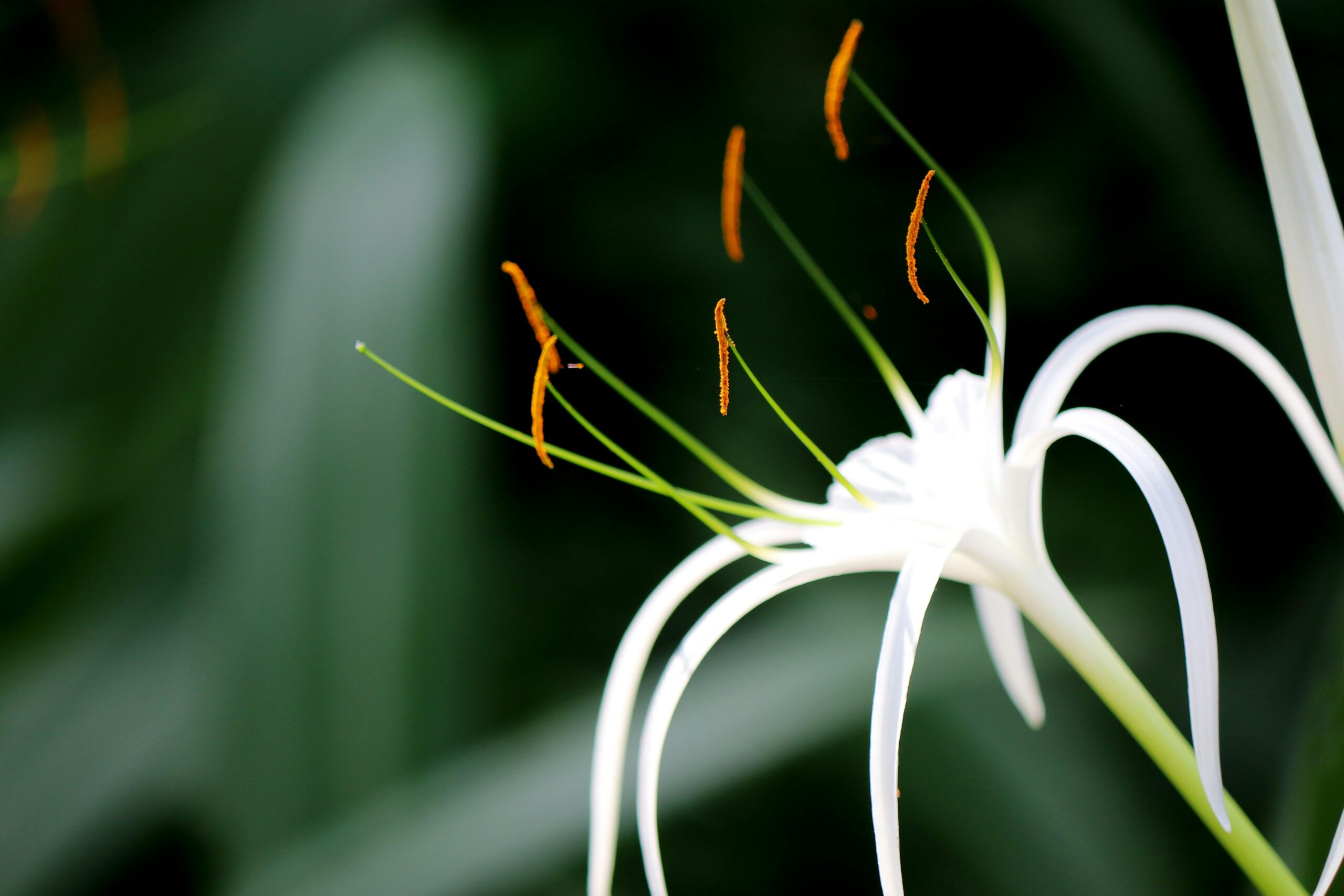
The Spider Lily, scientifically known as Hymenocallis spp., is a stunning bulbous perennial celebrated for its unique, spider-like white blooms and sweet fragrance. Native to tropical and subtropical regions of the Americas, these flowers have captured the imagination of gardeners worldwide.
Spider Lilies bloom predominantly at night, releasing a heady, sweet fragrance that attracts pollinators such as moths and bees. Their long, strap-like leaves and striking radial flowers give a tropical elegance to gardens, ponds, and walkways. Culturally, they are considered symbols of purity, beauty, and renewal, often planted near water features or in ceremonial gardens.
Beyond their beauty, Spider Lilies are low-maintenance, making them ideal for gardeners seeking dramatic visual impact with minimal effort.
Season & Growth Habit
Spider Lilies are perennial bulbous plants, often grown from bulbs or offsets.
- Blooming season: Typically blooms in summer and early autumn, though timing may vary with climate. Night-blooming varieties open in the evening and release fragrance through the night.
- Growth habit: Bulbs produce strappy green foliage, with each stem rising above the leaves and supporting clusters of unique, white, star-shaped flowers.
- Height: Usually grows 30–60 cm tall, with flower stalks gracefully arching above the foliage.
Their elegant appearance and fragrant blooms make them perfect for borders, garden beds, containers, and near water features.
Soil Needs
Spider Lilies thrive in moist, well-draining soil that is rich in organic matter.
- Soil type: Loamy or sandy soil with good drainage is ideal. Avoid waterlogged conditions, as bulbs are prone to rot.
- pH range: Neutral to slightly acidic (6.0–7.0).
- Talking Soil benefit: CocoWing Talking Soil enhances the soil’s organic content, ensures steady nutrient availability, and promotes healthy bulb development.
For container planting, a mix of garden soil, compost, and perlite creates the perfect medium to maintain moisture without stagnation.

Light & Watering
Spider Lilies prefer full sun to partial shade. Full sun encourages robust growth and more frequent flowering, while partial shade protects leaves in hotter climates.
- Watering: Keep the soil consistently moist during active growth, especially while flowering. Reduce watering once foliage dies back to allow bulbs to enter dormancy.
- Overwatering signs: Yellowing leaves and bulb rot.
- Mulching: Organic mulch helps retain moisture, moderate soil temperature, and prevent weed growth.
Maintenance & Care
Spider Lilies are relatively easy to maintain with a few key practices:
- Deadheading: Remove faded blooms to redirect energy into bulb development.
- Fertilization: Use CocoWing Talking Soil or organic fertilizers during the growing season for strong foliage and prolific blooms.
- Pruning: Trim dead or yellowing leaves to keep the plant tidy and prevent disease.
- Dormancy care: After flowering, allow leaves to naturally die back. Reduce watering during dormancy to prevent bulb rot.
Propagation
Spider Lilies can be propagated in several ways:
- Bulb division: Separate offsets from the parent bulb in dormant season for new plants.
- Seeds: Can be grown from seeds, but flowering may take 2–3 years.
- Offsets: Small bulbs produced naturally by mature plants can be replanted.
Division of bulbs is the fastest and most reliable propagation method for home gardeners.
Pests & Problems
Spider Lilies are relatively hardy but may face occasional issues:
- Aphids & mealybugs: Feed on young shoots; organic sprays are effective.
- Bulb rot: Caused by waterlogging or poor drainage. Plant bulbs in well-draining soil and avoid excessive watering.
- Leaf spot: Can occur in humid conditions; ensure proper spacing and airflow.
Regular monitoring and proper soil management prevent most problems.
Uses & Benefits
- Ornamental: Ideal for borders, container gardens, water-side plantings, and tropical landscapes.
- Fragrance: Night-blooming varieties release a sweet scent, enhancing garden ambiance.
- Pollinator-friendly: Attracts moths, bees, and butterflies, supporting local biodiversity.
- Cultural significance: Associated with purity, elegance, and spiritual renewal in various cultures.
Talking Soil Tip
Applying CocoWing Talking Soil around Spider Lily bulbs ensures steady nutrient release, maintains soil structure, and enhances flower size and fragrance. Reapply once every month during active growth for best results.