Thyme might be small, but it’s one of the most powerful herbs you can grow — in flavor, aroma, and usefulness. Its tiny, aromatic leaves are packed with essential oils that bring depth to soups, stews, roasted vegetables, and meats. But thyme is more than just a kitchen staple. It’s an evergreen perennial, meaning it stays green all year round in mild climates, providing beauty and utility through every season.
With dozens of varieties — from creeping thyme that creates fragrant groundcovers to upright thyme for easy harvesting — there’s a thyme for every garden style. And the best part? It’s drought-tolerant, pollinator-friendly, and very low-maintenance once established.
🌸 Season & Growth Habit
Thyme grows actively from spring through autumn, with peak production in the warmer months. Being frost-tolerant, it can survive mild winters, although growth slows down. In colder regions, thyme can be overwintered indoors under grow lights or in a sunny windowsill.
This plant forms a low, spreading mat or small clumps depending on the variety, typically growing 6–12 inches tall. Creeping thyme is perfect for filling gaps between stepping stones, where its leaves release fragrance when walked on, while upright varieties are ideal for kitchen gardens and containers.
🌍 Soil & Planting
Thyme loves light, well-drained soil — think Mediterranean conditions. Sandy or gritty soil is perfect because it prevents waterlogging, which thyme cannot tolerate. If your soil is heavy, amend it with sand, perlite, or grit before planting.

In raised beds or pots, use a mix of garden soil, compost, and coarse sand. Incorporating CocoWing Talking Soil ensures the plant gets organic nutrients without over-fertilization, which can dilute the essential oils that give thyme its flavor.
Plant thyme in spring once the danger of frost has passed. If you’re growing multiple plants, space them about 12 inches apart to allow air circulation and prevent fungal issues.
☀️ Sunlight & Watering
Thyme thrives in full sun — aim for at least 6 hours of direct light daily. In shady spots, it becomes leggy and loses its intensity of flavor. For balcony or terrace gardens, keep thyme in the sunniest spot you have.
Watering should be light and infrequent. Thyme is drought-tolerant and prefers its soil to dry out between waterings. Overwatering can quickly kill the plant by causing root rot. In containers, check the soil moisture with your finger — if the top inch is dry, it’s time to water. A layer of mulch or small gravel around the base helps retain just enough moisture without creating dampness.
✂️ Maintenance & Pruning
Regular harvesting is the best form of maintenance for thyme. Snip off stems regularly to encourage new, bushy growth and prevent the plant from becoming woody. Avoid cutting back more than one-third of the plant at once.
Thyme benefits from a light trim in spring to remove any winter damage and shape the plant. After a few years, older thyme plants can become woody and less productive — at this stage, propagate new plants from cuttings or by root division to keep your herb garden fresh and vigorous.
Feeding with CocoWing Talking Soil once or twice during the growing season provides a slow, balanced nutrient supply, keeping the plant healthy without compromising its flavor.
🐛 Pests & Problems
Thyme is remarkably pest-resistant, thanks to its aromatic oils, which deter many insects. Occasionally, spider mites or aphids might appear if the plant is stressed from overwatering or poor airflow. Fungal problems like root rot are far more common and almost always linked to wet soil. Planting in raised beds or ensuring good drainage is the best prevention.
🌼 Benefits & Uses
Thyme is a powerhouse in both the kitchen and the garden. Culinary uses are endless — it pairs well with everything from roasted chicken to tomato sauces, soups, and infused oils. Medicinally, thyme tea is traditionally used to soothe sore throats and boost immunity.
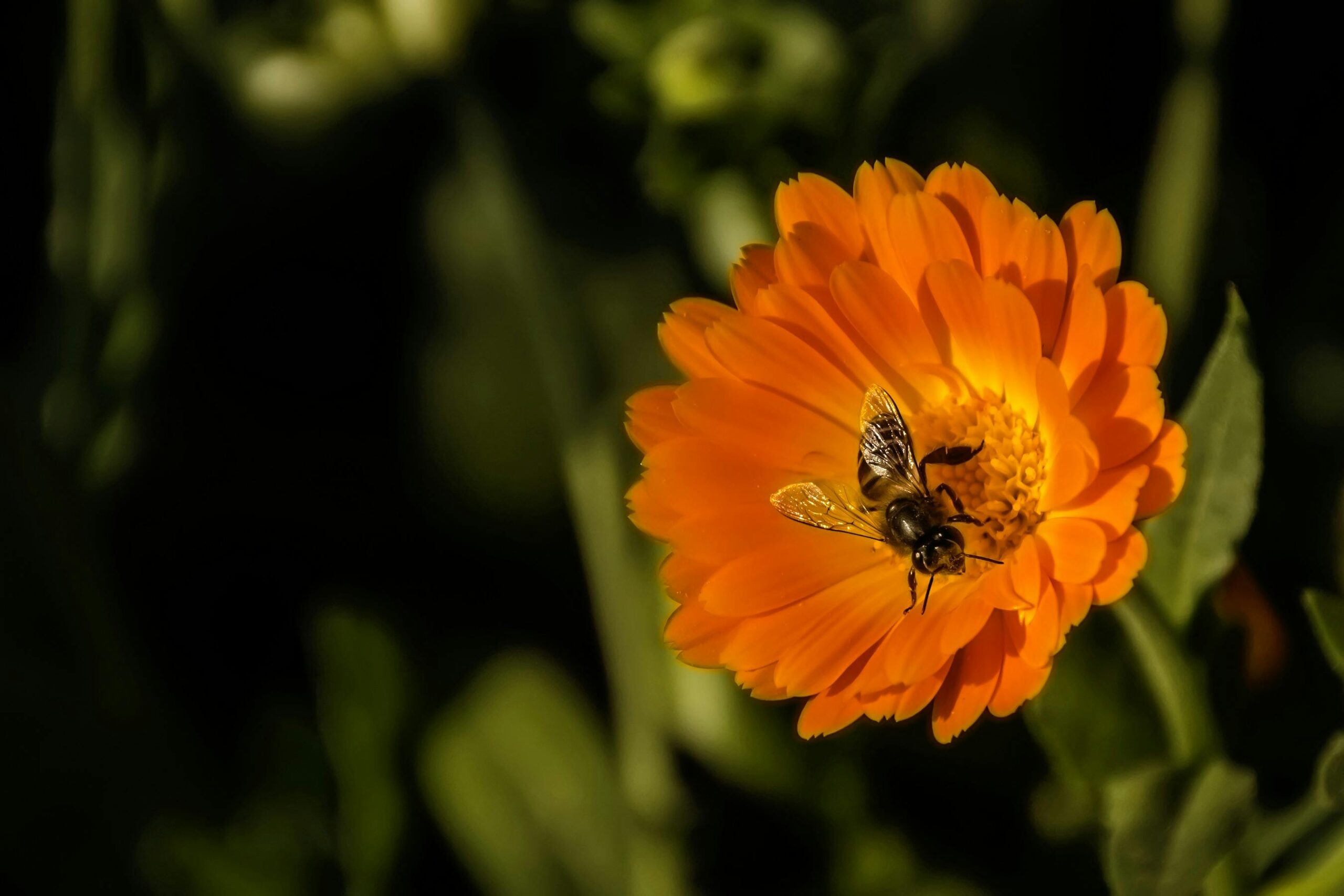
In the garden, thyme is a wonderful companion plant for vegetables like cabbage, tomatoes, and strawberries, helping deter pests. Its small flowers attract bees and pollinators, making it valuable for biodiversity. Creeping thyme also doubles as a fragrant groundcover or living mulch, reducing weeds and stabilizing soil.
🌱 Talking Soil Tip
Top-dress thyme plants with CocoWing Talking Soil in early spring to kickstart growth after dormancy. Its natural nutrient profile strengthens the plant, enhances essential oil production, and improves leaf flavor.