
Have you ever found a strip of expired tablets at home and wondered, “Can I use these for my plants instead of throwing them away?”
This is a surprisingly common gardening question. You may have seen tips recommending expired aspirin, vitamin tablets, calcium tablets or other medicines as homemade plant fertilisers..
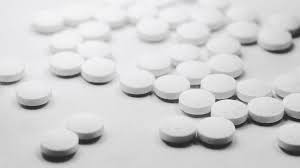
But there is an important distinction between a chemical having an effect on plants and a medicine being safe or useful to add to your garden soil.
So, can you use expired tablets for plants?
Generally, no. Expired medicines should not be treated as plant fertilisers or soil amendments.
Some pharmaceutical ingredients can interact with plants, soil organisms and water systems. Research has shown that pharmaceuticals can persist in soil and, in some cases, be taken up by plants. That makes experimenting with leftover medicines in garden soil an unnecessary risk.
Instead of using expired medicines to solve a plant problem, it is better to identify what your plant actually needs—such as nutrients, organic matter, better drainage, appropriate watering or healthier soil.
Can expired tablets help plants grow?
You may find online gardening advice suggesting that certain tablets can improve plant growth.
For example, aspirin contains a compound related to salicylic acid, and salicylic acid is involved in plant defence and stress responses. Scientific research has investigated salicylic acid in relation to plant growth, root development and plant responses to stress.
However, this does not mean that an expired aspirin tablet should be crushed and added to your potting soil.
The same applies to vitamin and calcium tablets.
A tablet formulated for human consumption is designed for the human body, not as a balanced plant nutrient. It may also contain active pharmaceutical ingredients, binders, coatings, sweeteners or other excipients that have no place in your garden.
What about aspirin for plants?
Aspirin is probably one of the most frequently discussed medicines in gardening.
The reason is that aspirin is chemically related to salicylic acid, a naturally occurring plant signalling compound.
But there is a big difference between controlled research using a specific concentration of salicylic acid and randomly dissolving an aspirin tablet in water.
The concentration, plant species, application method and growing conditions all matter.
So we wouldn’t recommend using leftover or expired aspirin as a routine plant treatment.
If your plant is struggling, diagnose the problem first rather than reaching for a medicine cabinet.
What about expired vitamin tablets?
Another popular gardening hack is crushing expired vitamin tablets and mixing them into soil.
It sounds logical: vitamins are good for people, so perhaps they should be good for plants too.
But plants do not have the same nutritional requirements as humans.
Plants primarily require essential mineral nutrients such as nitrogen, phosphorus, potassium, calcium, magnesium, sulphur and micronutrients in appropriate forms and quantities.
A human vitamin tablet is not a substitute for a plant fertiliser or healthy soil.
Adding random tablets can therefore provide little useful benefit while introducing unnecessary compounds into the growing environment.
What about calcium tablets for plants?
Calcium is an important plant nutrient. It contributes to cell wall structure and healthy plant growth.
But that doesn’t mean a calcium supplement designed for humans is automatically the right way to supply calcium to a plant.
Whether a plant actually needs additional calcium depends on the growing medium, pH, moisture, existing nutrient levels and the specific plant.
For example, problems such as blossom-end rot in tomatoes are not simply a matter of “add more calcium.” Water availability and root uptake also play important roles.
The better approach is to understand the soil and growing conditions before adding anything.
Why shouldn’t medicines be added to garden soil?
This is where the issue becomes bigger than just plant growth.
Pharmaceutical compounds are biologically active by design. When medicines enter the environment, they can move through wastewater, soil and water systems.
Research has documented the presence and movement of pharmaceutical compounds in soil-plant systems, including uptake by some plants.
Pharmaceuticals entering the environment can also affect ecosystems. Antibiotics and other active pharmaceutical ingredients are of particular concern because of their biological activity and potential environmental effects.
That means “it’s only one tablet” doesn’t make it a good soil amendment.
A healthy garden should ideally receive inputs that are intentionally designed for plants and soil—not leftover medicines intended for humans.
So what should you do with expired tablets?
Don’t put them in your plant pots, compost bin or garden soil.
Expired or unused medicines should be handled through appropriate medicine-disposal channels rather than repurposed as gardening inputs.
In India, the Central Drugs Standard Control Organisation (CDSCO) has published guidance on the safe disposal of expired and unused medicines, noting that improper disposal can pose risks to public health, animals and the environment.
Where available, a suitable medicine take-back or collection programme is preferable. Disposal requirements can vary depending on the type of medicine and local arrangements, so check with a pharmacist, healthcare provider or appropriate local authority for the correct route.
Don’t flush medicines or pour them down a drain unless an official disposal instruction specifically tells you to do so. Pharmaceuticals can enter water systems through inappropriate disposal.
Your plant probably needs something else
If you were considering an expired tablet because your plant is:
- Turning yellow
- Growing slowly
- Developing brown leaf edges
- Not flowering
- Dropping leaves
- Developing weak new growth
- Struggling after repotting
the tablet probably isn’t the answer.
Start with the basics:
Check the soil. Check the roots. Check the light. Check the watering. Check drainage.
Sometimes the problem is a nutrient deficiency. Sometimes it is overwatering. Sometimes the soil has become compacted or depleted of organic matter.
And sometimes the plant simply isn’t receiving the conditions it needs.
This is why soil health matters more than gardening hacks.
What can you use instead of expired tablets?
For routine plant care, use inputs specifically intended for plants and soil.
Depending on your garden, this may include:
- Mature compost
- Well-processed organic manure
- Plant-specific fertilisers
- Organic soil amendments
- Mulch
- Appropriate micronutrients where a deficiency has been identified
- Good-quality potting media
- Soil conditioners
The right choice depends on what your soil and plants actually need.
At CocoWing, we believe that healthy plants start with healthy soil. Instead of treating every plant problem with a quick fix, our soil-first approach looks at the growing environment and focuses on improving the conditions around the roots.
The simple answer
Can you use expired tablets for plants?
It’s better not to.
While individual pharmaceutical compounds such as salicylic acid can have scientifically studied effects on plants, that does not make expired human medicines suitable fertilisers or soil amendments.
So, the next time you find expired tablets in your medicine cabinet, don’t put them in your flower pot.
Dispose of the medicine responsibly—and give your plants something they actually need: healthy soil. 🌱
Frequently Asked Questions
Can I use expired aspirin for plants?
We don’t recommend using expired aspirin as a routine plant treatment. Although salicylic acid has documented roles in plant defence and growth, aspirin tablets are formulated as medicines for humans, not as garden products.
Can I put expired vitamin tablets in soil?
No. Human vitamin supplements should not be treated as plant fertilisers. Plants require specific nutrients in appropriate forms and quantities.
Can calcium tablets be used for plants?
Calcium is important for plants, but a human calcium supplement is not automatically an appropriate soil amendment. First determine whether the plant actually has a calcium-related problem.
Can medicines go into compost?
It is better to keep medicines out of compost. Compost is intended for biodegradable organic materials, while pharmaceutical ingredients can remain biologically active in the environment.
What should I do with expired medicines?
Use an appropriate medicine take-back or disposal route where available, and follow local guidance. In India, CDSCO has published guidance for the safe disposal of expired and unused medicines.
What should I use instead of expired tablets for plant growth?
Start by identifying the actual problem. Healthy soil, appropriate organic matter, correct watering, good drainage, adequate light and properly selected plant nutrients are much better foundations for plant health than household medicine hacks.
Healthy plants don’t need medicine-cabinet hacks. They need healthy soil. 🌱
Explore CocoWing’s soil-first approach to gardening and plant health.